
How To
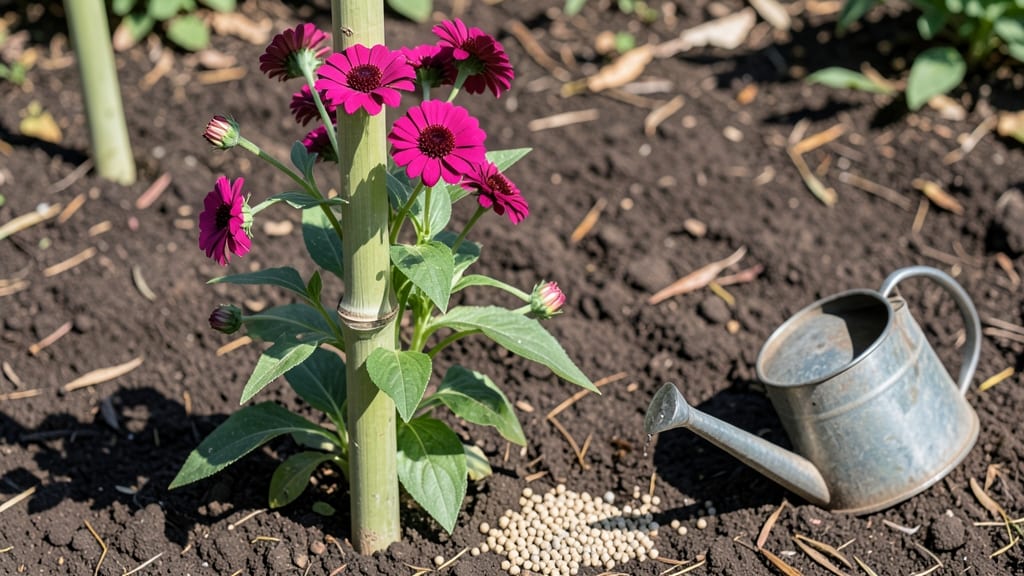
How to get zinnias to grow tall—it’s all about strong stems, not luck. 🌻 I’ve grown zinnias for years, and the difference between floppy stems and 5-foot giants comes down to sunlight, spacing, and a few key tricks most gardeners miss. Start with 6-8 hours of direct sun daily and space plants 12-18 inches apart—crowded zinnias stretch for light instead of thickening. Use well-draining soil rich in phosphorus (bone meal helps), and water at the base to avoid weak stems from leaf dampness. Prune leggy growth early, and add stakes or cages before blooms weigh them down.
Deadhead spent blooms religiously—this forces energy into stronger stems, not seeds. If zinnias flop, check for overwatering or nitrogen-heavy fertilizer (it promotes leaves, not stems). With these tweaks, you’ll get bold, sturdy blooms that stand tall all season.
📚 In This Guide
- What you need
- Instructions
- Tips and common mistakes
- Wrapping up and next steps
What you need
- ● Zinnia seeds – Choose tall varieties like 'Benary’s Giant' or 'State Fair' (1–2 packs for 10–20 plants).
- ● Well-draining potting mix – 5–10 gallons, enriched with compost (look for organic matter ≥30%).
- ● Containers or garden bed – Containers: 5–12" deep pots (1 plant per 6" diameter) with drainage holes.
- ● Garden bed: Full sun (6+ hours/day), loose soil with pH 6.0–7.0.
- ● Fertilizer – Balanced 10-10-10 or slow-release granules (1 tbsp per plant at planting).
- ● Watering can or hose with nozzle – Fine mist setting for seedlings.
- ● Stakes or cages – 2–3 ft tall bamboo stakes or tomato cages (1 per plant).
- ● Pruning shears – Sharp, clean pair for trimming.
- ● Gloves – Protect hands from thorns (zinnias can be prickly!).
- ● Plant ties – Soft Velcro or fabric strips to secure stakes.
- ● Epsom salt – 1 tbsp dissolved in gallon of water (monthly magnesium boost).
- ● Shade cloth – 30–50% coverage for seedlings (if temps exceed 90°F).
- ● Mulch – Straw or wood chips (1–2" layer to retain moisture).
- ● pH test kit – Ensure soil stays in 6.0–7.0 range.
Step-by-Step instructions for growing tall zinnias
Here’s how I’ve grown zinnias with 3-foot stems—no flopping, no weak branches, just sturdy stalks that hold blooms high.
🌱 Step 1: Start with Strong Seedlings
Zinnias need a head start to develop thick stems. I sow seeds indoors 6-8 weeks before the last frost in biodegradable pots (so I don’t disturb roots later). Use a light, well-draining seed-starting mix—zinnias hate soggy soil, which weakens stems from the ground up.
Plant seeds ¼ inch deep and keep the soil warm (70-75°F) for germination. Once sprouts appear, move them to a bright spot (grow lights if natural light is weak). Thin seedlings to one per pot—crowded plants compete for nutrients, leading to leggy, weak stems.
☀️ Step 2: Provide Proper Light and Airflow
Zinnias crave full sun (6+ hours daily), but too much heat without airflow causes stems to thin out. Place them in a spot with morning sun and afternoon shade if temperatures exceed 85°F. A small fan on low circulation strengthens stems by simulating wind, which thickens cell walls.
You’ll know your zinnias are getting enough light when leaves are dark green and compact (not stretched out). If stems start bending toward the light, rotate pots quarter-turn daily to keep growth even.
💧 Step 3: Water Deeply but Infrequently
Overwatering is the #1 enemy of tall zinnias—it causes stems to weaken and snap. Water deeply once a week (or when the top 2 inches of soil feel dry) rather than frequent shallow drinks. This encourages deep root growth, which supports taller stems.
Water at the base, not overhead, to prevent fungal diseases that rot stems. If you see leaves wilting in the afternoon, your zinnias need more frequent watering—but never let soil stay soggy. Mulch with 1-2 inches of straw to retain moisture without suffocating roots.
✂️ Step 4: Prune Strategically for Height
Pinch off the first set of true leaves when seedlings are 4-6 inches tall to encourage branching. Later, remove spent blooms (deadheading) to redirect energy into stem growth rather than seed production. But here’s the trick: never cut more than ⅓ of the plant at once—zinnias bounce back from light pruning.
If a stem starts top-heavy with blooms, support it with a small stake (3-4 inches tall) inserted gently beside the stem. Avoid tying too tightly—zinnias grow fast, and restrictive ties can girdle stems.
🌿 Step 5: Feed for Stem Strength
Zinnias are light feeders, but a balanced, water-soluble fertilizer (10-10-10) applied every 4-6 weeks boosts stem thickness. I mix it at half-strength to avoid burning roots. Too much nitrogen makes stems soft and prone to snapping—focus on phosphorus and potassium for structural support.
Stop fertilizing 6 weeks before the first frost—new growth won’t harden off properly, and stems may weaken in cold weather. Instead, let the plant focus on root development for next season.
Tips & tricks for perfect tall zinnias
Here's what nobody tells you about growing zinnias that reach for the sky—these are the secrets that turn floppy stems into sturdy, show-stopping blooms.
Soil Temperature Matters: The 70-75°F soil temperature range isn't just a suggestion—it's the sweet spot for germination and root development. I use a seedling heat mat for the first week after planting, then move pots to a warm windowsill. Cold soil slows root growth, which directly impacts stem strength. If your home runs cool, place pots on top of a refrigerator or in a sunny spot near a south-facing window.
Light Rotation Technique: That quarter-turn daily rotation in Step 2 isn't just about even growth—it's about preventing the classic "leggy" zinnia problem. I set a timer on my phone to remind me every morning. The key is consistency: if you rotate every other day instead, you'll end up with stems that lean in opposite directions. For indoor grow lights, rotate every 6 hours to mimic natural sunlight patterns.
Watering Wisdom: The "top 2 inches dry" rule is your best friend, but here's the trick: check soil moisture in the morning when temperatures are cooler. In hot afternoons, the top layer dries faster, making you think the plant needs water when it actually doesn't. I use a moisture meter for critical stages—it's worth the investment for these finicky stems. And never water from above after noon when sunlight intensifies fungal risks.
Fertilizer Timing: Those 4-6 week intervals for fertilizer aren't set in stone—adjust based on leaf color. Pale yellow leaves mean it's time to feed; deep green with purple stems means you've overdone it. I switch to a 5-10-10 formula in the final 6 weeks before frost to boost phosphorus for flowering, but only if the stems already show good thickness. The goal is strong roots, not just big blooms.
Pro Tips for Get Zinnias To Grow Tall
- Here's what nobody tells you about growing zinnias that reach for the sky—these are the secrets that turn floppy stems into sturdy, show-stopping blooms.
- Soil Temperature Matters: The 70-75°F soil temperature range isn't just a suggestion—it's the sweet spot for germination and root development.
- Light Rotation Technique: That quarter-turn daily rotation in Step 2 isn't just about even growth—it's about preventing the classic "leggy" zinnia problem.
Frequently asked questions
Got questions about growing tall, sturdy zinnias? You’re not alone! Here are some of the most common concerns—and their solutions—to help you cultivate those show-stopping blooms.
Why are my zinnias growing tall but flopping over?
Floppy stems usually mean your zinnias need support or better structure. Try staking them early (before they get top-heavy) or interplanting with taller, bushier flowers like cosmos or sunflowers. Prune lower leaves to improve airflow and reduce weight. Check out our staking tips for extra stability!
How long does it take for zinnias to reach their full height?
Most zinnia varieties take 6–8 weeks from seed to reach their mature height (typically 12–48 inches, depending on the type). For faster growth, start seeds indoors 4–6 weeks before your last frost or opt for transplants. Patience pays off—just keep them well-watered and fertilized!
Can I grow tall zinnias in containers? What’s the best pot size?
Tall zinnias thrive in 5-gallon containers or larger (at least 12–18 inches deep) with drainage holes. Use a lightweight potting mix and stake them early to prevent tipping. Varieties like ‘Benary’s Giant’ or ‘State Fair’ do well in pots—just rotate them occasionally for even sunlight exposure.
What pests or diseases should I watch for with tall zinnias?
Watch for aphids, spider mites, and Japanese beetles, which love zinnia foliage. Treat infestations with neem oil or insecticidal soap. For diseases, powdery mildew (from poor airflow) and bacterial wilt (spread by infected water) are common. Space plants 12–18 inches apart, water at the base, and remove affected leaves immediately.
Are there dwarf zinnia varieties that stay compact but still bloom big?
Yes! If you love zinnias but have limited space, try these shorter but showy varieties: ‘Crystal’ (12–18 inches), ‘Thumbelina’ (6–12 inches), or ‘Profusion’ (12–18 inches). They’re perfect for borders, containers, or cutting gardens—just deadhead regularly to encourage more blooms!
Wrapping up and next steps
Growing tall, sturdy zinnias is all about the right mix of support, care, and patience—and you’ve got the tools to make it happen! 🌱 From choosing the perfect varieties to mastering pruning and staking techniques, every step brings you closer to those show-stopping blooms.
Don’t let a few setbacks discourage you; even the most experienced gardeners face challenges. Instead, celebrate the progress and adjust as you go!
Now that you’re armed with these tips, it’s time to roll up your sleeves and put your knowledge into action. Grab your gardening gloves, head outdoors, and watch your zinnias reach for the sky—one happy plant at a time! 🌟