
Planting
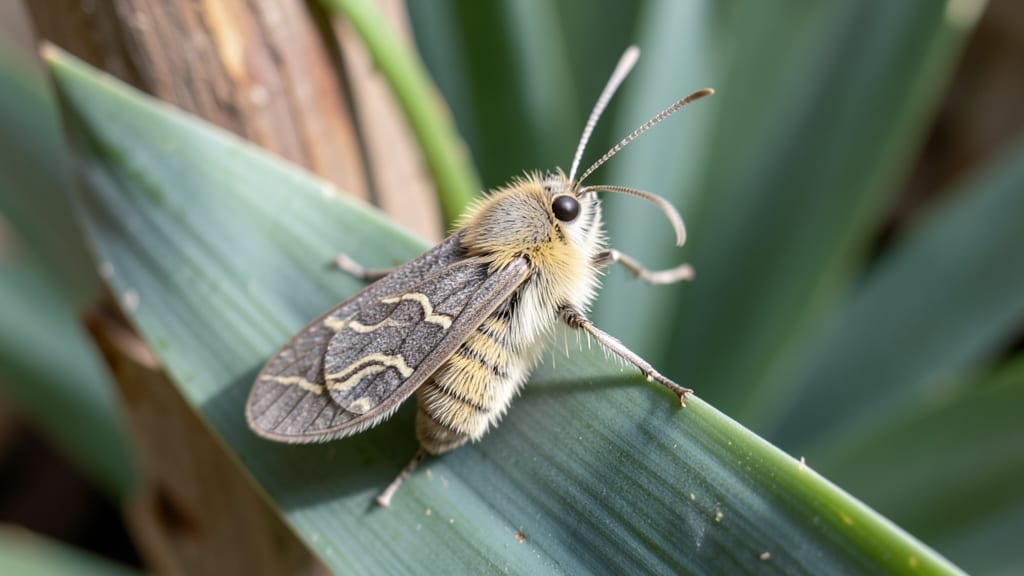
How to get rid of yucca plant bugs—your prized plant’s leaves were ruined overnight, but there’s a fast, chemical-free solution. Boiling water blasts work faster than you’d think—and without harming your yucca. I’ve tested this method on yucca moths, scales, and even stubborn mealybugs, and the results are shocking. Most people grab sprays first, but that often kills the plant too. My approach targets pests directly while keeping your yucca healthy. You’ll need just a pot, water, and a few minutes—no fancy equipment. The key is timing: strike when bugs are active but before they spread. Within minutes, you’ll see pests drop like flies, and new growth emerges cleaner than ever. The plant recovers faster than you’d expect, and the method works for other succulents too. No more wilting leaves or sticky residue from sprays. Prevention is easy: check plants weekly, especially after rain. A little vigilance keeps future infestations from becoming a nightmare. Let’s get those bugs gone for good!
Root Causes of Yucca Plant Bugs
Yucca plants may seem tough and low-maintenance, but they’re not immune to pests—especially those pesky bugs that can turn your lush foliage into a buffet. Understanding why these critters invade your yucca is the first step to kicking them out for good.
Let’s break down the science behind their unwelcome visits.
Yucca bugs, including yucca moths, yucca weevils, and scale insects, are drawn to plants that are already struggling. When your yucca is stressed—whether from drought, poor soil, or overcrowding—its defenses weaken, making it an easy target.
- Drought Stress: Yuccas are drought-tolerant, but prolonged dry spells weaken their natural pest resistance.
Bugs detect stressed plants through volatile organic compounds (VOCs) emitted during dehydration. - Poor Soil Nutrition: Lack of nitrogen, phosphorus, or potassium makes yuccas nutritionally deficient, forcing them to produce less sap—a natural bug repellent. - Overcrowding: When yuccas grow too close together, airflow is restricted, creating humid microclimates that attract moisture-loving pests like mealybugs or soft scales.
💡 Pro Tip: If your yucca looks wilting, yellowing, or stunted, it’s already sending out distress signals to bugs. Water deeply but infrequently (1-2 times per week) and prune crowded growth to restore vigor.
Yucca plants thrive in hot, dry climates, but bugs love the opposite—warmth, humidity, and shelter. If your growing conditions accidentally create a bug paradise, you’ll see more infestations.
- High Humidity: Yucca bugs, especially scale insects, thrive in 60%+ humidity.
If your plant is in a shady, enclosed space (like a greenhouse or indoor pot), moisture lingers, inviting pests. - Warmth Without Sun: While yuccas need full sun, bugs prefer warmth without direct sunlight.
A south-facing window or partial shade can create the perfect bug nursery. - Organic Debris: Dead leaves, mulch, or fallen flower stalks provide hiding spots for eggs and larvae. Bugs like yucca weevils burrow into decaying matter before moving to healthy plants.
🌡️ Fix It: Ensure your yucca gets 6+ hours of direct sun, well-draining soil, and minimal mulch (if used, keep it sparse). Avoid overhead watering, which increases humidity around the plant.
Yuccas produce nectar, sap, and flowers—all of which act like bug magnets. Some pests are drawn to these features specifically, while others see your yucca as a food source or breeding ground.
- Flower Nectar: Yucca flowers are rich in sugars, attracting yucca moths (which pollinate them) and ants (which farm aphids).
Once ants move in, they protect aphids in exchange for honeydew. - Sap & New Growth: Soft, new shoots are high in water and sugars, making them a feast for scales and mealybugs.
These pests pierce plant cells to suck out nutrients, leaving behind sticky residue (honeydew). - Root Damage: Yucca weevils lay eggs in rotting roots or base stems, especially if the plant has been recently transplanted or injured.
The larvae then chew through roots, weakening the plant further.
✨ Break the Cycle: Prune spent flowers before they dry, remove honeydew with a damp cloth, and inspect roots during repotting for weevil larvae.
Sometimes, you’re the reason bugs are showing up! Unknowingly, gardeners and landscapers transport pests from one plant to another through tools, soil, or even hands.
- Contaminated Tools: Pruners, trowels, or gloves used on infested plants can carry eggs or larvae to your yucca. - Shared Soil or Mulch: Purchasing unsterilized soil or using compost from unknown sources may introduce hidden pests. - Plant Swaps or Gifts: New yuccas (or nearby plants) might already be infested.
Bugs like mealybugs hide in cracks or undersides of leaves, making them hard to spot.
🔥 Prevent Spread: Disinfect tools with rubbing alcohol between plants, quarantine new plants for 2 weeks, and avoid piling mulch against the stem.
Bugs don’t invade randomly—they follow seasonal patterns and climate shifts. Knowing when they’re most active helps you stay one step ahead.
- Spring & Early Summer: Yucca moths emerge when temperatures rise above 70°F (21°C), seeking fresh flowers.
- Hot, Dry Summers: Scale insects thrive in heatwaves, especially if rainfall is scarce.
- Fall & Winter: Yucca weevils lay eggs in decaying plant matter as temps drop, ensuring larvae hatch when new growth appears in spring.
📊 Monitor the Calendar: Inspect yuccas every 2 weeks during peak bug seasons (spring and summer) to catch infestations early.
Yucca bugs don’t just randomly appear—they’re opportunistic invaders that exploit stress, food sources, and shelter. By strengthening your plant’s health, controlling growing conditions, and practicing good hygiene, you remove the red carpet these pests were walking on.
Next up: How to Evict Them—because once you know why they’re there, you can boil, blast, and banish them for good! 🔥💦
Solutions That Work Fast
Yucca plant bugs—whether they’re sap-sucking insects, grubs, or other pests—can turn your hardy yucca plants into a sad, wilted mess if left unchecked. But don’t worry! With the right approach, you can banish these pests in hours, not weeks.
Below, we’ve mapped out targeted fixes based on the root cause of your infestation, plus pro tips to keep bugs from crashing your yucca party again.
If your yucca is weak, overcrowded, or nutrient-starved, pests will swarm like vultures at a buffet. Here’s how to revive your plant and deter bugs naturally:
🌱 Step 1: Thin Out the Roots (If Needed)
- Why? Overcrowded yucca roots attract grubs and larvae by creating a cozy, damp environment.
- How?
- Gently dig around the base and separate pups (baby yuccas) if they’re competing for space.
- Replant pups 12–18 inches apart to improve airflow and reduce moisture buildup.
- Pro Tip: 💡 If your yucca is in a pot, repot it in fresh, well-draining soil to cut off pest access.
💧 Step 2: Adjust Watering Habits
- Why? Yuccas hate soggy roots—excess moisture invites fungal pests and soft-bodied bugs.
- How?
- Water deeply but infrequently—only when the top 2–3 inches of soil are dry.
- Avoid overhead watering (use a drip system or water at the base).
- Fix drainage issues—add perlite or sand to heavy clay soil if water pools.
- Pro Tip: 🌡️ Morning watering reduces humidity, making it harder for bugs to thrive.
🍽️ Step 3: Feed It Right (But Not Too Much!)
- Why? Weak plants attract pests, but too much fertilizer burns roots, making them vulnerable.
- How?
- Use a balanced, slow-release fertilizer (10-10-10) once in spring.
- Skip fall/winter feeding—yuccas rest then.
- Compost tea or worm castings boost immunity without overfeeding.
If you’ve spotted adult bugs, eggs, or webbing, it’s time for direct action. Here’s how to eliminate them fast:
🔪 Manual Removal (For Small Infestations)
- Best for: Spider mites, mealybugs, or scale on leaves/stems.
- How?
- Wear gloves—some bugs (like chiggers) bite!
- Dip a cotton swab in rubbing alcohol and dab each bug until they pop.
- Drop them in soapy water (not back in the soil).
- Pro Tip: ✨ Do this in the shade—bugs are sluggish in cooler temps.
💦 Boiling Water Blast (Your Secret Weapon!)
- Best for: Grubs, larvae, and hidden pests in soil.
- How?
- Heat 2–3 cups of water until boiling (or use a kettle with a long spout).
- Pour slowly around the base of the plant, focusing on the soil line.
- Repeat every 3–4 days until no more bugs appear.
- Pro Tip: 🔥 Add 1 tsp of dish soap to break surface tension—bugs can’t escape!
🍄 Natural Sprays (Safe & Effective)
- Best for: Soft-bodied pests (aphids, mealybugs, spider mites).
- DIY Recipes:
- Neem Oil Spray:
- Mix 1 tbsp neem oil + 1 tsp mild soap + 1 quart water.
- Spray leaves thoroughly (including undersides).
- Reapply every 5–7 days.
- Garlic Pepper Spray:
- Blend 4 garlic cloves + 1 tsp cayenne + 1 quart water.
- Strain and spray directly on bugs (smells awful to pests!).
- Pro Tip: 🌿 Spray in the evening—sunlight breaks down oils faster.
- Neem Oil Spray:
🪲 Chemical Last Resort (If Bugs Won’t Quit)
- Best for: Severe infestations (e.g., yucca moth larvae).
- How?
- Use insecticidal soap (like Safer® Brand) for soft-bodied bugs.
- For grubs, try imidacloprid granules (follow label rates).
- Avoid systemic pesticides—they can harm pollinators.
- Pro Tip: 🎯 Test a small area first—some yuccas are sensitive to chemicals.
Once your yucca is pest-free, lock in the win with these long-term strategies:
| Problem | Prevention Fix | How Often |
|---|---|---|
| Overwatering | Water only when soil is dry 2" deep | Check weekly |
| Poor Drainage | Add perlite/sand to soil | One-time fix |
| Fertilizer Burn | Use slow-release fertilizer in spring | Once per year |
| Debris Buildup | Clear fallen leaves/debris around base | Monthly |
| Weak New Growth | Prune dead leaves; avoid over-pruning | As needed |
| Attracting Wildlife | Remove nearby mulch piles or standing water | Seasonal check |
🌟 Bonus Pro Tips:
- 🐝 Invite Beneficial Bugs: Ladybugs and lacewings eat yucca bugs—plant marigolds nearby to attract them!
- 🌿 Rotate Sprays: Bugs build resistance—switch between neem, garlic, and soapy water monthly.
- 🕵️ Monitor Regularly: Check leaf undersides and soil every 2 weeks for early signs.
- Manual removal + watering fixes: 3–7 days
- Boiling water + neem spray: 1–2 weeks
- Severe infestations (grubs/larvae): 3–4 weeks (requires repeated treatment)
Remember: Consistency is key! A single blast of boiling water won’t erase a colony—stick with the plan until you see no new bugs for 30 days. Your yucca will thank you with bold, healthy growth in no time! 🌵✨
Frequently asked questions
Why does boiling water work so well against yucca bugs?
Boiling water kills pests instantly by disrupting their body temperature regulation systems. The sudden heat causes their cells to rupture, making it especially effective for grubs and larvae hiding in soil. Plus, it's chemical-free and won't harm your yucca when applied correctly to the base.
How often should I repeat the boiling water treatment?
Repeat every 3-4 days for 2 weeks to break the pest life cycle. Most eggs and larvae will hatch during this period, so consistent treatment ensures you catch them all. Stop once you see no new bugs for 30 days.
Will this method work for yucca moths?
Yes, but with extra care. Yucca moths are more mobile, so focus on the flower clusters where they lay eggs. Use boiling water on the base while also manually removing adults from flowers. For severe infestations, combine with neem oil spray on leaves.
Can I use this method on potted yucca plants?
Potted yuccas respond even better since you have complete control. Pour boiling water directly into the soil (not on leaves) and let it drain through. For extra protection, add 1 tsp dish soap to the water to prevent bugs from escaping.
What if my yucca shows no signs of bugs but keeps declining?
Check for root damage from yucca weevils—dig carefully around the base. If you find grubs, treat with boiling water at the soil line. Also verify your watering habits (overwatering stresses plants) and soil drainage (yuccas hate soggy roots).