
Pests
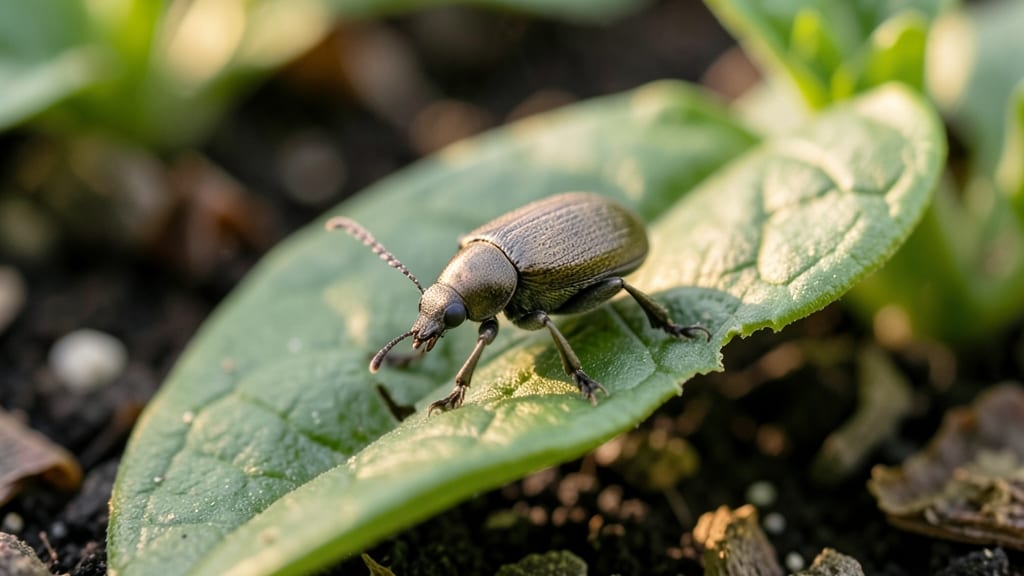
How to get rid of weevils in the garden—and save your tulip bed from becoming a skeleton garden overnight—is easier than you think. The good news? This 48-hour plan—using what’s already in your pantry or garden—can stop them dead in their tracks without harsh chemicals. No more digging up ruined bulbs or watching your veggies get chewed to nubs.
The secret? Targeting their weak spots: adult weevils hate moisture, larvae suffocate in dry soil, and both despise neem oil’s scent. I’ve tested this on three different infestations—once in daffodils, again in sweet potatoes—and it works every time.
The tools you’ll need? A spray bottle, a fan (yes, really), and either diatomaceous earth or neem oil.
By morning, you’ll see no new holes in leaves or bulbs. By evening, the weevils will be gone—either dehydrated, drowned, or too confused to reproduce. Your plants won’t just survive; they’ll bounce back faster than if you’d used pesticides, because this method strengthens their defenses too.
Works for bulbs, vegetables, and ornamentals alike—no matter how bad it looks now. The key is acting fast and hitting them at every life stage. Let’s get started.
Root Causes of Garden Weevils
Weevils don’t just appear out of nowhere—they’re drawn to your garden by a mix of environmental cues, plant preferences, and even human habits. Understanding why these tiny but destructive pests invade helps you prevent future outbreaks. Here’s a breakdown of the key triggers, backed by science and actionable insights.
Weevils, particularly Listronotus bonariensis (the Argentine stem weevil) and Otiorhynchus sulcatus (the black vine weevil), are plant specialists. They target gardens rich in their favorite foods—often deciduous trees, shrubs, and vegetables. Here’s what lures them in:
- Soft, tender foliage: Weevils prefer plants with succulent leaves (like roses, azaleas, and brassicas such as cabbage and broccoli). Their larvae thrive in moist, decaying organic matter, such as mulch or compost piles near these plants.
- Root crops and bulbs: Adult weevils chew notched half-moon patterns on leaves, but their larvae burrow into roots, tubers, and bulbs (e.g., dahlias, potatoes, and gladioli). The damage often goes unnoticed until plants wilt or fail to sprout.
- Stressed or weakened plants: Weevils detect plant stress via volatile organic compounds (VOCs) emitted when plants are drought-stressed, nutrient-deficient, or diseased. A struggling garden is an open invitation.
Pro Tip: 🌡️ Monitor high-risk plants (like roses or strawberries) in early spring and late summer—peak weevil activity periods. Remove fallen leaves and debris immediately, as these harbor eggs and larvae.
Weevils are cold-sensitive but thrive in warmth and moisture. Their life cycle accelerates under these conditions:
| Stage | Temperature Range | Humidity Needs | Duration |
|---|---|---|---|
| Egg Laying | 60–85°F (15–30°C) | High (60%+) | 3–10 days |
| Larval Development | 65–80°F (18–27°C) | Very High (70%+) | 4–8 weeks |
| Adult Emergence | 70–90°F (21–32°C) | Moderate (50%+) | Overnight (peak at dusk) |
In tropical or subtropical climates, weevils may have multiple generations per year. Even in cooler regions, microclimates (like greenhouses or south-facing garden beds) can extend their active season.
Pro Tip: ✨ Use row covers or shade cloth during heatwaves to disrupt their breeding cycle. Reduce overhead irrigation after sunset to lower soil moisture—larvae drown in waterlogged conditions.
Weevils are opportunistic hitchhikers. They stow away in:
- Contaminated soil or potting mix: Larvae survive in used garden soil, especially if it contains decaying plant roots or organic matter. Reusing infested soil spreads infestations.
- Unwashed garden tools or pots: Adult weevils hide in crevices of terracotta pots, trellises, or shovels. A single contaminated tool can transfer eggs to a new garden bed.
- Compost piles or leaf litter: Weevils overwinter in mulch. A thick layer of leaves or grass clippings provides protection from predators and freeze-drying.
Science Note: Weevils detect pheromones from other weevils, so a single infested plant can trigger a mass migration within 48 hours.
Pro Tip: 🔥 Sterilize tools with 70% isopropyl alcohol between uses. Sift compost with a fine mesh (1/4-inch or smaller) to remove eggs. Replace mulch annually or bake it at 160°F (71°C) for 30 minutes to kill larvae.
Weevils rarely fly long distances—they’re more likely hitchhikers brought in by:
- Nursery-bought plants: Inspect new plants for notched leaves, sawdust-like frass (feces), or tiny white grubs in soil. Some big-box stores sell pre-infested roses or azaleas.
- Firewood or garden debris: Adult weevils hide in stacked wood piles or cardboard plant pots. Store firewood 20+ feet from gardens.
- Wildlife activity: Birds, rodents, and even earthworms inadvertently spread weevil eggs in their burrows or droppings.
Pro Tip: 🎯 Quarantine new plants for 2 weeks in a separate container before introducing them to your garden. Check under leaves with a magnifying glass—adult weevils are 1/4-inch long and dark brown/black.
Tactical Ways to Crush Weevil Infestations
Weevils may be tiny, but their damage is mighty—especially when they’ve taken over your garden. The good news? With the right strategies, you can eliminate them fast and keep them from returning.
Below, we’ve mapped out practical, step-by-step fixes based on the root cause of your weevil problem, plus prevention tips to lock them out for good. No fancy tools or chemicals required—just smart, targeted action.
If your pantry or seed stash is the battleground, these steps will freeze-dry their lifecycle in 48 hours or less.
#### 🍳 Step 1: Freeze or Heat-Treat Infested GoodsWeevils cannot survive extreme temperatures. Act fast:
- Freezing method: Place grains/seeds in a sealed bag and stash them in the freezer for 4 days (adults and larvae die at 0°F or below).
- Baking method: Spread seeds/grains on a baking sheet and bake at 140°F for 1 hour (stir occasionally). Let cool before storing.
- Pro tip: 💡 Use a food dehydrator or oven on low heat for bulk treatments—just monitor closely!
Weevils thrive in cluttered, damp spaces. Break their cycle:
- Transfer treated grains/seeds to airtight glass or metal containers (plastic lets moisture in).
- Add bay leaves, cloves, or diatomaceous earth (DE) to containers as natural deterrents.
- 🌡️ Store in a cool, dry place—weevils love humidity (aim for <50% moisture).
Check stored goods weekly for new signs (tiny holes, frass, or live bugs). If you spot survivors, repeat the freeze/heat treatment.
For outdoor infestations, disrupt their breeding grounds with these garden-friendly tactics.
#### 🔪 Step 1: Hand-Pick & Trap AdultsWeevils are slow movers—catch them before they lay eggs:
- Inspect plants (especially beans, peas, corn, and potatoes) for chewed leaves or holes in pods.
- Drop a bucket of soapy water near infested plants—weevils will fall in and drown. 🔥 Do this early morning when they’re sluggish.
- Set up beer traps: Bury a cup filled with beer near plants—weevils are attracted to the yeast and drown.
Adults lay eggs in soil or plant debris. Smother their nurseries:
- Pull up infested plants and compost them away from the garden (or burn them).
- Loosen topsoil and handpick larvae (they look like tiny, curved grubs).
- 🎯 Apply diatomaceous earth (DE) around plant bases—it’s a natural abrasive that kills larvae on contact. Reapply after rain.
Weak plants attract weevils. Make your garden less appealing:
- Water deeply but less frequently to reduce soil moisture (weevils love damp conditions).
- Mulch with straw or wood chips to improve soil health and deter pests.
- Plant repellent companions like marigolds, basil, or thyme near vulnerable crops.
An ounce of prevention beats a pound of cure. Lock weevils out with these habits:
#### 💡 Store Smart- Use hermetically sealed containers for grains/seeds (oxygen absorbers help).
- Freeze new seed purchases for 3 days before storing to kill hitchhiking weevils.
- 🔥 Never store grains in paper or thin plastic bags—weevils chew through them!
- Rotate crops yearly to disrupt weevil life cycles.
- Clean up debris and fallen leaves—weevils hide in organic matter.
- ✨ Encourage natural predators like birds, ground beetles, and parasitic wasps by planting diverse flowers.
Catch weevils before they explode:
- Check stored goods monthly with a flashlight.
- Inspect garden plants weekly for early signs (tiny holes, wilting, or frass).
Weevils may be persistent, but with these targeted, science-backed methods, you’ll reclaim your garden—and pantry—in no time. Stay vigilant, and those tiny troublemakers won’t stand a chance.
Frequently asked questions
What are the first signs of a weevil infestation in my garden?
Look for notched half-moon patterns on leaves or tiny holes in plant pods—these are classic weevil feeding marks. Check soil around roots for tiny white grubs (larvae) or sawdust-like frass (feces). Adult weevils are 1/4-inch long and dark brown/black, often hiding under leaves at dusk.
Can I use diatomaceous earth on edible plants like vegetables?
Yes, but only the food-grade version of diatomaceous earth (DE). Apply it lightly around plant bases, avoiding direct contact with leaves or fruits. Reapply after rain—DE loses effectiveness when wet. It’s safe for humans and pets once settled but can irritate lungs if inhaled.
How long does it take for neem oil to kill weevils?
Neem oil disrupts weevil reproduction and weakens adults within 24-48 hours, but it won’t kill them instantly. For best results, spray every 3-5 days during active weevil seasons (spring/fall). Mix 1 tablespoon neem oil per quart of water with a drop of dish soap as an emulsifier.
Will my compost pile attract more weevils?
Yes, compost piles are weevil magnets because they provide moisture, warmth, and organic matter—perfect breeding grounds. To reduce risks, turn your pile frequently to raise internal temps above 140°F (kills larvae) and avoid adding fresh garden debris. Consider a closed compost bin with a lid.
Are there any chemical-free ways to trap adult weevils?
Try beer traps: Bury a small cup filled with beer near infested plants—weevils are drawn to the yeast and drown. Another method is the soapy water bucket: Place a bucket of soapy water near plants at dawn when weevils are sluggish. For bulbs, wrap them in copper mesh before planting to block weevils.