
Pests
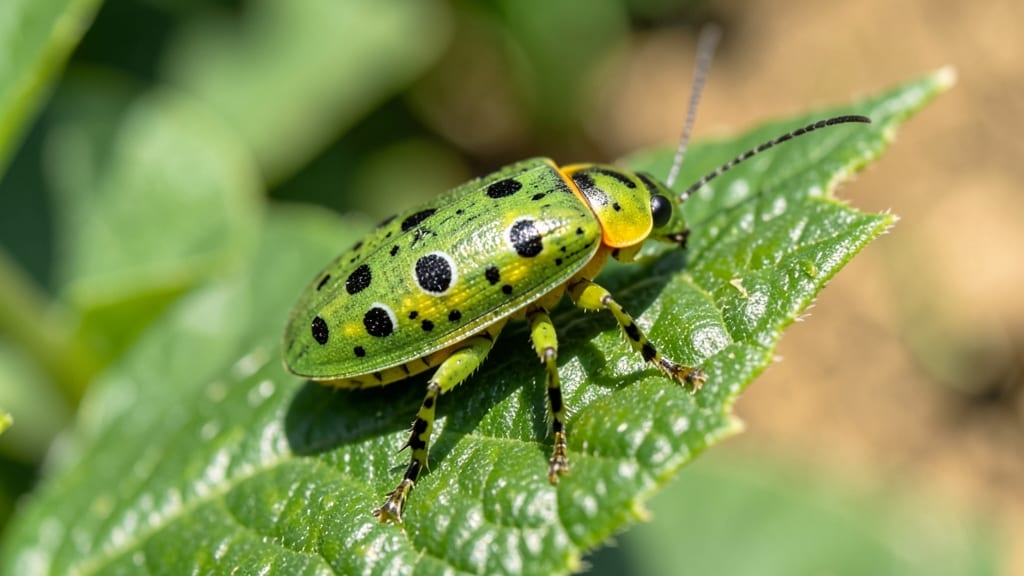
How to get rid of the spotted cucumber beetle—those tiny black-and-yellow striped beetles—is a battle every gardener must win. 🌱 I learned the hard way when they wiped out my entire cucumber patch last summer—until I discovered row covers became my secret weapon for protecting cucurbits without chemicals.
The damage starts small—chewed leaves and flowers—but if left unchecked, they spread bacterial wilt that kills plants permanently. My first year, I lost 75% of my harvest before realizing early intervention with floating row covers and companion planting could save the season.
By mid-July, my plants were thriving under lightweight fabric while still getting sunlight and water. The beetles couldn't reach them, and I avoided spraying anything near my edibles. The best part? You can still hand-pollinate flowers by gently shaking plants.
This method works for squash, melons, and pumpkins too—just drape the covers before beetles appear in spring. The fabric blocks them completely while letting beneficial insects through. No more devastated vines, no more wasted effort.
Root Causes of Beetle Infestations
Spotted cucumber beetles aren’t just random visitors to your garden—they’re drawn by specific conditions that make your crops an all-you-can-eat buffet. Understanding why these pests show up is the first step to stopping them before they wreck your harvest.
Below, we break down the science-backed reasons these striped invaders target your cucumbers, squash, and melons.
Spotted cucumber beetles have a knack for finding cucurbits—plants in the Cucurbitaceae family, including cucumbers, squash, pumpkins, and melons. Here’s why they’re irresistible:
- Volatile Organic Compounds (VOCs): These plants release pheromone-like chemicals (like cucurbitacins) that signal "food available." Beetles detect these scents from up to 1.5 miles away—yes, really. 🐞💨
- Soft, Succulent Leaves: Beetles prefer plants with tender foliage, which they chew aggressively to feed and lay eggs. Young plants are especially vulnerable because their leaves haven’t hardened yet.
- Flowers as Landing Pads: Beetles use yellow flowers (like those on squash) as resting spots during the day. They’re also prime locations for mating and egg-laying. 🌼🐝
Actionable Insight: If you’re growing cucurbits, delay planting until after the last frost when beetles are less active (late May to early June in most regions). Or opt for non-host plants like beans, tomatoes, or herbs to act as "decoy barriers."
Spotted cucumber beetles are cold-sensitive but thrive in warm, sunny conditions. Their lifecycle is tightly linked to temperature:
| Stage | Temperature Trigger | Risk to Your Garden |
|---|---|---|
| Adult Emergence | Soil temps above 50°F (10°C) | Beetles wake from winter hibernation and fly to gardens as early as April in warm climates. |
| Egg-Laying | Ideal: 70–85°F (21–29°C) | Females lay 100+ eggs in soil near host plants, hatching in 5–10 days. |
| Larvae (Grubs) | Soil temps above 60°F (15°C) | Larvae feed on roots, weakening plants before pupating into more beetles. |
Why It Matters: If you plant cucurbits too early (before soil warms), you’re giving beetles a head start. Late spring plantings (after May 1) often escape the worst infestations.
Beetles are opportunistic survivors, and your garden’s past mistakes can fuel their return:
- Residual Eggs in Soil: Female beetles bury eggs near plant roots. If you don’t rotate crops or till the soil, larvae survive winter and emerge as adults the next year. ❄️🐛
- Weeds as Safe Havens: Beetles love wild cucurbits (like buffalo gourd) and morning glories. These weeds act as beetle nurseries near your garden.
- Compost Piles & Debris: Organic matter provides moisture and shelter for overwintering beetles. A messy garden = a beetle hotel.
Pro Tip: Clean up thoroughly in fall—remove all plant debris, till soil to 12 inches deep (kills eggs), and mow weeds before they flower. 🌱🔥
In a healthy ecosystem, beetles face dozens of predators. But modern gardening often disrupts this balance:
- Overuse of Broad-Spectrum Pesticides: Chemicals like neonicotinoids kill beneficial insects (ladybugs, lacewings, parasitic wasps) that eat beetle eggs/larvae.
- Monoculture Planting: Large patches of cucurbits overwhelm predators, making it hard for them to keep beetle populations in check.
- Urban/Suburban Gardens: Fewer wild predators (like toads, birds, and spiders) survive in manicured landscapes.
Science Note: Studies show gardens with diverse plantings (especially dill, fennel, and carrots) attract 30% more predator species than monocrops. 🕷️🐦
Sometimes, beetle outbreaks are bigger than your backyard. Large-scale issues include:
- Nearby Farming Operations: Commercial fields treated with minimal pesticides can release thousands of beetles into the air, drifting to home gardens.
- Climate Change: Warmer winters mean more surviving beetles, and longer growing seasons give them extra months to reproduce.
- Resistant Pest Strains: Some beetles have developed tolerance to common pesticides (like pyrethroids), making chemical control less effective.
What You Can Do: If beetles are everywhere in your area, focus on physical barriers (like row covers) and cultural controls (trap cropping, companion planting) to reduce local populations. 🌍🛡️
Practical Fixes for Beetle-Free Gardens
Spotted cucumber beetles may be tiny but wreak big havoc on your cucumbers, squash, and melons. The good news? With the right strategies, you can reclaim your garden—without sacrificing your harvest.
Below, we break down targeted solutions based on the root cause of your beetle problem, from immediate fixes to long-term prevention. Let’s tackle this step by step!
If you’ve spotted these striped pests already, act fast—they multiply quickly and spread bacteria like bacterial wilt. Here’s how to evict them manually:
- 🕵️♂️ Scout and Shake: Inspect leaves, stems, and flowers early in the morning (beetles are sluggish then).
Shake plants over a bucket of soapy water to drown them. Pro tip: 💡 Use a white tray under plants—the beetles’ bright colors make them easy to spot against a light background. - 🧽 Handpick Adults: Wear gloves and pluck beetles off plants, dropping them into a jar of soapy water or rubbing alcohol (both kill instantly).
Do this daily for 2–3 weeks to break their life cycle. - 🌿 Prune Damaged Foliage: Cut and dispose of (not compost!) yellowing or chewed leaves—they’re beetle hotspots. ✨ Bonus: Healthy plants resist pests better, so trim overcrowded vines for airflow.
Beetles are drawn to your garden like a buffet—block their access with physical barriers:
- 🧶 Row Covers to the Rescue: Use floating row covers (lightweight fabric) over young plants.
Secure edges with soil or bricks to keep beetles out while letting pollinators (like bees) access flowers. 🌡️ Timing matters: Install covers at planting and remove them only when flowers appear (then switch to handpicking). - 🥖 DIY Collars for Seedlings: Cut cardboard or plastic tubes (like toilet paper rolls) to fit around seedlings.
Bury the bottom 1 inch into soil—beetles can’t climb smooth surfaces! Remove when plants are 4–6 inches tall. - 🍅 Trap Crops: Plant radishes or nasturtiums near cucurbits. Beetles prefer these over your prized veggies—sacrifice them by uprooting and drowning the pests weekly.
Chemical sprays can harm beneficial insects and residue on edibles. Instead, try these safe, effective alternatives:
| Spray Solution | How to Use | When to Apply |
|---|---|---|
| Neem Oil | Mix 1 tbsp neem oil + 1 tsp dish soap + 1 quart water. Spray evenly on leaves (avoid flowers). | Early morning or evening (avoid direct sun). Reapply every 5–7 days. |
| Kaolin Clay | Stir 1–2 tbsp kaolin clay + 1 gallon water. Spray to form a protective film on leaves. | At planting and weekly during outbreaks. |
| Pyrethrin (Botanical) | Use spinosad or azadirachtin (derived from bacteria/neem). Follow label rates. | Late afternoon to reduce bee exposure. Rotate with other sprays. |
💡 Pro Tip: Always test sprays on a small leaf first—some plants (like cucumbers) are sensitive to oils.
Stop beetles before they start with these garden-wide strategies:
- 🌿 Crop Rotation: Avoid planting cucurbits (cucumbers, squash, melons) in the same spot yearly.
Beetles overwinter in soil—rotate families (e.g., tomatoes → beans → cucumbers). - 🌱 Companion Planting: Interplant with basil, marigolds, or dill—their scents repel beetles. 🎯 Power combo: Basil + cucumbers = natural pest deterrent + flavor boost! - 🌱 Soil Health: Healthy soil = resilient plants.
Add compost or worm castings at planting to strengthen roots against beetle stress. - 🗓️ Plant Timing: Start seeds indoors and transplant after the last frost when beetles are less active. 🔥 Hot tip: Use black plastic mulch to warm soil faster—beetles hate the heat!
If your garden is overrun (e.g., wilting vines, beetles everywhere), consider:
- 🐝 Beneficial Insects: Release ladybugs or lacewings—they eat beetle eggs/larvae. Order from garden centers.
- 🚨 Professional Help: For severe infestations, consult a local cooperative extension service for region-specific advice.
Final Reminder: Consistency is key! Combine manual removal + barriers + sprays for the best results. With these tactics, your cucumbers will thrive—beetle-free and bountiful! 🥒🌿
Frequently asked questions
Why do spotted cucumber beetles target my cucumbers and squash?
These beetles are attracted to plants in the cucurbit family because they release volatile compounds that signal "food available." Their soft leaves provide easy meals, and yellow flowers serve as perfect resting spots for mating. Young plants are especially vulnerable because their tender foliage makes an ideal buffet.
How can I tell if my plants have bacterial wilt from these beetles?
Look for sudden wilting that starts in the upper leaves and spreads downward, even when soil is moist. The stems may appear brown and mushy when cut open, and the plant often dies within days. This bacterial infection spreads through beetle feeding—act fast with row covers if you spot these symptoms!
Are row covers safe for pollinators like bees?
Yes! Use lightweight floating row covers that allow bees to access flowers while blocking beetles. Simply remove covers during flowering season (when pollination is needed) and switch to handpicking beetles. This protects both your harvest and beneficial insects.
Can I use neem oil on flowering cucumber plants?
Neem oil should be avoided during flowering because it can harm pollinators. Instead, use it only on leaves before flowers appear, or switch to kaolin clay (a non-toxic mineral spray) that won't affect bees. Always test sprays on a small leaf first to check for sensitivity.
What's the best time of day to handpick these beetles?
Early morning is ideal—beetles are sluggish after overnight cooling. Place a white tray under plants to spot them easily against the light background. Drop them into soapy water immediately to prevent re-infestation. Repeat daily for 2-3 weeks to break their lifecycle.