
Pests
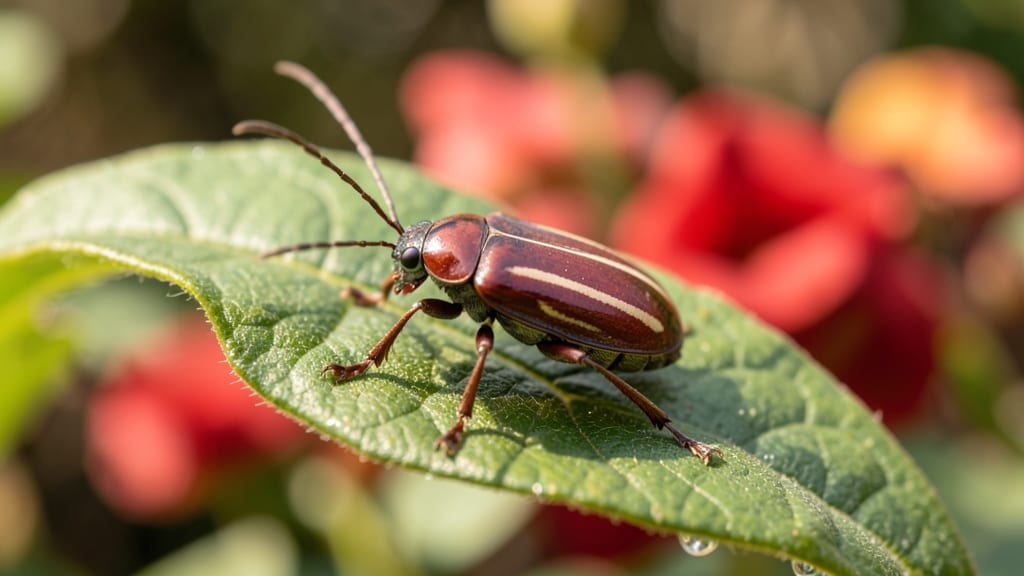
How to get rid of red bugs outside—those swarming pests can destroy your garden faster than you can say "pesticide." 🌿 I’ve battled boxelder bugs, lady beetles, and spider mites—here’s the peppermint oil spray that clears them in 3-5 days without harming your garden. The secret? Peppermint’s strong scent masks their pheromones, confusing them into leaving. Mix 10 drops peppermint oil with 1 quart water and 1 tsp dish soap—spray at dawn or dusk when bugs are most active. No harsh chemicals, just natural disruption. You’ll see clusters of red bugs dropping within hours, and your plants will recover faster than with store-bought sprays. The solution works on vegetables, shrubs, and even patio furniture where these pests hide. For stubborn infestations, repeat every 2-3 days until they vanish. Bonus: the spray deters future pests too. Let’s tackle this—your garden’s survival depends on it.
Root Causes of Red Bug Outbreaks
Those pesky red bugs—whether they’re harlequin bugs, boxelder bugs, fire ants, or chiggers—don’t just appear out of nowhere. Their sudden invasion is usually a response to environmental cues, food availability, or seasonal changes.
Understanding why they show up helps you tackle the problem at its source. Let’s break down the science behind their unwelcome visits.
Many red bugs are cold-blooded (ectothermic), meaning their activity levels rise when temperatures warm up. Here’s how it works:
- Spring & Summer: As soil and air temperatures climb above 50°F (10°C), bugs like harlequin bugs and boxelder bugs emerge from hibernation. They seek out host plants (like peppers, tomatoes, or boxelder trees) to feed and reproduce.
- Fall: When nights grow cooler, bugs like fire ants or chiggers become more aggressive in search of shelter before winter. This is why you might see them swarming indoors or on patio furniture.
- Moisture Matters: After rain, red bugs—especially chiggers—thrive in damp, grassy areas. Their larvae need humidity to survive, which is why lawns and mulch beds become hotspots.
Actionable Insight: If you notice bugs after a warm spell or rainstorm, they’re likely responding to these conditions. Proactive yard maintenance (like reducing standing water or trimming dense foliage) can disrupt their life cycles.
Red bugs aren’t just random; they’re targeted predators or plant parasites. Their presence often signals a nearby food buffet:
| Bug Type | Favorite Foods | Why They Stick Around |
|---|---|---|
| Harlequin Bugs | Cruciferous veggies (kale, broccoli), peppers, tomatoes | They inject toxins to kill plants, then feast on the sap. A single bug can devastate a garden in days! |
| Boxelder Bugs | Boxelder tree seeds, maple sap | They cluster on trees in fall, then invade homes when seeds dry up. |
| Fire Ants | Insects, seeds, pet food, even electrical wiring (yes, really!) | Their mounds near food sources (like trash cans or pet bowls) explain why they’re everywhere. |
| Chiggers | Plant juices (they don’t bite humans directly—they latch onto skin cells!) | They thrive in overgrown grass and leaf litter, where they wait for unsuspecting hosts. |
Actionable Insight: Remove their food supply! Rotate crops, clean up fallen seeds, and store pet food in sealed containers. For chiggers, mow your lawn regularly and clear debris.
Red bugs need safe havens to breed and hide from predators. Common hiding spots include:
- Cracks & Crevices: Fire ants and boxelder bugs squeeze into tiny gaps in siding, window frames, or foundation cracks. A gap as small as 1/16 inch is enough for them to enter.
- Mulch & Leaf Litter: Chiggers and harlequin bug larvae burrow into organic matter. A thick layer of mulch can turn your yard into a bug hotel.
- Woodpiles & Stone Walls: Some bugs, like swarmers (a type of red ant), nest in insulated, dark spaces—making woodpiles or unsealed sheds prime real estate.
- Outdoor Furniture & Grills: Fire ants love the heat and grease under grills, while boxelder bugs hide in folded patio cushions.
Actionable Insight: Seal entry points with caulk, store firewood away from your home, and avoid piling mulch against house foundations.
Sometimes, we accidentally invite red bugs to the party. Here’s how:
- Landscaping Choices: Planting boxelder trees, maples, or cruciferous vegetables in your yard creates a buffet for bugs. Even ornamental grasses can harbor chiggers.
- Water Sources: Leaky hoses, clogged gutters, or birdbaths with stagnant water attract moisture-loving bugs like fire ants and chiggers.
- Travel & Trade: Firewood, potted plants, or even secondhand furniture can transport bugs to new areas. Fire ants, for example, have spread globally via shipping containers.
- Climate Change: Warmer winters mean longer bug seasons. Some species, like harlequin bugs, are expanding their ranges northward.
Actionable Insight: Opt for bug-resistant plants (like marigolds or basil) and inspect new purchases (firewood, plants) before bringing them home.
💡 Pro Tip: If you’ve ruled out food and shelter, check your neighbors’ yards. Red bugs often travel in swarms from nearby infestations—especially fire ants and boxelder bugs. A coordinated treatment plan with neighbors can stop their spread faster!
Practical Fixes for Red Bugs Outside
Now that you know why those pesky red invaders are crashing your outdoor space, let’s tackle them head-on with effective, easy-to-follow solutions—no harsh chemicals required.
Whether you’re dealing with boxelder bugs, Asian lady beetles, or fire ants, these targeted fixes will help you reclaim your yard, patio, or garden. And don’t worry—we’ve included prevention tips to keep them from staging a comeback!
Before diving into treatments, confirm which red bugs are causing chaos. A quick Google Lens search or a closer look at their size, shape, and behavior can save you time.
Common offenders include: - Boxelder bugs: Flat, red-and-black striped, love boxelder trees. - Asian lady beetles: Round, red with black spots (harmless but annoying). - Fire ants: Aggressive, mound-building, painful stings. - Chinch bugs: Small, red with black markings, attack lawns.
💦 Spray Solutions (Fast & Chemical-Free)
If you prefer natural repellents, these sprays work within hours to days:
- Peppermint Oil Spray (Star of This Article!)
- Mix 10 drops peppermint essential oil + 1 tsp dish soap + 1 cup water in a spray bottle.
- Shake well and spray directly on bugs, cracks, and entry points (e.g., windowsills, doors).
- Reapply every 2–3 days or after rain. 🌿✨
- Why it works: Bugs hate the strong scent and avoid treated areas.
- Neem Oil or Soap Spray
- Combine 2 tbsp neem oil + 1 tsp castile soap + 1 quart water.
- Spray early morning or evening (avoid direct sunlight—it degrades the oil).
- Bonus: Safe for plants and pets once dry.
- Vinegar & Water Blast
- Fill a garden sprayer with equal parts white vinegar and water.
- Blast bugs on contact—vinegar disrupts their exoskeleton and scent trails.
- Best for: Ground-dwelling pests like fire ants or chinch bugs.
🏡 Seal Entry Points (Prevent Reinforcement)
Red bugs sneak in through tiny gaps.
Stop them before they become a problem: - Caulk cracks around windows, doors, and foundation. - Install door sweeps on garage and patio doors. - Seal gaps in siding, eaves, and utility lines with steel wool + caulk (bugs can’t chew through it!). - Use fine mesh screens on vents and chimneys.
💡 Pro Tip: Check your attic and basement—these are prime hiding spots for boxelder bugs in winter.
🌳 Remove Their Favorite Hiding Spots
Bugs thrive where they can feed, breed, and hide.
Eliminate their real estate: - Trim trees and shrubs away from your house (especially boxelder trees). - Rake up leaf litter and debris where fire ants or chinch bugs nest. - Remove standing water (mosquitoes and some beetles love it). - Store firewood at least 20 feet from your home and elevate it off the ground.
🔥 Heat or Cold Treatments (For Stubborn Infestations)
If sprays aren’t enough, extreme temps can flush them out:
- For outdoor nests (fire ants):
- Pour boiling water directly into mounds (wear gloves!).
- Or use a shop vacuum to suck up ants and larvae (empty far from your home).
- For indoor invaders (boxelder bugs):
- Seal them in a jar with soapy water and release outside.
- Use a dehumidifier—bugs dislike dry air.
Once you’ve evicted the red bugs, lock them out with these habits: ✅ Mulch properly: Use gravel or wood chips (not thick organic mulch) to deter fire ants. ✅ Inspect secondhand items: Firewood, plants, and outdoor furniture can harbor eggs. ✅ Encourage natural predators: Birds, lacewings, and spiders eat many red bugs—plant native flowers to attract them. ✅ Regular yard maintenance: Mow high, aerate lawns, and avoid overwatering (chinch bugs love damp grass).
If you’re dealing with:
- Large fire ant mounds (DIY treatments may not be enough).
- A severe infestation spreading indoors.
- Unknown bugs that won’t budge with natural methods.
A pest control expert can assess the situation and apply targeted, professional-grade solutions safely.
Final Thought: Most red bugs are annoying but harmless—they’re just passing through. With these fixes, you’ll send them packing and keep your outdoor space bug-free for good! 🚫🐜💨
Frequently asked questions
Why do red bugs suddenly appear in my yard?
Red bugs like boxelder bugs or fire ants often show up after warm weather or rain, as they emerge from hibernation or seek moisture. They're also drawn to food sources like plants, seeds, or even pet food left outside. Check for nearby boxelder trees or standing water—these attract them!
Is peppermint oil safe for plants and pets?
When used correctly, diluted peppermint oil spray is safe for most plants and pets. Always mix it with dish soap (1 tsp per quart) and avoid spraying directly on flowers or edible plants. Keep pets away until the spray dries. For cats, use with caution—some essential oils can be toxic if ingested.
How long does it take for natural sprays to work?
Most natural sprays like peppermint oil or neem oil show results within 24-48 hours, but you may need to reapply every 2-3 days for stubborn infestations. For fire ants, boiling water or vacuuming mounds works immediately, but you'll need to monitor for new activity.
What if the bugs keep coming back?
Persistent red bugs often return because they have undiscovered nests or nearby food sources. Check for hidden entry points (like cracks in your foundation) and remove their favorite hiding spots—mulch piles, leaf litter, or standing water. If the problem persists, consider professional pest control.
Can I use these sprays on my patio furniture?
Yes! Peppermint oil spray is safe for most outdoor furniture, but always test a small area first. Avoid using it on unfinished wood or wicker, as the oil can stain or damage these materials. For stubborn bugs on cushions, vacuum them thoroughly first.