
Pests
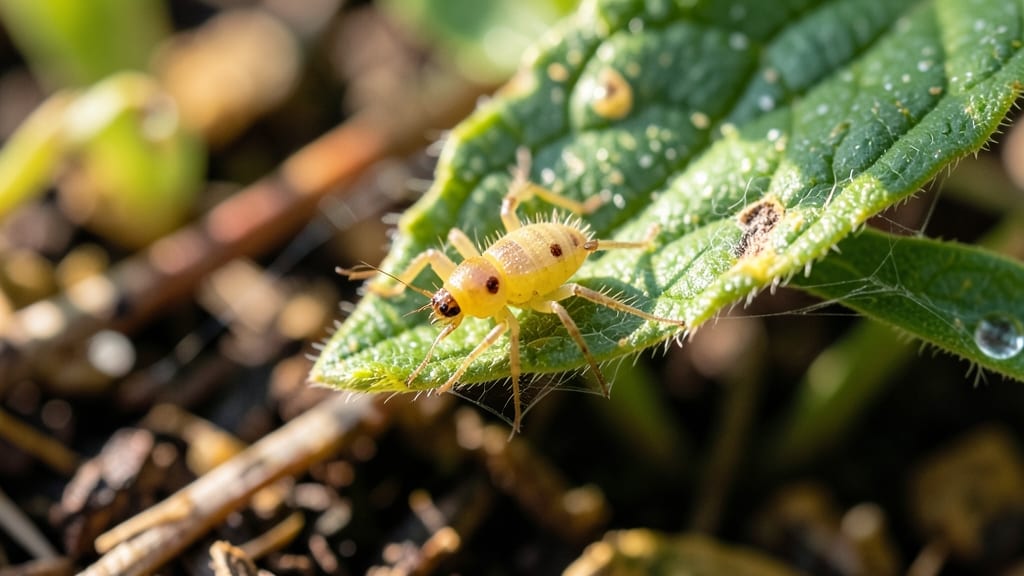
How to get rid of mites outside in just 24 hours? Tiny invaders are wrecking your garden faster than you can say "harvest." 🌿 Spider mites and harvest mites turn vibrant leaves into skeletal webs overnight—but I’ve got a 24-hour solution that actually works without harsh chemicals. The key? A neem oil and soap spray combo that smothers them on contact while being safe for most plants and pets (when used right).
Most people wait until their plants look like lace before acting. Don’t. Start when you spot the first signs: tiny yellow specks on leaves, fine webbing, or leaves that look dusted with flour.
These mites thrive in dry, hot conditions, so they’re often worst in summer—but a single spray can turn the tide. The secret? Neem oil disrupts their life cycle, while insecticidal soap gives them a fatal dose of dehydration.
By morning, you’ll see fewer mites clinging to leaves, and within 48 hours, new growth emerges clean and lush. The spray works best in the evening when temperatures drop—less stress on your plants, more effectiveness.
Plus, it’s a one-time fix that prevents reinfestation if you follow up with preventive measures like mulching and regular misting to keep humidity up.
This method isn’t just fast—it’s pet-safe (once dry) and won’t harm beneficial insects like ladybugs if applied correctly. But if your garden is a mite hotspot year after year, it might be time to call in a pro. Here’s how to do it right the first time.
Root Causes of Outdoor Mite Infestations
Outdoor mites—like spider mites, harvest mites, or chiggers—don’t just appear out of nowhere. Their presence is usually a sign of underlying environmental or ecological imbalances. Understanding these triggers is the first step to effectively eliminating them.
Below, we break down the key reasons mites thrive outside your home, yard, or garden—and how their habits contribute to the problem.
Mites love hiding in thick, unkempt plant life because it provides moisture, shelter, and food sources. Here’s why overgrowth is a magnet for them:
- Humidity traps: Dense foliage retains moisture longer, creating the ideal 80-90% humidity range that mites crave. Spider mites, for example, thrive in these damp conditions, as their delicate bodies dry out quickly in low humidity.
- Food buffet: Plants like ivy, roses, and ornamental shrubs are favorite meals for mites. Their sap-rich leaves provide the nutrients mites need to reproduce rapidly (some species can lay 100 eggs in just 5 days).
- Predator avoidance: Birds, ladybugs, and other natural mite predators struggle to navigate tangled vines or thick ground cover. This gives mites a safe haven to multiply unchecked.
Actionable insight: Mites often target stressed plants first—drought, poor soil, or disease make them easier prey. Regular pruning and proper irrigation disrupt their lifecycle.
Mites aren’t the top of the food chain—they’re prey. When their natural enemies disappear, mite populations explode. Here’s why predator loss is a silent contributor:
| Natural Predator | Why They’re Disappearing | Mite Impact |
|---|---|---|
| Ladybugs | Pesticide use (even "safe" sprays can harm them) or habitat loss. | One ladybug can eat 5,000 mites in its lifetime. |
| Spiders | Over-trimming of bushes (removes their webs) or chemical treatments. | Web-spinning spiders trap and devour mites as part of their diet. |
| Birds (e.g., wrens, chickadees) | Loss of nesting sites due to yard maintenance or light pollution. | Birds snack on mites while foraging for insects. |
| Ground beetles | Compacted soil or excessive mulch (limits their hunting grounds). | They feast on harvest mites and chiggers in the soil. |
Actionable insight: Encourage predators by planting native flowers (e.g., dill, fennel, or marigolds), leaving leaf litter in corners of the yard, and avoiding broad-spectrum pesticides.
Mites are sensitive to temperature and weather patterns. Sudden changes—whether too hot, too cold, or erratic—can force them into survival mode**, leading to aggressive infestations. Here’s how:
- Drought stress: When plants wilt, their cell walls weaken, making them easier for mites to pierce and feed on. Spider mites, in particular, thrive in dry heat because their predators (like mites that eat mites) struggle to survive.
- Unseasonable warmth: Mild winters or early springs can trick mites into emerging early. Harvest mites, for example, become active when soil temps rise above 50°F (10°C), often appearing in late spring or summer.
- Flooding or heavy rain: While rain can drown mites, it also washes away their eggs and larvae into new areas, spreading them to nearby plants or structures.
Actionable insight: Monitor local weather forecasts. If a heatwave is predicted, increase humidity around plants with a light misting (mites hate it) or apply kaolin clay as a protective barrier.
Even well-meaning yard work can accelerate mite problems. Here’s how human actions create ideal mite conditions:
- Excessive mulching: Thick mulch layers (especially organic) create microclimates with high humidity and decaying matter—perfect for chiggers and harvest mites. These mites burrow into mulch to feed on organic debris and small animals.
- Landscaping debris: Piles of leaves, grass clippings, or wood chips become hiding spots for mites. A single leaf pile can harbor thousands of eggs over winter.
- Pet activity: Dogs and cats can carry harvest mites on their fur from grassy or wooded areas. When they shake or roll, mites scatter onto lawns, patios, or even your shoes.
- Ignoring pet bedding: Outdoor pet beds or blankets left in damp areas become mite breeding grounds. Some mites, like cheyletiella (walking dandruff), thrive in pet hair and shed onto outdoor surfaces.
Actionable insight: Store firewood at least 20 feet from your home, keep pet areas clean and dry, and avoid over-mulching—stick to a 2–3 inch layer.
Key takeaway: Mites don’t invade randomly—they’re responding to specific environmental cues. By addressing these root causes, you’re not just treating symptoms; you’re starving their survival strategy.
Quick Fixes for Outdoor Mite Problems
Mites thriving outside your home can be a frustrating nuisance, but the good news is that targeted solutions exist for every common cause.
Whether you're dealing with bird mites clinging to nesting areas, chigger mites in grassy patches, or storage mites in outdoor sheds, these practical steps will help you reclaim your space—fast.
---
If you’ve spotted mites near birdhouses, roosting spots, or attics, these pests likely hitchhiked from local wildlife. Act fast to prevent them from spreading indoors.
#### 🔥 Remove the Nest or Roost - Wear gloves and a mask—mites can irritate skin and lungs. - Dispose of the nest in a sealed plastic bag and toss it in an outdoor trash bin (not compost). - Scrub the area with a 10% vinegar solution (1 part white vinegar to 3 parts water) to kill lingering eggs.
#### 🍳 Apply Neem Oil Spray Neem oil is a natural miticide that disrupts mite life cycles. - Mix 2 tbsp neem oil + 1 tsp dish soap + 1 quart water in a spray bottle. - Spray thoroughly on birdhouses, eaves, and roosting spots. - Reapply every 3–5 days for 2 weeks to break the cycle.
#### 👨🍳 Seal Entry Points - Caulk cracks in siding, vents, and roof edges where birds might nest. - Install fine mesh screens over vents and chimneys to block mites.
💡 Pro Tip: If birds return, place a decoy predator (like a fake owl) nearby to discourage nesting.
---
Chiggers thrive in tall grass, leaf litter, and damp soil, often near patios or playgrounds. Eliminate their habitat to starve them out.
#### 🔪 Mow & Tidy Up - Cut grass short (no taller than 3 inches) to remove hiding spots. - Rake up leaf piles and debris—chiggers love moist, shaded areas. - Trim back bushes near your home’s foundation.
#### 🌡️ Heat Treatment for Hot Spots Chiggers hate heat—use this to your advantage: - Lay black plastic sheeting over infested areas for 2–3 days to bake them out (sun heats it up). - Alternative: Use a steam cleaner on lawn furniture, dog beds, and play structures.
#### 🎯 Preventative Sprays - Diatomaceous earth (food-grade): Sprinkle lightly on grass edges and mulch—it dehydrates mites. - Pyrethrin spray (organic insecticide): Targets chiggers on contact. Reapply after rain.
✨ Bonus: Encourage natural predators like ground beetles and spiders by keeping a healthy lawn ecosystem.
---
Mites in sheds or garages often feed on organic debris like cardboard, paper, or old fabrics. Clean and protect stored items to stop the infestation.
#### 🧹 Deep Clean & Declutter - Remove everything from the shed and sort items: - Toss damaged goods (warped wood, moldy boxes). - Wash fabrics in hot water (130°F+) or freeze them for 48 hours to kill mites. - Vacuum thoroughly, including corners and ceiling cracks.
#### 🥘 Use Essential Oil Repellents Mites dislike strong scents—try this blend: - 10 drops peppermint oil + 5 drops tea tree oil + 1 cup water + 1 tbsp vodka (as an emulsifier). - Spray on shelves, stored items, and walls. - Reapply weekly or after cleaning.
#### 🔒 Store Items Properly - Use airtight containers (plastic bins with seals) for papers, clothes, and tools. - Add bay leaves or cedar blocks to deter mites naturally. - Elevate items off the floor with pallets to reduce humidity.
💡 Pro Tip: Silica gel packets (from shoe boxes) absorb moisture—place them in storage bins to discourage mites.
---
No matter the mite, consistent upkeep keeps them from returning.
| Task | How Often | Why It Works | |-------------------------|---------------------|-------------------------------------------| | Inspect outdoor areas | Weekly | Catches nests or hotspots early. | | Trim vegetation | Monthly | Reduces hiding spots for chiggers. | | Clean gutters & eaves | Every 3 months | Prevents bird mite nesting. | | Check pet bedding | Weekly | Mites can hitchhike on fur. | | Apply miticide spray | Seasonally (spring/fall) | Stops reinfestation. |
--- Final Reminder: Mites are opportunistic—remove their food (organic debris), water (standing moisture), and shelter (dark cracks), and they’ll move on. Act within 24–48 hours of noticing them for the fastest results!
Frequently asked questions
Can I use vinegar to kill outdoor mites?
Yes! A 10% vinegar solution (1 part white vinegar to 3 parts water) works well for killing mites on contact, especially around birdhouses or patio areas. Spray it directly on infested spots, focusing on webs or leaf undersides. Reapply every 3-4 days for best results, as vinegar evaporates quickly. For stubborn cases, combine it with neem oil for enhanced effectiveness.
How do I know if my pets are bringing mites inside?
Watch for tiny red bites or itchy patches on your pets' skin, especially after outdoor play. Check their bedding for white specks (mite eggs) or fine webbing. If you notice these signs, wash all pet bedding in hot water (130°F+) and treat outdoor pet areas with diatomaceous earth or peppermint oil spray to deter mites from hitchhiking back inside.
Will rain wash away outdoor mites?
Rain can help reduce mite populations by washing away eggs and adults, but it won’t eliminate them completely. Heavy rain may even spread mites to new areas. After rainfall, reapply treatments like neem oil or insecticidal soap to break their life cycle. Focus on shaded, damp areas where mites thrive, as these spots stay moist longer and remain ideal breeding grounds.
Are there any plants that repel outdoor mites naturally?
Yes! Planting marigolds, lavender, or rosemary near your garden or patio can help deter mites naturally. These plants release scents that mites dislike. For immediate results, crush fresh leaves and rub them on infested plants. You can also create a garlic spray (blend garlic with water and strain) to spray on plants—mites avoid the strong odor. Just reapply after rain.
When should I call a professional for outdoor mites?
Consider calling a pest control expert if mites keep returning despite your best efforts, or if you notice large-scale infestations (e.g., entire gardens covered in webbing). Professionals can identify the specific mite species and use targeted treatments. Also seek help if mites are causing severe skin reactions in your family or pets, as some mites (like chiggers) can trigger allergic responses. For most cases, DIY methods work well—just be consistent!