
Pests
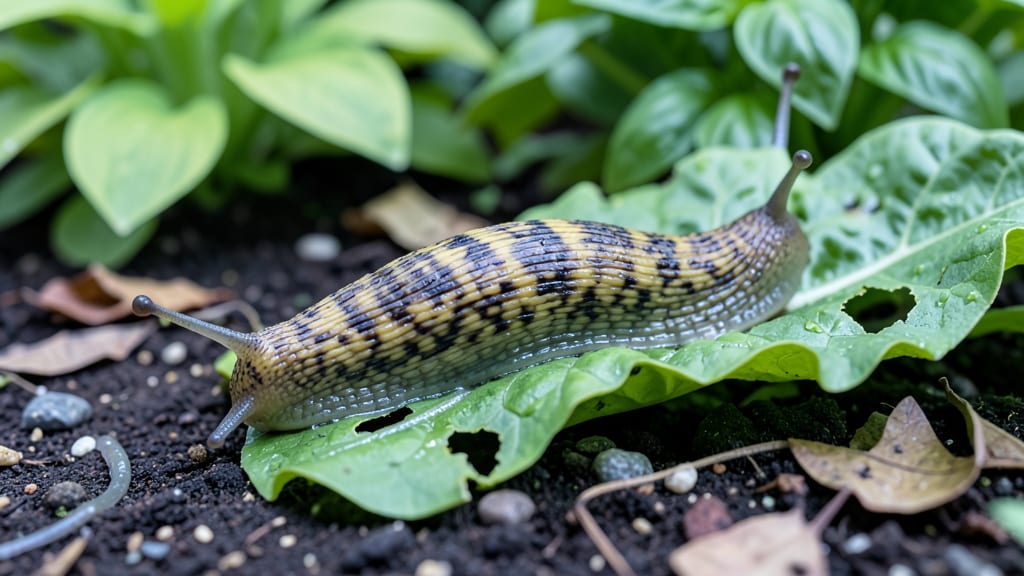
How to get rid of leopard slugs—those striped, slime-covered pests—turning your garden into a disaster. 🌱 I’ve battled these invaders for years, and the copper barrier method finally gave me the edge—no more chewed leaves or nighttime raids on your prized plants.
The secret? A simple, DIY copper tape trick that confuses their slime trails and stops them in their tracks. You’ll need just a few supplies: copper tape, a measuring tape, and some patience. It’s chemical-free, works in minutes, and lasts through multiple seasons.
By morning, you’ll see fewer slimy trails and more intact leaves. The barrier disrupts their movement without harming plants, soil, or beneficial insects. Plus, it’s a permanent solution once installed—no more waking up to find your seedlings stripped bare.
Works in any climate, from humid backyards to dry gardens, and pairs perfectly with other slug-control strategies. Let’s reclaim your garden without toxic sprays or expensive traps.
The Hidden Triggers Behind Leopard Slugs
Leopard slugs—those striking, spotted pests—don’t just appear out of nowhere. Their presence is usually a sign of specific environmental conditions and human habits that create the perfect breeding ground.
Understanding why these slugs invade your garden or home is the first step to stopping them. Let’s break down the science behind their unwelcome visits.
Leopard slugs thrive in damp, humid conditions because their slimy bodies lose moisture quickly in dry air. If your garden has:
- Poor drainage: Compacted soil or clay-heavy ground traps water, keeping the area perpetually soggy—ideal for slug egg-laying.
- Thick mulch or dense foliage: Decaying organic matter (like fallen leaves or wood chips) retains moisture and provides shelter.
- Shade from trees or structures: Slugs avoid direct sunlight, so areas with little sun exposure become their hideouts.
Actionable fix: Improve drainage with sand or gravel, reduce mulch thickness, and prune overhanging branches to let sunlight in.
Leopard slugs are scavengers, and rotting plant matter is a buffet. They feast on:
- Compost heaps: Warm, moist compost is a slug magnet—especially if it’s not turned regularly to disrupt their life cycle.
- Dead leaves and plant waste: Piles of garden clippings or fallen branches create microclimates perfect for slug reproduction.
- Fungal growth: Slugs love decaying fungi (like mushrooms), which often sprout in damp, shaded spots.
Actionable fix: Clear debris regularly, turn compost frequently, and avoid leaving leaf litter in corners. If mushrooms appear, remove them immediately.
Leopard slugs are nocturnal and are attracted to artificial lights at night. Why? Lights draw insects, which in turn attract slugs hunting for an easy meal. If your home or garden has:
- Outdoor floodlights or porch lights: Bright lights create a "halo effect," trapping slugs near illuminated areas.
- Solar-powered path lights: Even low-wattage lights can act as beacons for slugs.
- Nearby insect activity: Bugs drawn to lights become slug snacks, encouraging more slugs to investigate.
Actionable fix: Use motion-sensor lights (which turn off when slugs are active) or switch to warm-toned bulbs (slugs are less attracted to amber/red lights). Keep lights away from garden edges.
Slugs need moisture to survive, and overwatering—whether from hoses, sprinklers, or overzealous potted plant care—turns your yard into a slug paradise. Key culprits:
- Daily watering routines: Slugs prefer consistently damp soil; watering every day keeps their environment ideal.
- Drip irrigation near mulch: If water pools under mulch or plant saucers, it creates a slug-friendly zone.
- Potted plants with saucers: Stagnant water in saucers becomes a breeding ground for slugs and their eggs.
Actionable fix: Water deeply but infrequently (early morning is best to allow soil to dry by night). Elevate pots to prevent water pooling, and empty saucers after watering.
Sometimes, the way we garden or store food unintentionally invites slugs. Common mistakes:
- Leaving pet food outdoors: Slugs are omnivores and will eat kibble, making pet bowls a snack station.
- Storing firewood near gardens: Wood piles retain moisture and provide shelter, creating a slug sanctuary.
- Ignoring gaps in fences or doors: Slugs squeeze through tiny spaces, especially after rain.
Actionable fix: Store pet food indoors, keep firewood elevated and covered, and seal gaps in fences or screens with copper tape (a natural slug repellent).
Practical Fixes for Leopard Slug Control
Leopard slugs may be beautiful, but their appetite for gardens and crops can be a nightmare. The good news? With the right strategies, you can banish them for good—without resorting to harsh chemicals.
Below, we’ve mapped out targeted solutions based on the most common causes of infestations, along with preventive tips to keep them out long-term.
---
Leopard slugs thrive in moist, shaded areas with easy access to plants. If your garden is a slug buffet, block their path with simple, DIY-friendly barriers.
#### 🔥 Copper Tape: The Electric Shock Method Copper tape creates a mild electric current when slugs cross it, deterring them instantly. - How to do it: - Purchase copper tape (available at garden centers or online). - Bend it into a U-shape and secure it around pots, raised beds, or garden edges with stakes or nails. - Ensure the tape is at least 6 inches tall to prevent climbing. - Why it works: Slugs have a natural aversion to copper—one touch, and they’ll detour. - Pro tip: 💡 Combine with diatomaceous earth (food-grade only) around the base for extra defense.
Reapply after rain.
#### 🍳 Gravel or Crushed Eggshells: The Rough Terrain Trick Slugs dislike abrasive surfaces that damage their slimy bodies. - How to do it: - Spread a 1-inch layer of coarse gravel, crushed eggshells, or sand in a 2-3 foot wide band around plants. - Refresh the barrier every few weeks, especially after rain. - Why it works: The jagged texture irritates their skin, making movement painful. - Pro tip: 🌡️ Avoid fine sand—it compacts and becomes ineffective.
---
Leopard slugs love dark, damp hiding places like mulch, boards, or dense foliage. Remove their shelters to force them into the open where they’re easier to trap.
#### ⏰ Nighttime Trapping: The Beer Bait Hack A classic but effective method to catch slugs alive (or dead, if you prefer). - How to do it: - Bury small containers (yogurt cups, plastic pots) flush with the soil around your garden. - Fill them with beer (any type works—slugs are attracted to the yeast). - Check traps every morning and dispose of slugs in soapy water or the compost (if organic). - Why it works: Slugs crawl into the beer and drown within hours. - Pro tip: ✨ Add a drop of dish soap to the beer to speed up drowning.
#### 👨🍳 Remove Mulch & Debris: The Clean-Up Strategy Slugs hide under leaves, boards, and thick mulch during the day. - How to do it: - Rake up fallen leaves, pine needles, and debris daily (especially after rain). - Replace thick mulch with thin layers of straw or wood chips—slugs can’t burrow through them easily. - Store firewood and garden tools upright to prevent slugs from using them as bridges. - Why it works: Fewer hiding spots = fewer slugs surviving to reproduce.
---
Leopard slugs need moisture to survive. If your garden stays soggy, reduce humidity to make it less slug-friendly.
#### 🔪 Drainage Fixes: The Dry Garden Solution - How to do it: - Improve soil drainage by amending clay soil with compost or sand. - Install French drains or swales to redirect water away from garden beds. - Water in the morning (instead of evening) to allow foliage to dry before nightfall. - Why it works: Slugs avoid dry conditions—they’ll move to damper areas if given the chance. - Pro tip: 🎯 Use drip irrigation instead of overhead sprinklers to keep leaves dry.
#### 🌡️ Salt or Coffee Grounds: The Desiccant Approach - How to do it: - Sprinkle coarse salt or used coffee grounds in a ring around plants (avoid direct contact with edibles). - Reapply after rain—salt dissolves quickly, while coffee grounds break down over time. - Why it works: Both draw moisture out of slugs, dehydrating them. - Caution: ⚠️ Avoid salt on edible plants—it can harm roots.
---
Once you’ve eliminated the current infestation, take these steps to prevent future attacks:
- 💡 Choose slug-resistant plants like lavender, geraniums, or marigolds—slugs avoid their strong scents. - 🌱 Space plants strategically—tightly packed gardens give slugs easy access to food. - 🌞 Increase sunlight exposure—slugs prefer shady, humid areas, so prune overgrown plants to let in more light. - 🐶 Encourage natural predators like ground beetles, birds, and frogs by adding a small pond or diverse plantings. - 🔄 Rotate barriers seasonally—slugs can adapt to one method, so combine copper, traps, and cultural controls.
--- Final Thought: Leopard slugs may be stubborn, but with consistent barriers, smart watering, and habitat tweaks, you can reclaim your garden—without chemicals. Start with one or two methods, monitor progress, and scale up as needed. Happy gardening! 🌿🚫🐌
Frequently asked questions
Why do leopard slugs have those distinctive spots?
The striking spots on leopard slugs serve as natural camouflage! Their mottled patterns help them blend into leaf litter and garden debris, making them harder for predators to spot. The spots also make them less visible to birds and small mammals that might otherwise eat them.
Are leopard slugs harmful to my garden beyond eating plants?
While they primarily damage plants by chewing leaves and stems, leopard slugs can also spread fungal diseases. Their slime trails create a moist environment that encourages mold growth on plant surfaces. The good news is that proper garden hygiene (like removing debris) reduces both slug activity and disease risks.
How long does it take for copper tape to work against leopard slugs?
You'll typically see results within 24-48 hours of installation! The copper creates a mild electric shock that slugs dislike, causing them to avoid the area. For maximum effectiveness, combine it with other methods like removing hiding spots and improving drainage.
Can I use salt to kill leopard slugs on edible plants?
It's best to avoid salt near edible plants since it can harm roots and soil microorganisms. For edibles, use coffee grounds or crushed eggshells instead—they're just as effective at dehydrating slugs without damaging your plants.
What's the best time of day to check beer traps for slugs?
Check your beer traps first thing in the morning (before 8 AM) for best results. Slugs are most active at night and will have already drowned in the beer by sunrise. Empty and refill traps daily during peak slug season (spring and fall).