
Pests
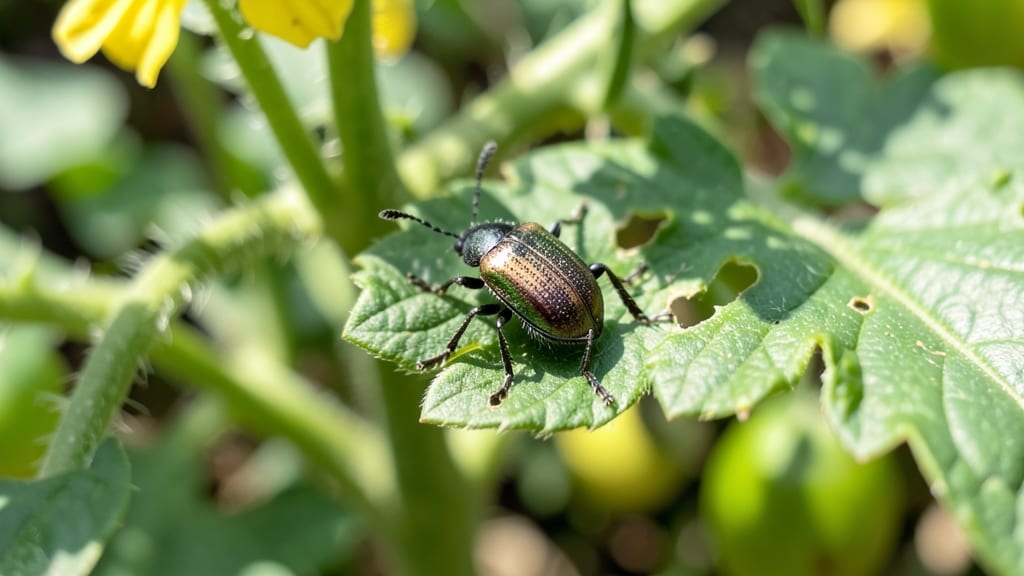
Those tiny black specks chewing your tomato plants into lace? 🌱 How to get rid of flea beetles on them fast—neem oil creates a barrier that stops them in their tracks, often within 24 hours of application.
I’ve battled these pests for years, and this method saved my plants from skeletonized foliage when nothing else worked. The key is timing and coverage: spray neem oil at dusk when beetles are active, focusing on the undersides of leaves where they hide.
Mix it right (1 tablespoon per quart of water), and you’ll see fewer holes by morning. The oil disrupts their feeding cycle without harming bees or beneficial insects. What you’ll end up with is tomato plants that keep growing strong while the beetles move on.
The leaves stay intact, photosynthesis continues, and your plants focus energy on fruit instead of repair. No more sad, Swiss-cheese foliage ruining your harvest. Works for both garden beds and containers, and the solution lasts 7-10 days with reapplication.
Here’s exactly how to mix, apply, and reinforce the barrier for lasting protection.
Root Causes of Flea Beetle Attacks
Flea beetles don’t just randomly munch on your tomato plants—they’re drawn by a mix of environmental, biological, and agricultural factors. Understanding these triggers is the first step to stopping their damage. Here’s why these tiny pests target your garden like a buffet.
Flea beetles thrive when tomato plants are weak or struggling. Here’s why:
- Thin or sparse foliage: Beetles prefer young, tender seedlings because their soft leaves are easy to chew. When plants are crowded, competition for nutrients weakens them, making them more vulnerable.
- Nutrient deficiencies: Plants lacking nitrogen (a key component of chlorophyll) appear pale or stunted. Flea beetles detect these deficiencies and zero in on stressed plants for an easier meal.
- Drought stress: Even slight dehydration makes tomato leaves less resilient. Beetles can sense the increased sugar content in stressed plants, which signals "easy pickings."
Actionable insight: Space tomato plants properly (18–24 inches apart) and water consistently to keep them robust. A healthy plant is less appealing to pests.
Flea beetles are opportunistic feeders, but they have preferences—especially when it comes to their environment. Here’s what attracts them:
- Warm, sunny microclimates: These beetles love temperatures between 70–85°F (21–29°C). If your garden is a warm, sunny spot, you’re creating a flea beetle paradise.
- Sandy or loose soil: Adult flea beetles emerge from the ground in spring, and sandy soil makes it easier for them to burrow and reproduce. Compacted clay soil, on the other hand, can limit their numbers.
- Weedy or unkempt areas: Flea beetles often hide in weeds like purslane, pigweed, or mustard. If your garden borders a patch of wild growth, you’re basically rolling out the welcome mat.
Actionable insight: Mulch around tomato plants to moderate soil temperature, and clear weeds within a 10-foot radius to reduce hiding spots.
Flea beetles don’t just appear out of nowhere—they follow a predictable life cycle that aligns with your tomato plant’s growth stages. Here’s how it works:
| Stage | When It Happens | Why It Matters |
|---|---|---|
| Egg Stage | Late spring (when soil warms) | Females lay eggs in the soil near host plants. If your garden has any tomato seedlings, they’ll target them first. |
| Larva Stage | Summer (underground) | Larvae feed on roots, further weakening plants. You might not see them, but their damage accumulates. |
| Adult Stage | Late summer to fall | Adults chew leaves, creating the telltale "shot-hole" pattern. They also mate and lay eggs for the next generation. |
Actionable insight: Monitor your garden in late spring (when eggs hatch) and early summer (when adults emerge) for early intervention.
Even well-meaning gardening habits can accidentally create a flea beetle buffet. Here’s how:
- Over-fertilizing with nitrogen: While nitrogen promotes leafy growth, it can make plants too soft, making them more susceptible to chewing. Flea beetles prefer plants that are easy to penetrate.
- Planting tomatoes in the same spot yearly: Flea beetles remember (and return to) their favorite feeding grounds. Crop rotation disrupts their life cycle.
- Using broad-spectrum pesticides: These can kill natural predators like lacewings, ladybugs, and ground beetles, leaving flea beetles unchecked.
Actionable insight: Rotate crops annually, use balanced fertilizers (with phosphorus and potassium), and opt for targeted organic controls to protect beneficial insects.
Now that you know why flea beetles are crashing your tomato party, the next step is learning how to evict them—starting with a neem oil barrier that stops their chewing in its tracks.
Fast Fixes for Flea Beetle Damage
Flea beetles may be tiny, but their chewing can leave your tomato plants looking like Swiss cheese—frustrating, right? The good news? You can stop the damage fast with targeted solutions.
Below, we break down the most effective fixes based on the root cause of your infestation, from quick fixes to long-term prevention.
If you’ve spotted fresh holes or adult beetles darting around, act fast with these first-line tactics:
🍳 Handpick & Trap Them (Best for Small Gardens)
- Why it works: Flea beetles are slow fliers and easy to spot on light-colored surfaces.
- How to do it:
- Morning patrol: Check plants early when beetles are sluggish (they hide in soil during the day).
- Shake them out: Gently tap plants over a bucket of soapy water (1 tbsp dish soap + 1 gallon water).
- Use a trap: Place a yellow sticky trap near plants—they’re attracted to the color and get stuck.
- Pro tip: 💡 Wear gloves to avoid skin irritation from beetle secretions.
👨🍳 Cover Plants for Protection (Best for Seedlings)
- Why it works: Young tomato plants are most vulnerable. Physical barriers block beetles before they chew.
- How to do it:
- Row covers: Use floating row covers (lightweight fabric) over seedlings.
Secure edges with soil or weights. - Collars: For individual plants, wrap cardboard collars (cut from toilet paper rolls) around stems, burying the bottom 1 inch. - DIY shade cloth: Stretch fine mesh netting (like tulle) over cages or hoops. - Pro tip: 🌡️ Remove covers when plants flower to allow pollination (or hand-pollinate with a paintbrush).
🥘 Spray Barriers (Best for Organic Growers)
Neem oil isn’t just a repellent—it’s a sticky, bitter shield that deters beetles and disrupts their life cycle.
- Recipe: - Mix 2 tbsp neem oil + 1 tsp mild castile soap + 1 quart water in a spray bottle. - Shake well and spray undersides of leaves (where beetles hide) and stems at dusk or dawn (avoid direct sun to prevent leaf burn). - Reapply: Every 5–7 days or after rain.
Add 1 tbsp garlic oil for extra repellent power. - Pro tip: ✨ For stubborn infestations, spray kaolin clay (a natural mineral) mixed with water—it creates a protective film.
If your plants look skeletal or beetles keep returning, escalate with these stronger methods:
🌱 Rotate Crops & Clean Up Debris
- Why it works: Flea beetles overwinter in garden debris and return to familiar spots.
- How to do it:
- Remove old plants: Pull up infested tomatoes and compost them away from the garden (or burn them).
- Rotate crops: Avoid planting tomatoes, peppers, or eggplants in the same spot for 3+ years.
- Till soil: In fall, till the top 6 inches to expose pupae to predators (birds, ground beetles).
- Pro tip: 🎯 Plant marigolds or nasturtiums nearby—they repel beetles and attract beneficial insects.
💪 Introduce Natural Predators - Why it works: Nature’s pest control!
Ladybugs, lacewings, and parasitic wasps devour flea beetles. - How to do it: - Buy predators: Purchase ladybug larvae or lacewing eggs from garden centers. - Create habitat: Add mulch, rocks, or a small water source to attract them. - Avoid pesticides: These kill beneficial bugs too—stick to neem, diatomaceous earth, or insecticidal soap.
🔪 Last Resort: Chemical Controls (Use Sparingly)
If organic methods fail, pyrethrin-based sprays (derived from chrysanthemums) can provide quick knockdown.
- How to use:
- Spray at dusk when beetles are active.
- Reapply every 7–10 days (follow label instructions).
- Warning: 🚨 Can harm bees—avoid spraying when flowers are open.
The best defense? Avoid inviting them in the first place.
| Prevention Tip | How to Do It |
|---|---|
| Choose resistant varieties | Plant ‘Mountain Merit’ or ‘Defiant PhR’ tomatoes—they’re bred to tolerate damage. |
| Start strong seedlings | Use transplants (not seeds) to give tomatoes a head start over beetles. |
| Mulch heavily | Apply straw or grass clippings to keep soil moist—beetles prefer dry, cracked earth. |
| Water deeply | 1–2 inches per week reduces stress, making plants less appealing. |
| Interplant with repellents | Surround tomatoes with basil, thyme, or dill—beetles dislike their scent. |
Final Thought: Flea beetles are a nuisance, but with layered defenses—trapping, barriers, and prevention—you can save your tomatoes without resorting to harsh chemicals. Start with neem oil and row covers, then add predators for long-term control. Your plants (and your sanity) will thank you! 🍅💪
Frequently asked questions
Why do flea beetles target young tomato seedlings first?
New seedlings have tender, soft leaves that are easy for flea beetles to chew through. Their thin cell walls make them an irresistible snack compared to mature plants with tougher foliage. The beetles also detect higher moisture content in young plants, which signals easy feeding.
How long does it take for neem oil to repel flea beetles?
You’ll typically see a noticeable reduction in chewing within 24 hours of application. The oil creates a bitter barrier that deters beetles immediately, though reapplication every 5-7 days maintains effectiveness. For severe infestations, combine with physical barriers like row covers.
Can I use diatomaceous earth on tomato plants?
Yes, but with caution! Lightly dust the soil around plants (not leaves) to target crawling larvae. The sharp particles dehydrate beetles, but they must make direct contact. Reapply after rain, and avoid using when bees are active—it can harm them too.
Will flea beetles damage tomato fruits?
While they primarily feed on leaves, severe infestations can chew small holes in green tomatoes when other foliage is scarce. Mature red fruit is rarely affected, but young fruit may develop cosmetic damage. Focus on protecting leaves first to ensure plant health and fruit development.
What's the best time of day to apply neem oil?
Apply at dusk or dawn when temperatures are cooler and beetles are most active. Avoid spraying during peak sun (10am-4pm) to prevent leaf burn. The oil works best when it can dry slowly on plant surfaces, creating an effective barrier.