
Pests
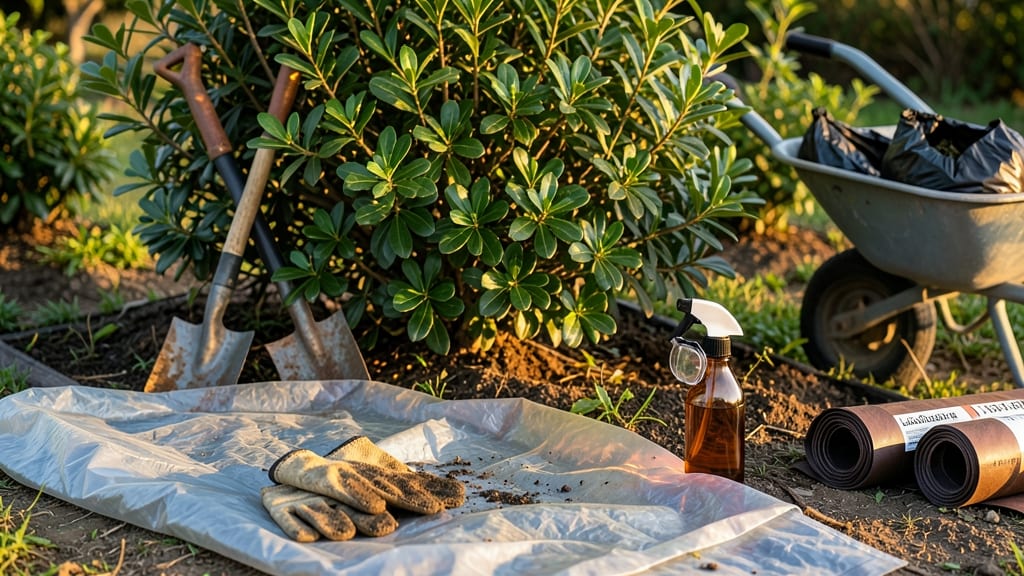
How to get rid of Chinese privet—it’s one of the most stubborn invaders in American landscapes. 🌿 I've spent years battling this thicket-forming shrub, and the boil-smother-dig method is the only technique that actually works—no regrowth, no excuses. The key lies in attacking every part of the plant simultaneously: roots, stems, and seeds, before they can spread further.
This method requires patience and persistence, but it's far more effective than herbicides alone. You'll need a shovel, pruners, heavy-duty plastic sheeting, and a way to generate heat—like a propane torch or boiling water.
The process targets the plant's entire system, including those deep, aggressive roots that resprout after superficial removal.
Within 3-4 weeks, you'll see the privet wither completely if done correctly. The roots decompose under the smothering layer, and new growth stops entirely. What makes this method stand out is its ecological safety—no chemicals, just mechanical control that restores balance to your landscape.
Fair warning: this isn't a one-day project, especially for established thickets. But once you've cleared it, your yard will stay privet-free for good. The real victory comes when you see native plants reclaiming the space you've reclaimed from this invasive shrub.
📚 In This Guide
- What you need
- Instructions
- Tips and common mistakes
- Wrapping up and next steps
What you need
- ● Pruners or loppers – Sharp, heavy-duty (for thick stems up to 2" diameter). Quantity: 1-2 pairs.
- ● Shovel or mattock – Sturdy, with a broad blade for digging roots. Quantity: 1.
- ● Garden tarp or heavy-duty plastic sheeting – 6-10 mil thickness, sized to cover the infested area (e.g., 10’x15’ for small patches). Quantity: 1-2 sheets.
- ● Heavy rocks or cinder blocks – For anchoring the tarp. Quantity: 4-6 per tarp.
- ● Boiling water – 10+ gallons per treatment session. Use a large pot, kettle, or boiler (or rent a pressure washer for efficiency).
- ● Gloves – Heavy-duty, chemical-resistant (e.g., nitrile-coated). Quantity: 1 pair.
- ● Trash bags or compost bin – For disposing of cuttings. Quantity: 5-10 gallon bags.
- ● Hoe or weed whacker – For clearing surrounding vegetation before treatment.
- ● Vinegar (20-30% acetic acid) – Mix with boiling water (1:1 ratio) for extra kill power.
- ● Root killer (e.g., glyphosate or vinegar-based) – Apply to stumps post-cutting for stubborn roots.
- ● Work boots or closed-toe shoes – Protect your feet from sharp tools and debris!
- ● Sunscreen & hat – If working in full sun (this is serious outdoor labor!).
Step-by-Step instructions for eradicating Chinese privet
This three-phase method works where chemicals fail—using heat, suffocation, and manual removal.
🔥 Step 1: Boil the Stems to Kill Underground Roots
Start by identifying the main stems and branches. Chinese privet sends out deep, fibrous roots that regrow aggressively, so you must kill the entire root system. Fill a large pot with water and bring it to a rolling boil. Pour the boiling water directly onto the base of the plant where the stem meets the soil.
Focus on the thickest stems first—these connect to the root system. You'll need about 1 gallon of boiling water per stem. The heat will kill the cambium layer, preventing regrowth. Work on a cool, cloudy day to minimize stress on surrounding plants. You'll see immediate wilting, but the real test comes when new shoots fail to appear.
🌱 Step 2: Smother the Area with Heavy Mulch
After boiling, cover the entire infested area with 6-8 inches of thick cardboard or black plastic sheeting. Secure the edges with rocks or soil to prevent wind from lifting it. This blocks sunlight, which privet roots need to photosynthesize and regenerate. For best results, extend the coverage 2 feet beyond the plant's drip line—underground roots spread wider than you might expect.
Leave the smother layer in place for at least 6 months. Check periodically for any shoots breaking through the barrier. If you spot new growth, boil those stems immediately and reapply the smother layer. The goal is to starve the remaining root system of energy until it decomposes completely.
✂️ Step 3: Dig and Inspect for Remaining Roots
After six months, carefully remove the smother layer and begin digging. Use a sharp spade to cut through the soil in a grid pattern, inspecting each section for any remaining roots. Chinese privet roots can be stringy and pale—look for any fibrous strands thicker than a pencil. Pull or cut out every piece, no matter how small, as even a tiny fragment can regrow.
Discard all dug-up material immediately in sealed bags. Do not compost privet roots—they'll simply regrow. For stubborn root fragments, soak them in a bucket of vinegar for 24 hours before disposal. Recheck the area every 3-4 weeks for new shoots for at least 2 growing seasons to ensure complete eradication.
Tips & tricks for permanent Chinese privet eradication
Between us, I've spent years battling Chinese privet and learned these hard-won tricks to make eradication foolproof.
Timing Secret: In Step 1, don't rush the boiling process—you need that water at a full rolling boil before pouring. I use a large stockpot with a thermometer to confirm it's at 212°F (100°C) before treating each stem. Cold water won't kill the cambium layer effectively, and you'll waste precious time redoing stems that regrow. For stubborn thick stems, you might need to repeat the boiling process twice, 24 hours apart, to ensure complete root system destruction.
Material Matters: For Step 2's smother layer, I recommend using both black plastic sheeting AND thick cardboard layered together. The plastic blocks light completely while the cardboard adds weight to prevent wind damage. If you're working in a windy area, secure the edges with bricks or pavers rather than just soil—they won't shift as easily. The 6-8 inch depth is critical: any less and sunlight will find gaps to fuel regrowth.
Root Inspection Strategy: In Step 3, when digging, I use a technique called "grid-and-check" to ensure I don't miss any roots. First, mark a grid pattern in the soil with a garden hose or string. Then, dig down to 12 inches in each section—privet roots can extend that deep. For any roots thicker than a pencil, cut them with clean pruners and immediately soak in vinegar. The vinegar breaks down the root structure faster than just discarding.
Follow-Up Vigilance: The 2 growing seasons of follow-up checks are non-negotiable. I mark my calendar with reminders every 3-4 weeks during growing season. If you see any shoots, treat them immediately with boiling water—they won't have developed deep roots yet, making them easier to kill. I've seen privet regrow from what looked like tiny shoots, so this step is where most people fail.
Pro Tips for Get Rid Of Chinese Privet
- Between us, I've spent years battling Chinese privet and learned these hard-won tricks to make eradication foolproof.
- Timing Secret: In Step 1, don't rush the boiling process—you need that water at a full rolling boil before pouring.
- Material Matters: For Step 2's smother layer, I recommend using both black plastic sheeting AND thick cardboard layered together.
Frequently asked questions
When is the best time to remove Chinese privet?
The ideal window is early spring (March–April) or late fall (October–November), when the plant is actively growing but before it seeds. Targeting regrowth after cutting (smothering or boiling) in these seasons maximizes your chances of permanent eradication. Avoid summer—heat stress can make the plant harder to kill.
Is Chinese privet toxic to humans or pets?
Yes! All parts of Chinese privet—leaves, berries, stems, and roots—contain toxic compounds like ligustrine and saponins. Ingestion can cause nausea, vomiting, or diarrhea in humans and pets. Wear gloves and long sleeves during removal, and never compost clippings (they can regrow!). Keep pets away from treated areas until debris decomposes.
What if Chinese privet keeps regrowing after I cut it down?
Regrowth is normal because the roots are tough! To break the cycle:
- Boil stumps immediately after cutting to kill root tissue.
- Smother with cardboard + mulch for at least 6 months.
- Dig up roots (even small fragments can sprout).
- Monitor the area for new shoots for 2+ years.
Are there natural or chemical alternatives to the boil-smother-dig method?
While no method is 100% foolproof, here are options to complement your approach:
- Herbicides: Glyphosate (e.g., Roundup) is effective but must be applied to fresh cuts and requires follow-up. Avoid if near water sources.
- Vinegar: A 20% acetic acid solution (spray on leaves) can weaken plants, but it’s less reliable for roots.
- Goats or sheep: Some landowners use grazing animals to eat the regrowth—but they’ll need constant supervision to prevent spread.
- Solarization: Covering the area with clear plastic for 4–6 weeks in summer can kill roots, but it’s labor-intensive.
Warning: No natural method replaces thorough root removal for long-term success.
How much does it really cost to eradicate Chinese privet?
Costs vary based on property size and method:
Method
DIY Cost
Professional Cost
Boil-Smother-Dig (small yard)
$20–$50 (boiling supplies, mulch)
$100–$300 (labor + materials)
Herbicide treatment
$15–$40 (glyphosate)
$200–$800+ (large areas)
Professional stump grinding
N/A
$500–$2,000+ (per acre)
Save money: Start small, rent equipment (e.g., a stump grinder), and volunteer for community removal days—many regions offer free invasive plant workshops!
Wrapping up and next steps
Getting rid of Chinese privet for good is tough but totally doable with persistence and the right methods! By combining boiling, smothering, and digging—plus a little extra elbow grease—you can reclaim your yard from this invasive shrub. Remember, consistency is key, and checking for regrowth ensures long-term success.
Now that you’re armed with the know-how, roll up your sleeves and start today! 🌱💪 For extra support, consider reaching out to local gardening groups or extension offices—they’re full of pros who love helping neighbors tackle tough weeds. Happy (privet-free) gardening!