
Pests
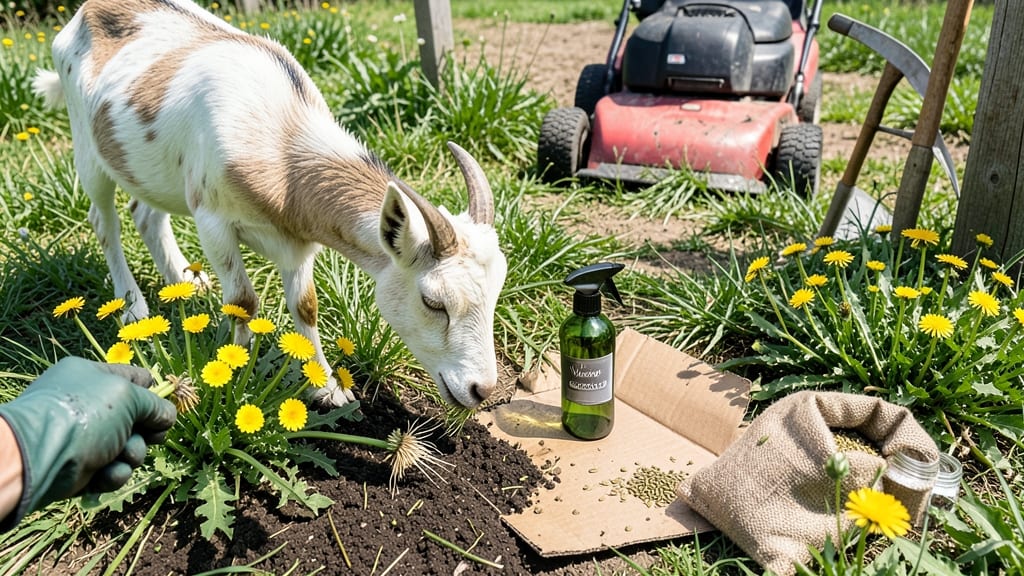
How to get rid of buttercups in pasture naturally—turning that yellow sea of weeds into lush green grass without chemicals is easier than you think. That saltwater spray trick actually works: targeted control that disappears weeds in days without harming your grass. The secret lies in timing and technique. Spray buttercups with a 50/50 saltwater mix when they're young (pre-flowering) and repeat every 3-4 days until they wilt. The salt disrupts their cell structure while letting your pasture recover. For stubborn patches, combine with manual pulling or smothering with cardboard for a two-pronged attack. You'll see results within 5-7 days—no more bright yellow blooms ruining your grazing land. The pasture stays lush, livestock stay safe, and you avoid the long-term damage of chemical herbicides. Works best in spring or fall when buttercups are actively growing but before they spread seeds. For large pastures, rent a backpack sprayer—this method scales surprisingly well. Ready to reclaim your grass? Here's exactly how to do it safely.
Root Causes of Buttercup Spread
Buttercups may seem like harmless wildflowers, but when they invade pastures, they can outcompete grasses, reduce forage quality, and even pose risks to livestock. Understanding why these bright yellow invaders take over is the first step to stopping them naturally.
Below, we break down the key factors—from soil conditions to management mistakes—that create the perfect storm for buttercup dominance.
Buttercups thrive in disturbed or nutrient-rich soils, particularly those with:
- Excess nitrogen (from synthetic fertilizers, manure, or legume crops)
- Compacted or poorly drained soil (where grasses struggle to establish roots)
- Low organic matter (leading to weak turf competition)
Why it matters: Buttercups are opportunistic weeds—they germinate in gaps left by stressed or thin grasses. If your pasture lacks a dense, healthy sod layer, buttercups fill the void. Over-fertilizing with nitrogen (common in hayfields or high-production pastures) further fuels their growth by giving them a competitive edge over clover and grasses.
Actionable insight: Test your soil’s pH and nutrient levels. Aim for a balanced approach: moderate nitrogen, proper phosphorus/potassium ratios, and organic matter (like compost or cover crops) to strengthen grass roots and crowd out buttercups naturally.
Livestock grazing—while essential for pasture health—can accelerate buttercup spread if not managed properly.
Here’s how: - Short, frequent grazing prevents grasses from maturing, leaving bare patches for buttercups to colonize. - Selective grazing (animals avoid bitter or fibrous grasses, eating only tender buttercups and clover) creates a feedback loop where buttercups dominate. - Heavy stocking rates deplete forage faster than grasses can recover, opening up space for weeds.
Why it matters: Buttercups produce thousands of seeds per plant and germinate year-round. If grasses are weak or sparse, these seeds find ideal conditions to sprout and multiply. A pasture with <50% grass cover is especially vulnerable.
Actionable insight: Implement rotational grazing to allow grasses to recover. Aim for at least 3–4 inches of stubble after grazing to protect roots. Diversify forage species (e.g., add fescue or orchardgrass) to reduce buttercup-friendly gaps.
Physical disturbances—whether from machinery, erosion, or construction—create perfect entry points for buttercups.
Common triggers include: - Plowing or tilling (disrupts soil structure and seed banks). - Foot traffic (from livestock or equipment compacting soil). - Erosion or water runoff (exposes bare soil and seeds). - Old fence lines or trails (where soil is trampled and grasses thin).
Why it matters: Buttercups are pioneer species, meaning they’re among the first plants to colonize disturbed areas. Their deep taproots (up to 18 inches) let them access water and nutrients in compacted or eroded zones where grasses can’t compete.
Actionable insight: Minimize tillage and use no-till seeding or hydroseeding to repair bare spots. For trails or high-traffic areas, install gravel or mulch to prevent soil disturbance. Plant deep-rooted grasses (like smooth brome or timothy) to outcompete buttercups long-term.
Buttercups don’t just spread from existing plants—they lie dormant in the soil for years, waiting for the right conditions.
Key factors: - Animal movement: Livestock (especially sheep and cattle) ingest seeds, which pass undigested and deposit them elsewhere in manure. - Wind and water: Light seeds (0.005–0.01 oz each) travel easily, while water runoff spreads them to lower-lying pastures. - Long viability: Buttercup seeds can remain dormant for 5–10+ years, meaning one infestation can resurface after years of inactivity.
Why it matters: Even if you remove visible buttercups today, hidden seeds may germinate later if conditions improve (e.g., after a drought or fertilizer application). A single plant can produce up to 2,500 seeds, ensuring a steady supply of invaders.
Actionable insight:
- Isolate infested areas with livestock to prevent seed spread.
- Mow or till before seed maturity (late spring to early summer) to cut off reproduction.
- Solarize soil (cover with clear plastic for 6–8 weeks in summer) to kill dormant seeds if replanting.
Natural Pasture Revival Methods
Now that you understand why buttercups take over your pasture, let’s tackle the solutions—without harsh chemicals. These methods are practical, cost-effective, and designed to restore your land naturally. Here’s how to match the problem to the fix, plus prevention tips to keep buttercups from staging a comeback.
Buttercups thrive in open spaces where sunlight hits the ground. If they’ve already spread, starve them of light to weaken their grip.
✅ Solution: Heavy Mulching or Cover Crops
- 🔥 Spread thick mulch (straw, wood chips, or even cardboard topped with soil) over infested areas. This blocks sunlight, forcing buttercups to die back within 4–6 weeks.
- 🌾 Plant competitive cover crops like clover, ryegrass, or alfalfa. These grow quickly, outshading buttercups and improving soil health.
- 💡 Pro Tip: Use a sod cutter to lay down new grass seed mix—this smothers existing buttercups while establishing a dense, healthy turf.
🔄 Prevention: Mow high (3–4 inches) to shade soil and discourage buttercup seeds from germinating.
Buttercups are extremely sensitive to salt, and a homemade saltwater spray can dissolve them in just days—no residue, no regrowth.
🍳 DIY Saltwater Spray Recipe
| Ingredient | Amount | Purpose |
|---|---|---|
| Salt | 2 cups | Disrupts cell structure |
| Water | 1 gallon | Carrier for even distribution |
| Dish soap | 1 tbsp | Helps solution stick to leaves |
| Optional: Vinegar | ½ cup (white) | Boosts effectiveness (acidic pH) |
👨🍳 Step-by-Step Application
- Mix thoroughly in a spray tank or large bucket.
- Spray directly on buttercups (avoid overspray on desirable plants).
- Reapply every 3–4 days until yellowing occurs (usually 5–7 days).
- Rake or till dead plants into the soil to prevent reseeding.
⏰ Best Time to Spray: Early morning or late evening to minimize evaporation and sun damage to your sprayer.
⚠️ Warning: Avoid spraying near water sources or edible crops—salt can harm soil long-term if overused.
Buttercups hate heat, and soil solarization uses the sun’s power to cook them out.
🔥 How to Solarize
- Clear the area of debris and mow low.
- Water thoroughly to saturate the soil.
- Cover with clear plastic (6–8 mil thickness) and secure edges with soil or rocks.
- Leave for 4–6 weeks (peak summer heat works best).
- Remove plastic, till the soil, and replant with grass or clover.
🎯 Best For: Small, contained patches where you can trap heat effectively.
For small infestations, pulling buttercups by hand is 100% effective—if done right.
🔪 How to Pull Them Properly
- Wear gloves (buttercup sap can irritate skin).
- Grab the base (not just the flower) and twist to loosen the root.
- Inspect for root fragments—even a tiny piece can regrow.
- Bag and dispose of plants (don’t compost—seeds can survive).
- Reseed immediately with grass or clover to fill the gap.
✨ Pro Tip: Pull after rain when soil is soft, or use a weeding knife for stubborn roots.
The key to permanent control is healthy pasture management. Here’s how to make your land unwelcoming to buttercups:
- 🌿 Maintain dense grass cover – Buttercups can’t compete with thick, healthy turf.
Aim for 70–80% ground coverage. - 🌱 Overseed bare spots – Use a mix of white clover and perennial ryegrass to outcompete weeds. - ⏳ Adjust mowing height – Keep grass 3–4 inches tall to shade soil and prevent seed germination. - 🐄 Manage livestock grazing – Rotate pastures to avoid overgrazing, which creates open spaces for buttercups. - 🌱 Test soil pH – Buttercups love slightly acidic soil (pH 6.0–6.5).
Adjust with lime if needed to pH 6.5–7.0 to favor grasses.
For large or stubborn infestations, layer these approaches for best results:
| Problem | Recommended Fix | Follow-Up |
|---|---|---|
| Small patches | Manual pull + solarization | Overseed with clover |
| Medium spread | Saltwater spray + mulching | Mow high to smother regrowth |
| Large pasture takeovers | Cover crops + saltwater spray + livestock rotation | Soil test & adjust pH |
Final Reminder: Consistency is key—buttercups return if you stop mid-treatment. Stay vigilant, and your pasture will bounce back lush and buttercup-free! 🚀
Frequently asked questions about natural buttercup removal
Can I use vinegar alone to kill buttercups?
Yes, but it’s less effective than saltwater alone. A 20% vinegar solution (1 part vinegar to 4 parts water) works best, but you’ll need to reapply more frequently. For faster results, combine it with 1 tablespoon of dish soap to improve adhesion. The acidity burns the leaves, but saltwater’s osmotic effect disrupts cell structure more thoroughly. Test on a small area first—vinegar can harm nearby plants if oversprayed.
How soon will I see results with saltwater spray?
You’ll typically notice wilting within 24–48 hours, with full browning in 5–7 days if applied correctly. Reapply every 3–4 days during this window for best results. The key is consistency—saltwater works by dehydrating the plants, so repeated applications break down their resistance faster. Early morning or evening spraying minimizes evaporation and maximizes effectiveness.
Will saltwater spray harm my grass or other plants?
When used carefully, no—but overspray can damage desirable plants. Always apply directly to buttercups using a spray nozzle with a fine mist setting. Avoid spraying on windy days, and protect nearby crops or flowers with cardboard barriers. For grassy areas, consider spot-treating only the worst patches. If you’re concerned, test a small, hidden area first. Saltwater is safe for soil long-term if used sparingly.
What’s the best time of year to tackle buttercups?
Target buttercups in early spring or fall when they’re actively growing but before they spread seeds. Late spring (May–June) is ideal for saltwater spraying, as the plants are young and vulnerable. Avoid treating during drought or extreme heat, as stressed plants may recover more easily. For solarization, wait until summer when temperatures consistently exceed 85°F for maximum effectiveness.
How do I prevent buttercups from coming back after treatment?
Prevention requires a multi-step approach: reseeding with competitive grasses (like clover or ryegrass), maintaining 3–4 inches of grass height to shade soil, and avoiding over-fertilization with nitrogen. Test your soil’s pH—adjusting to 6.5–7.0 discourages buttercup growth. Rotate livestock grazing to prevent bare patches, and remove any new buttercups immediately. Consistency is key—even a few surviving plants can reseed and restart the cycle.