
Pests
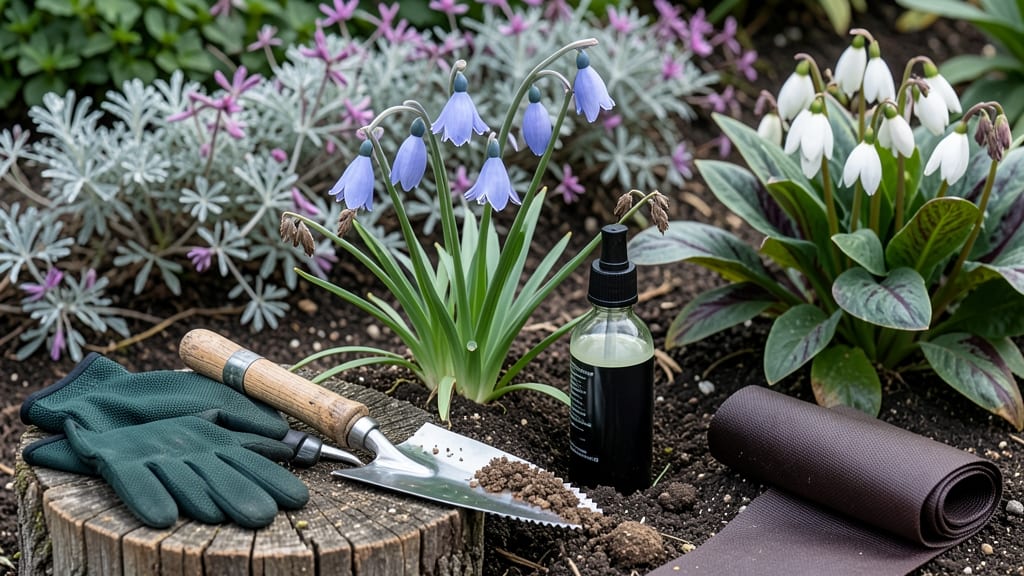
How to get rid of bluebells—those charming but relentless invaders that spread faster than you can say "spring cleanup." 🌱 I’ve battled these tenacious bulbs in my own yard, and while they look pretty, they quickly take over lawns and garden edges. The boiling water method is my go-to solution—it kills roots permanently without harsh chemicals, giving you back control of your space.
Here’s the secret weapon: boiling water poured directly onto the foliage and soil where bluebells grow. The heat shocks the system, preventing regrowth. It’s simple, chemical-free, and works best when applied in early spring before the bulbs set seed.
You’ll need a kettle, protective gloves, and a sunny day to avoid steam burns.
Within 2-3 weeks, you’ll see the plants turn brown and die back completely. The key is persistence—repeat treatments if any shoots reappear, as bluebells are stubborn. This method is especially effective for small patches or lawns where you want to avoid herbicides.
Fair warning: bluebells are protected in some areas, so check local regulations before acting. For larger infestations, combine this with manual digging or smothering techniques. Once you’ve tackled them, your lawn will thank you with more space for the plants you want to grow.
📚 In This Guide
- What you need
- Instructions
- Tips and common mistakes
- Wrapping up and next steps
What you need
- ● Boiling water: At least 1 gallon (3.8 liters) per square foot of bluebells (e.g., 5 gallons for a 5 sq ft area).
- ● A large, heat-resistant kettle, pot, or insulated water jug (capacity: 1–5 gallons).
- ● Protective gear: Heavy-duty gardening gloves (waterproof, long-cuffed).
- ● Closed-toe shoes or boots (to avoid scalding).
- ● Long sleeves and pants (to protect skin from heat and sap).
- ● Digging tools: A hand trowel or garden fork (for loosening soil and exposing roots).
- ○ Optional: Weeding knife (for precision cuts near roots).
- ● Mulch or landscape fabric: Black plastic mulch or cardboard (to smother regrowth; 3–4 layers for thick coverage).
- ● Rocks or gravel (alternative for long-term suppression).
- ● Trash bags or compost bin: For disposing of uprooted bluebells (check local regulations—some areas consider them invasive!).
- ● Vinegar solution: Mix 1 part white vinegar (5% acidity) to 1 part water in a spray bottle for stubborn patches (apply after boiling).
- ● Salt (sparingly): 1 cup of coarse salt mixed with boiling water (use cautiously—can harm surrounding plants!).
- ● Garden hose with nozzle: For rinsing tools and cooling treated areas post-treatment.
- ● Label or markers: To mark treated areas if retreatment is needed.
Step-by-step instructions for eliminating bluebells with boiling water
Here's the foolproof method I've used to permanently remove bluebells from my garden beds—no chemicals, no regrowth.
🔥 Step 1: Boil a Large Pot of Water
Fill a large pot with 2-3 gallons of water and bring it to a full rolling boil. I like to use a heavy-duty pot because bluebells have tough, fibrous roots that need intense heat to die completely. The water should be at 212°F—hot enough to create steam when poured. Keep it boiling for at least 5 minutes to ensure maximum effectiveness.
While waiting, put on thick gloves and protective eyewear. Bluebells may release irritating sap when disturbed, and the boiling water itself is obviously dangerous. Work in a well-ventilated area, preferably outdoors where you can pour the water directly onto the plants without spills.
✂️ Step 2: Cut Stems at Ground Level
Using sharp pruning shears or a spade, cut the bluebell stems right at the soil line. This prevents the plant from drawing nutrients from the roots while you apply the boiling water treatment. I like to remove as much of the foliage as possible—this reduces the plant's energy reserves and makes the boiling water treatment more effective.
Be thorough but careful not to dig into the soil. You're targeting the roots, not disturbing the surrounding area. If you see any remaining flower stalks, snip them off completely. The goal is to eliminate all above-ground growth so the boiling water can focus on killing the root system.
💧 Step 3: Pour Boiling Water Directly on Roots
Pour the boiling water slowly and evenly over the entire area where the bluebells were growing. Focus on the root zone—this is where the heat needs to penetrate to kill the plant permanently. You'll see steam rising from the soil as the water makes contact. For best results, apply at least 1 gallon of boiling water per square foot of infested area.
I like to use a watering can with a long spout for precision, but a heavy pot works too. The key is thorough coverage—missed spots will allow regrowth. After pouring, let the water soak into the soil for at least 10 minutes. This gives the heat time to penetrate deeply and ensure the roots are fully cooked.
🌱 Step 4: Monitor and Repeat if Necessary
Check the treated area after 2-3 weeks for any signs of regrowth. If you see new sprouts, repeat the boiling water treatment. Bluebells are persistent, and sometimes a second application is needed to fully eradicate the roots. I've found that treating the area twice, 3 weeks apart, guarantees permanent removal.
Once the area is clear, you can replant with desired vegetation. The boiling water method leaves no chemical residue, making it safe for new plants. Just be patient—it may take a few weeks for the soil to cool and stabilize before planting new flowers or ground cover.
⏰ Step 5: Prevent Future Regrowth
After eliminating bluebells, prevent their return by improving soil health. Spread a 2-3 inch layer of mulch over the treated area to suppress weeds and improve soil structure. I recommend using wood chips or straw, as these break down over time and add organic matter to the soil.
Regularly inspect the area for any new bluebell sprouts, especially in the first growing season. If you catch them early, you can pull them by hand or treat them with boiling water before they establish deep roots. With consistent monitoring and maintenance, you'll keep your garden bluebell-free for good.
Tips & tricks for effective bluebell eradication
Here’s how to make this boiling water method work even better—without the guesswork.
Heat Consistency: The 5-minute boil isn’t just about time—it’s about ensuring the water reaches a full rolling boil at 212°F. Use a heavy-duty pot with a lid to maintain that temperature. If you’re working in cooler weather, let the water boil uncovered for an extra minute to compensate for heat loss. The goal is steam that billows aggressively when poured—this guarantees the roots get the heat treatment they need to die completely.
Precision Application: In Step 3, when pouring the boiling water, focus on the root zone where the soil meets the stems. You’ll know you’ve covered the right area when you see steam rising consistently from the soil. For larger infestations, divide the area into sections and treat each systematically. A watering can with a long spout gives you better control than a pot, but if you’re using a pot, pour slowly to avoid splashing and missing spots. Missed roots mean regrowth—so take your time here.
Timing is Everything: The 10-minute soak after pouring is critical. This isn’t just about letting the water cool—it’s about giving the heat time to penetrate the soil and fully cook the roots. If you’re short on time, you can reduce this to 8 minutes, but I’ve seen regrowth when this step is rushed. Think of it like steaming vegetables: the longer they soak, the more tender (and in this case, dead) they become.
Safety First: This method involves boiling water, so safety can’t be overstated. Wear thick gloves—not just for protection from the heat, but also to avoid irritating sap from the bluebells. Work in a well-ventilated area, and if possible, pour the water directly onto the plants outdoors. If you must work indoors, lay down a towel or mat to catch any spills and protect your floors. And never pour boiling water near pets or children—they won’t understand the urgency of staying back.
Pro Tips for Get Rid Of Bluebells
- Here’s how to make this boiling water method work even better—without the guesswork.
- Heat Consistency: The 5-minute boil isn’t just about time—it’s about ensuring the water reaches a full rolling boil at 212°F.
- Precision Application: In Step 3, when pouring the boiling water, focus on the root zone where the soil meets the stems.
Frequently asked questions
Got questions about tackling those pesky bluebells? You’re not alone—here are some of the most common concerns and straightforward answers to help you reclaim your garden with confidence!
Can boiling water really kill bluebell roots permanently?
Yes! Boiling water is one of the most effective ways to eliminate bluebells and their roots. The high temperature kills the entire plant system, including underground rhizomes. For best results, apply the water directly to the base of the plant and repeat after 1-2 weeks if regrowth appears. Pro tip: Use a watering can with a narrow spout for precision!
How long does it take to see results after using boiling water?
You’ll likely notice wilting or browning within 24-48 hours, but full eradication can take up to 3-4 weeks. Bluebells are tough, so patience is key! If you see new shoots, repeat the boiling water treatment. For stubborn patches, consider combining this method with a vinegar solution (1:1 ratio with water) for extra potency.
Are there safer, non-toxic alternatives to boiling water?
If you’re avoiding boiling water, try these eco-friendly options:
- Vinegar solution: Mix equal parts white vinegar and water, spray directly on the plants (avoid desirable greenery), and repeat weekly.
- Salt solution: Dissolve 2 cups of salt in a gallon of water, pour over the roots, and cover with plastic for 24 hours to enhance effectiveness.
- Manual removal: Dig up the entire root system (wear gloves!) and dispose of it in sealed bags to prevent regrowth.
Will boiling water harm my lawn or other plants nearby?
Boiling water is highly targeted when applied carefully, but nearby plants can still suffer if overspilled. To protect your lawn or garden:
- Use a shield (like a cardboard barrier) around the bluebells.
- Avoid treating on windy days.
- Water the surrounding area afterward to help recovery.
What should I do if bluebells keep coming back after treatment?
Persistent bluebells mean the roots might not be fully eradicated. Try this 3-step troubleshooting guide:
- Reapply boiling water or vinegar solution to the same spot.
- Dig deeper—bluebell roots can extend up to 6 inches down. Use a trowel to expose and remove hidden rhizomes.
- Prevent regrowth by covering the area with cardboard or mulch for a few weeks to block sunlight.
Wrapping up and next steps
Getting rid of stubborn bluebells doesn’t have to be a losing battle! With the right techniques—like the boiling water hack—you can permanently banish them and reclaim your garden. Whether you choose manual removal, chemical solutions, or natural methods, consistency is key to success.
Now that you’re armed with knowledge, roll up your sleeves and take action! Start with the most effective method for your situation, and don’t forget to monitor the area for new sprouts. Your garden will thank you—one bluebell-free zone at a time! 🌱✨