
Pests
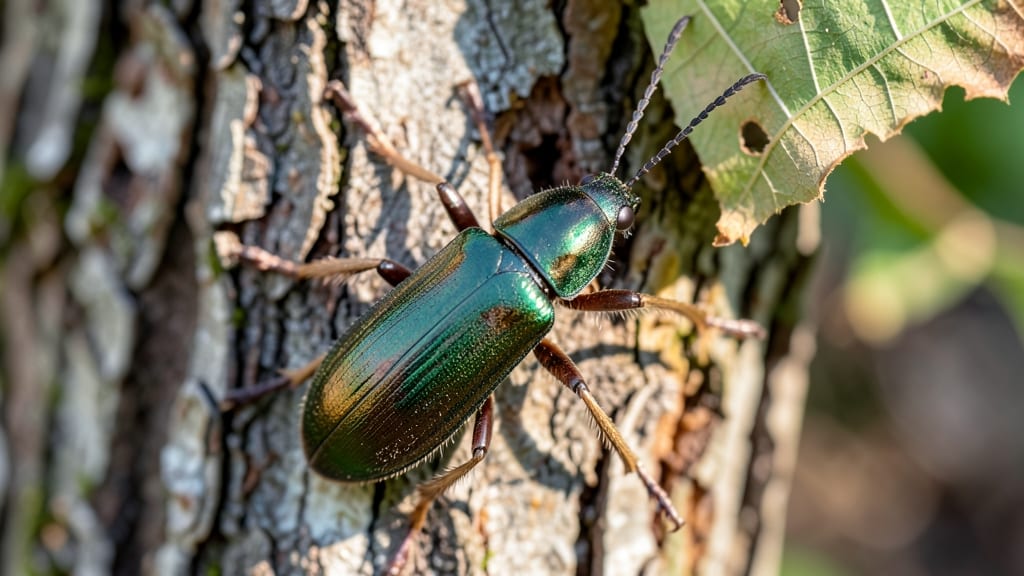
How to get rid of beetles on trees—Japanese beetles turned my lilac tree into skeleton leaves last summer. 🌿 The sight of those shiny green invaders swarming my yard was enough to make me want to reach for the strongest spray—but I found a better way. This three-step method eliminates beetles without harming your trees, your kids, or the bees that pollinate your garden.
The first rule? Don’t panic. Beetles show up when trees are stressed—drought, poor soil, or overcrowding makes them vulnerable. Healthy trees fight back naturally, and the right approach keeps them coming back year after year.
I’ll show you how to spot the signs early and stop the damage before it starts.
By the end, you’ll have a foolproof system to kick beetles off your trees using simple tools you already own—no fancy (or toxic) chemicals required. We’re talking pruning, trapping, and soil boosts that work faster than you’d think.
The best part? Your trees will bounce back stronger, and you’ll save money on replacements.
This works for Japanese beetles, bark beetles, and even those pesky bronze birch borers—just adjust the timing based on when they appear in your area. Let’s get those trees back to thriving.
Root Causes of Tree Beetle Infestations
Beetles don’t just randomly invade your trees—they’re drawn by specific conditions that turn your yard into a five-star hotel. Understanding why they show up is the first step to kicking them out for good. Let’s break down the science behind their unwelcome visits.
Healthy trees have natural defenses—thick bark, strong sap flow, and a robust immune system—but when these weaken, beetles see an open invitation. Here’s how it happens:
- Stress from drought or poor soil: Trees under water stress produce less sap, which is their primary line of defense against beetles. Without enough moisture, their bark becomes brittle and easier to penetrate. Think of it like a parched plant—it’s like a human with low energy, making it an easy target for pests.
- Nutrient deficiencies: Trees lacking essential nutrients (like nitrogen, phosphorus, or potassium) grow slowly and develop thin bark. This makes them vulnerable to beetle attacks, especially from species like the emerald ash borer or mountain pine beetle, which target stressed wood.
- Disease or prior damage: Fungal infections, storm damage, or even old wounds create entry points. Beetles like the bark beetle detect these weak spots using pheromones (chemical signals) and swarm to lay eggs.
Pro Tip: 💡 Conduct a soil test and water your trees deeply during dry spells to keep them resilient.
Beetles thrive in chaos—literally. When trees are packed too closely together (or when a single species dominates your landscape), they create the perfect storm for infestations:
- Limited competition for resources: Dense plantings mean trees compete for sunlight, water, and nutrients, weakening their overall health. Stressed trees = beetle buffet.
- Easier spread of pheromones: Many beetles release attractant pheromones to call in mates. In a monoculture (like a row of identical oak or pine trees), these signals spread rapidly, turning one infested tree into a full-blown outbreak.
- Lack of natural predators: Diverse ecosystems support birds, wasps, and other beetle predators. But in a uniform planting, these predators have fewer food sources, allowing beetle populations to explode.
Pro Tip: ✨ Plant diverse tree species and thin out overcrowded areas to disrupt beetle communication and attract their natural enemies.
Beetles are opportunistic, and their life cycles sync with environmental cues. Here’s how weather and seasons play a role:
| Season | Beetle Activity | Why It Happens |
|---|---|---|
| Spring | Emerald ash borers and bark beetles emerge from overwintering sites. | Warm temperatures trigger their diapause (a dormant state) to end, and they seek fresh hosts. |
| Summer | Peak egg-laying and larval feeding. | High humidity and soft new growth provide ideal conditions for larvae to bore into bark. |
| Fall | Adult beetles prepare for winter, often targeting weakened trees. | Cooler temps reduce tree defenses, making them easier prey. |
| Drought | Increased bark beetle attacks. | Drought-stressed trees produce less resin, a natural repellent, inviting beetles to feed. |
Pro Tip: 🌡️ Monitor your trees during spring and fall—these are the high-risk windows for beetle activity.
Sometimes, we accidentally roll out the welcome mat. Common human mistakes include:
- Moving infested firewood: Beetle larvae can hitchhike in wood and emerge miles from their original site. Never transport firewood across regions!
- Pruning incorrectly: Jagged cuts or wounds left on trees create entry points. Always use clean, sharp tools and seal pruning cuts with pruning paint.
- Ignoring mulch piles or debris: Old stumps, fallen branches, and thick mulch layers provide hiding spots for beetles. Remove these to break their life cycle.
- Over-fertilizing with nitrogen: While nitrogen promotes leafy growth, it can weaken wood structure, making trees more susceptible to borers.
Pro Tip: 🔥 Inspect firewood for beetle holes (look for tiny exit tunnels) and store it away from trees.
Beatle Infestation Fixes
Now that you understand why beetles are invading your trees, it’s time to take action! The good news? You can tackle these pests naturally and effectively with the right approach.
Below, we’ve mapped out practical, step-by-step solutions tailored to the most common causes of beetle infestations—plus prevention tips to keep your trees healthy long-term.
1. Overcrowded or Weak Trees 🌳
Problem: Beetles thrive in stressed or overcrowded trees with poor air circulation. Solution: - Prune strategically 🔪✂️ – Remove dead, diseased, or overgrown branches to improve airflow and sunlight exposure.
Focus on thinning the canopy to reduce hiding spots. - Thin out nearby vegetation 🌿 – If trees are too close to bushes or shrubs, trim back foliage to eliminate beetle highways. - Fertilize properly 🌱 – Use slow-release, organic fertilizers (like compost or worm castings) to strengthen tree roots without overfeeding.
💡 Pro Tip: Water trees deeply but infrequently to encourage deep root growth—beetles love weak, shallow roots!
2. Bark Damage or Wounds 🪓
Problem: Beetles (like bark beetles) exploit fresh wounds to lay eggs. Solution: - Seal wounds immediately 🛡️ – Apply beeswax or tree wound sealant to fresh cuts, broken branches, or storm damage.
This blocks entry points. - Avoid over-pruning ⏰ – Only prune in late winter or early spring when trees are dormant to minimize stress. - Inspect for entry holes 🔍 – Look for tiny holes (1-2mm) in bark.
If found, scrape away infested bark and dispose of it far from your yard.
✨ Quick Fix: Mix 1 part neem oil with 10 parts water, spray on bark, and reapply every 2 weeks to deter beetles.
3. Standing Water or Moisture 💦
Problem: Damp wood attracts fungus beetles and provides breeding grounds. Solution: - Improve drainage 🌧️ – Ensure your yard slopes away from tree bases.
Add gravel or mulch (but keep mulch 6 inches away from the trunk). - Fix leaks or irrigation issues 🚰 – Adjust sprinklers to avoid oversaturating tree roots. - Remove rotting wood 🪵 – Fallen logs or stumps near trees? Chip them up or remove them—they’re beetle buffets!
🎯 Prevention Hack: Plant trees in well-draining soil and avoid overwatering. Most trees prefer 1-1.5 inches of water per week.
4.
Lack of Natural Predators 🐝🐞 Problem: Few birds, ladybugs, or parasitic wasps mean beetles have free rein. Solution: - Attract beneficial insects 🐝 – Plant dill, fennel, or marigolds near trees to lure predator beetles (like ground beetles) and parasitic wasps. - Install birdhouses 🏠 – Birds like woodpeckers and nuthatches love snacking on beetle larvae. - Avoid pesticides 🚫💊 – Chemical sprays kill both pests and predators.
Opt for neem oil, diatomaceous earth, or kaolin clay instead.
🔥 Bonus: Release beneficial nematodes (like Steinernema carpocapsae) into soil—they hunt beetle grubs naturally!
5.
Infested Firewood or Mulch 🪵🔥 Problem: Stored firewood or mulch can harbor beetles that jump to your trees. Solution: - Store firewood 20+ feet from trees 🪵 – Elevate it off the ground and cover it with a tarp. - Use heat-treated mulch 🔥 – Avoid untreated wood chips; opt for cedar, cypress, or rubber mulch (beetle-resistant). - Inspect deliveries 📦 – If you buy mulch or logs, check for tiny holes or sawdust-like frass (beetle poop).
💡 Smart Swap: Use straw or pine needles as mulch—they’re less appealing to beetles.
To keep beetles away for good, make these habits part of your tree care routine:
- ✅ Inspect trees every 2 months for early signs (sawdust, holes, wilting).
- ✅ Mulch correctly – Keep mulch 3-4 inches thick but 6 inches from the trunk.
- ✅ Avoid stressing trees – Don’t compact soil around roots or plant too deeply.
- ✅ Keep your yard clean – Remove fallen leaves, fruit, and debris where beetles hide.
Final Thought: Beetles may be stubborn, but with consistent care and natural defenses, you can reclaim your trees without harsh chemicals. Start with one or two fixes this week, and watch your trees thrive! 🌿💪
Frequently asked questions
What are the first signs of beetle infestation in trees?
Look for tiny holes in the bark (1-2mm wide) or sawdust-like frass (beetle poop) near the base. You might also spot yellowing leaves, wilting branches, or chewed foliage—especially on Japanese beetles. Check for exit holes shaped like "D"s (bark beetles) or clusters of eggs under leaves.
Can I use neem oil to kill beetles on trees?
Yes! Mix 1 tablespoon neem oil with 1 quart water and a drop of dish soap, then spray directly on beetles and bark. Reapply every 7-10 days—it disrupts their life cycle. For severe infestations, combine with kaolin clay to create a physical barrier they can't penetrate.
How do I tell if beetles have already damaged the tree beyond saving?
If you see large patches of dead bark, oozing sap, or crown dieback (top branches dying), the tree may be too far gone. For young trees, check for frass trails under bark—if the tree can't recover in 1-2 growing seasons, consider removal. Consult an arborist if unsure.
Are there beetle traps that actually work?
Yes, but use them strategically! Japanese beetle traps (with pheromones) can help, but place them far from your trees—they often attract more beetles. For bark beetles, tree band traps (sticky bands around trunks) work best. Empty traps weekly and refill lures in spring/fall when beetles are most active.
Can I use vinegar spray to kill beetles on trees?
Vinegar alone won't kill beetles, but a vinegar + water + dish soap mix (1:1 ratio) can deter them temporarily. For better results, combine with neem oil or horticultural oil. Spray in early morning to avoid burning leaves, and reapply after rain. Avoid using on drought-stressed trees.