
Blooming
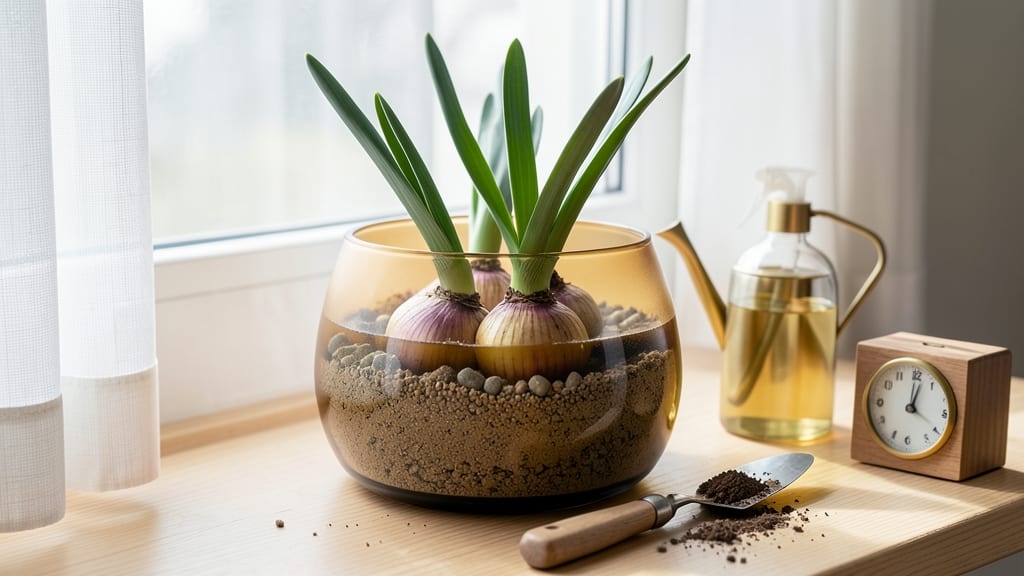
How to force daffodils this winter can turn your quietest months into a burst of bright yellow sunshine on your table by February. 🌱 The secret lies in tricking bulbs into thinking spring has arrived, and it’s simpler than you’d expect. No greenhouse needed, just patience and a cool dark spot for weeks of chilling. You’ll need daffodil bulbs (not hybrid varieties), containers, potting mix, and a way to chill them for 10-12 weeks—your fridge works perfectly. The magic happens when you balance light, moisture, and warmth after chilling, coaxing stems to reach for the light like they’re racing toward spring. By Valentine’s Day, you’ll have vibrant blooms that last weeks in a vase, their cheerful faces lifting any gray winter day. The contrast with outdoor planting is key: forcing skips the groundwork entirely, delivering instant color without waiting for thawing soil. Here’s where most people stumble—weak stems or delayed blooms usually mean chilling wasn’t long enough or light came too soon. But once you nail the timing, forcing becomes a foolproof way to bring spring indoors year after year.
📚 In This Guide
- What you need
- Instructions
- Tips and common mistakes
- Wrapping up and next steps
What you need
- ● Daffodil bulbs: 3–5 fresh, firm bulbs (choose early-blooming varieties like Jonquil or Ice Follies for best results).
- ● Forcing pot: A narrow, deep container (6–8" tall) with drainage holes—terracotta or ceramic works best (e.g., a 6" diameter pot for 3 bulbs).
- ● Pebbles or gravel: 1–2 inches of clean, coarse pebbles (like aquarium gravel) for drainage.
- ● Potting mix: A well-draining blend (like cactus/succulent mix or perlite-heavy soil). Avoid garden soil—it retains too much moisture!
- ● Water: Room-temperature tap or distilled water (chlorine-free if possible).
- ● Newspaper or plastic wrap: To cover the pot and create a dark, humid environment.
- ● Trowel or spoon: For planting bulbs gently.
- ○ Spray bottle (optional): To mist bulbs if the environment feels too dry.
- ○ Thermometer (optional): To monitor temperatures (ideal range: 40–50°F during forcing).
- ○ Bright, indirect light source (optional): A sunny windowsill or grow light for post-forcing care.
Step-by-Step instructions for forcing daffodils indoors
Here’s how to coax winter-blooming daffodils indoors with minimal fuss—no greenhouse needed.
🪴 Step 1: Select and Prepare Your Daffodil Bulbs
Pick firm, healthy daffodil bulbs from the grocery store or garden center—look for ones labeled as forcing varieties like 'Paperwhite' or 'Ice Follies' for guaranteed results. Remove any dried outer skins and inspect for soft spots or mold. If you’re using store-bought bulbs, they’re often pre-chilled, but if you’ve dug them from your garden, you’ll need to refrigerate them for 12-16 weeks first to mimic winter conditions.
Place the bulbs in a shallow container, like a wide pot or tray, with the pointed ends facing up. This ensures they’ll grow straight and strong. I like to use a decorative pot because it doubles as a centerpiece once they bloom. Just make sure the container has drainage holes—waterlogged bulbs rot faster than you’d think.
⏰ Step 2: Chill the Bulbs for Winter Dormancy
Store the bulbs in a cool, dark place where temperatures stay between 35-45°F—a refrigerator works perfectly. Place them in a plastic bag with a few holes punched in it to prevent moisture buildup. Check on them weekly to ensure no mold forms. After 12-16 weeks, your bulbs will be ready to force, but don’t rush this step. Skipping the chilling period means weak, sparse blooms—or no blooms at all.
Here’s the thing—I’ve tried forcing bulbs straight from the garden in fall, and they barely bud. The key is patience. Think of this as their winter nap, and you’re just playing along with nature’s timeline. Once the chilling period is done, you’ll see the first signs of green shoots peeking through.
☀️ Step 3: Pot Up and Provide Bright Light
Fill a pot with well-draining potting mix—I use a blend of peat moss and perlite to keep things airy. Plant the bulbs close together, just barely covering their tops with soil. Press gently so they stay upright. Water lightly until the soil is moist but not soggy. Place the pot in a bright spot, like a sunny windowsill, where temperatures stay between 60-65°F during the day and 55-60°F at night.
You’ll notice shoots in 2-4 weeks, but don’t move the pot yet. Daffodils hate disturbances. If your windowsill isn’t bright enough, supplement with a grow light. Leggy, pale stems mean your bulbs aren’t getting enough light—adjust as needed. Once the shoots reach 2-3 inches tall, that’s your cue to start watering more regularly.
💧 Step 4: Water and Watch for Blooms
Keep the soil consistently moist but never waterlogged. I water when the top inch feels dry to the touch—overwatering is the fastest way to kill your bulbs. As the stems grow taller, they’ll start to bend toward the light. You can gently turn the pot daily to encourage straight growth. In 4-6 weeks total, you’ll see buds forming at the top of the stems. This is the moment you’ve been waiting for!
Real talk: If your daffodils start to wilt or droop before blooming, they’re thirsty. A quick drink of water usually revives them. But if the stems turn mushy or smell bad, you’ve overwatered. Daffodils are tough, but even they can’t handle soggy roots. Once the blooms fade, don’t throw the bulbs away—let them rest for a few weeks, then replant them outdoors in fall for next year’s show.
✂️ Step 5: Enjoy and Extend the Blooms
Cut the stems at an angle with clean scissors once the blooms open fully. Place them in a vase with fresh water to enjoy indoors. To prolong the display, change the water every 2-3 days and trim the stems by an inch each time. You’ll be amazed how long these simple bulbs keep blooming—sometimes for 2 weeks or more.
Here’s a pro tip: Add a splash of bleach to the vase water (just a few drops) to keep it fresh longer. The bulbs will eventually fade, but you can replant them in your garden after they’ve finished blooming. They’ll naturalize and multiply, giving you free daffodils for years to come. It’s like getting a free garden upgrade!
Tips & tricks for forcing daffodils indoors
Here's what nobody tells you about bringing winter blooms indoors—these little tricks make all the difference between sparse stems and a stunning display.
Selection Tip: Don't just grab any daffodil bulbs! Look for varieties specifically labeled as "forcing" types like 'Paperwhite' or 'Ice Follies'—these are bred to bloom reliably indoors. I've tried forcing regular garden daffodils, and they either barely bud or produce weak stems. The forcing varieties have been genetically selected to handle the indoor environment, so they're worth the small price difference. Also, inspect each bulb carefully for any soft spots or mold—these will rot during the chilling process and ruin your whole batch.
Chilling Strategy: That 12-16 week chilling period in Step 2 is non-negotiable for garden-dug bulbs, but here's the secret: consistency matters more than exact timing. Your refrigerator's vegetable crisper (around 35-45°F) works perfectly, but if you don't have one, a garage or unheated basement can work too—just keep it consistently cool and dark. I've seen people try to rush this by using their fridge's coldest setting, but the temperature swings from opening the door actually stress the bulbs. The key is steady, cool conditions that mimic winter's longest nights.
Lighting Hack: When you're waiting for those first shoots in Step 3, don't be tempted to move your pot to a sunnier spot—they hate disturbances! Instead, if your windowsill isn't bright enough, supplement with a simple LED grow light placed about 6 inches above the pot. I use a basic 10-watt bulb on a timer for 12 hours a day. The light should be bright enough to prevent those sad, leggy stems that mean your bulbs aren't getting enough light. Once you see green shoots peeking through, you can start watering more regularly, but keep that pot in the same spot until the stems reach 2-3 inches tall.
Watering Wisdom: The "top inch dry" rule in Step 4 is perfect, but here's how to check it properly: Stick your finger about an inch into the soil. If it feels dry to the touch, water thoroughly until you see moisture at the bottom of the pot. The secret is to water deeply but infrequently—this encourages the roots to grow deeper and stronger. I've ruined bulbs by watering lightly every day, thinking they needed constant moisture. Daffodils actually prefer their soil to dry out slightly between waterings, which prevents rot and encourages better blooms. Just be careful not to let them get completely bone-dry once the stems start growing.
Pro Tips for Force Daffodils
- Here's what nobody tells you about bringing winter blooms indoors—these little tricks make all the difference between sparse stems and a stunning display.
- Selection Tip: Don't just grab any daffodil bulbs!
- Chilling Strategy: That 12-16 week chilling period in Step 2 is non-negotiable for garden-dug bulbs, but here's the secret: consistency matters more than exact timing.
Frequently asked questions
Got questions about forcing daffodils? You’re not alone! Here are answers to the most common queries to help you master this blooming trick with confidence.
What’s the best time to start forcing daffodils?
For the most vibrant blooms, start forcing indoors in early to mid-winter (January–February). If you’re forcing outdoors, plant bulbs in containers by late fall (October–November) so they experience cold temps naturally. Pro tip: Check your local frost dates—daffodils need 12–16 weeks of chilling before forcing!
Can I use bulbs that have already bloomed outside?
Yes! Reuse last year’s daffodil bulbs for forcing, but only if they’re healthy and haven’t rotted. After blooming outdoors, let the foliage die back naturally, then dig and store them in a cool, dry place (like a paper bag in the fridge) until forcing season. Skip bulbs that look mushy or shriveled.
Why aren’t my daffodils blooming after forcing?
Missing blooms often mean one of three things:
- Insufficient chilling: They didn’t get enough cold (below 40°F/4°C) for 12+ weeks.
- Too much light too soon: Move containers to bright, indirect light gradually—direct sun can stress them.
- Overwatering: Soggy soil causes rot. Keep soil moist but not soggy.
Can I force daffodils in water instead of soil?
For a low-maintenance method, place bulbs in a shallow container (like a vase) with pebbles and just enough water to cover the base. Change the water weekly. This works best for smaller bulbs (like paperwhites) but can also work for daffodils—just monitor moisture closely to avoid mold.
What do I do with daffodils after they bloom indoors?
Don’t toss them! After blooming, move potted daffodils back outside (after last frost) to let foliage die back naturally. This recharges the bulb for next year. If you’re keeping them indoors long-term, deadhead spent blooms but leave the leaves until they yellow—this ensures the bulb stores energy for future growth.
Wrapping up and next steps
Forcing daffodils is a rewarding way to bring a splash of spring color indoors—even in the heart of winter! 🌷 With just a few simple steps, you can transform bulbs into vibrant blooms that brighten up your home. Remember, patience and consistency are key, so don’t rush the process.
Now that you’re ready to dive in, grab those bulbs and get started! Once your daffodils bloom, why not experiment with other forced bulbs like tulips or hyacinths? Happy forcing—and enjoy your early spring cheer! 🌸