
How To
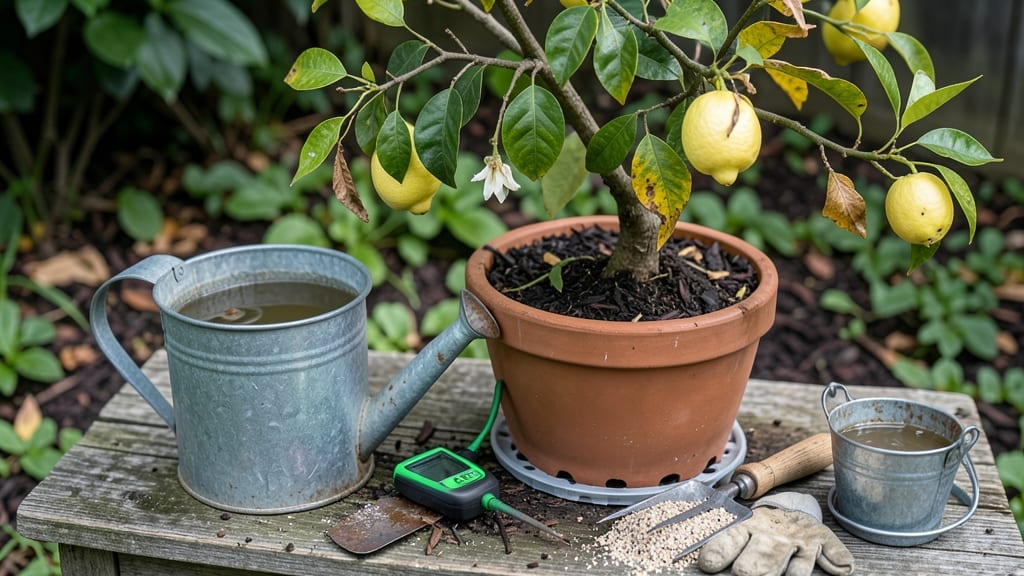
How to fix an overwatered lemon tree—your drooping leaves aren’t a death sentence, just a cry for help. 🌱 Overwatering strangles roots faster than you think, turning vibrant green into yellowed mush. The good news? With the right moves, you can nurse it back to health and prevent future drownings.
First, stop watering entirely and let the soil dry out completely—this could take 3-5 days depending on pot size. Check for root rot by gently lifting the tree: black, mushy roots mean you'll need to trim the worst damage with sterilized pruners. If the roots smell foul, that's your confirmation.
Once you've given the roots breathing room, upgrade the pot to one with drainage holes and use a well-draining mix (cactus/succulent blend works great). Water only when the top 2 inches of soil feel bone-dry, and consider adding perlite to improve aeration.
Your tree will show signs of recovery in 2-4 weeks if the roots are still salvageable.
Long-term, think of your lemon tree like a desert native—it hates soggy feet. Move it to a sunnier spot (they need 6-8 hours of light daily), and water deeply but infrequently. With these adjustments, you'll be back to harvesting sweet, fragrant lemons before you know it.
Root of the Problem
Overwatering your lemon tree isn’t just a gardening mistake—it’s a silent killer that disrupts the delicate balance of water, oxygen, and nutrients in the soil. Understanding why this happens is the first step to saving your citrus friend. Let’s dig into the science behind it.
Lemon trees thrive in well-draining soil, but when water pools around roots instead of draining away, it creates a suffocating environment. Here’s how it breaks down:
- Compacted Soil: Heavy clay or tightly packed soil traps excess moisture, cutting off oxygen (O₂) that roots need to respire. Without oxygen, roots suffocate and rot.
- No Drainage Holes: Pots without drainage holes act like bathtubs—water sits at the bottom, drowning roots over time. Even "self-watering" pots can backfire if not monitored.
- Improper Container Size: A pot too large for the tree’s root system holds excess water, while a pot too small restricts root growth but still traps moisture if watered frequently.
💡 Pro Tip: Test drainage by filling a pot with water—if it doesn’t drain within 10–15 minutes, your soil or container is the culprit.
Lemon trees are drought-tolerant once established, but many gardeners water on a schedule rather than by need. Here’s why this backfires:
- Ignoring Soil Moisture: Sticking your finger 1–2 inches into the soil is the gold standard. If it’s damp, hold off! Overwatering when the topsoil is already moist forces water deeper, displacing oxygen.
- Automatic Irrigation Gone Wrong: Timers or drip systems set on a fixed schedule don’t account for rain or humidity. A sudden downpour + your timer = double the disaster.
- Wrong Water Type: Soft water (low in minerals) or overly chlorinated tap water can disrupt soil chemistry, reducing its ability to hold moisture properly over time.
⚠️ Watch Out For: Yellowing leaves, mushy stems, or a foul smell from the soil—these are red flags that your tree is drowning.
Not all overwatering is your fault—sometimes, the environment conspires against your lemon tree:
- High Humidity: In tropical or rainy climates, soil stays damp longer. Humidity slows evaporation, so roots stay waterlogged even if you’re not overwatering.
- Cold Temperatures: Cold soil (below 60°F/15°C) reduces root activity, making it harder for roots to absorb excess water. This leads to buildup and rot.
- Shade Without Airflow: While lemon trees need partial shade, dense foliage or walls trap moisture. Stagnant air = stagnant soil.
🌡️ Climate Hack: In humid areas, water early in the day to let excess evaporate before nightfall. Mulch (2–3 inches) can also help regulate soil temperature and moisture.
Once overwatering starts, root rot (Phytophthora or Pythium fungi) takes over like a silent invasion. Here’s the chain reaction:
- Oxygen Starvation: Water fills soil pores, pushing out oxygen. Roots switch to anaerobic (oxygen-free) respiration, producing toxic ethanol.
- Fungal Feast: Fungi thrive in soggy conditions, attacking roots and blocking nutrient uptake. Infected roots turn brown/black and smell like rotten eggs.
- Systemic Collapse: Without roots to absorb water/nutrients, the tree wilts despite "wet" soil—a classic sign of overwatering.
🚨 Emergency Signs: Leaves drooping even when soil is wet, stems soft to the touch, or mushrooms sprouting near the base = root rot is winning.
Now that you know why your lemon tree is in trouble, the next step is fixing the damage—starting with proper drainage and targeted pruning. But first, let’s diagnose the severity of the rot...
Revive Your Lemon Tree Now
An overwatered lemon tree can feel like a lost cause, but with the right steps, you can nurse it back to health—even if the roots are soggy and the leaves look sad. The key is acting fast and addressing the root of the problem (literally!).
Below, we’ll break down the fixes based on the most common causes of overwatering, so you can tailor your rescue plan. Plus, we’ll share prevention tips to keep your citrus tree thriving long-term.
If your lemon tree is sitting in waterlogged soil, the first priority is improving drainage. Roots need air, not a swamp!
- 🔥 Step 1: Pause Watering Immediately Stop adding water until the soil dries out. Check moisture by sticking your finger 2 inches deep—if it’s damp, wait another day.
- 🍳 Step 2: Loosen Compacted Soil Gently dig around the base of the tree (avoid damaging roots) to break up compacted soil. Mix in perlite, sand, or pumice (20-30%) to improve aeration.
- 👨🍳 Step 3: Elevate the Pot (If Potted) If your tree is in a container, place it on pot feet or a saucer with drainage holes. Never let it sit in standing water.
- ⏰ Step 4: Repot If Necessary If the soil is irreparably soggy, repot into a well-draining mix (cactus/succulent mix + compost). Choose a pot with drainage holes—no exceptions!
💡 Pro Tip: For container trees, double-pot them—place the original pot inside a slightly larger one filled with gravel or expanded clay pebbles. This creates an air gap to prevent future waterlogging.
Yellowing leaves often signal root rot or nutrient leaching from overwatering. Here’s how to correct it:
- 🌡️ Step 1: Trim Damaged Foliage Snip off yellow or mushy leaves with clean pruners. This redirects energy to healthy growth.
- 🥗 Step 2: Water Only When Topsoil Is Dry Stick to the “finger test”: Water when the top 1–2 inches of soil feel dry. In summer, this might mean every 7–10 days; in winter, every 3–4 weeks.
- 💪 Step 3: Fertilize Lightly (If Needed) Once the tree stabilizes, use a balanced citrus fertilizer (6-6-6 or 8-3-9) diluted to half strength. Over-fertilizing stressed roots does more harm.
✨ Prevention: Use a moisture meter or self-watering pot with a reservoir to avoid guesswork. Lemon trees prefer consistent moisture, not soggy conditions.
If roots are black, mushy, or smell foul, root rot has set in. Act fast—this is a life-or-death situation.
- 🔪 Step 1: Remove the Tree from Soil Gently uproot the tree and rinse the roots with water to remove excess soil. Trim away any black, slimy roots with sterilized pruners.
- 🧴 Step 2: Disinfect and Repot Soak healthy roots in a 1:10 hydrogen peroxide solution (3%) for 10 minutes to kill fungus. Repot in fresh, sterile potting mix with perlite or orchid bark for airflow.
- 🌿 Step 3: Adjust Care Routine Keep the tree in bright, indirect light and avoid watering for 5–7 days. Once repotted, water only when the soil is bone-dry.
🎯 Long-Term Fix: Add mycorrhizal fungi to the soil (available at garden centers) to boost root health and prevent future rot.
Overwatering often pairs with low light or high humidity, slowing recovery. Adjust these factors:
- 💡 Step 1: Increase Light Exposure Move the tree to a south- or west-facing window (or use a grow light for 12–14 hours/day). Lemon trees need 6+ hours of sunlight daily.
- 🌬️ Step 2: Improve Airflow Place a small fan nearby (on low) to reduce humidity around the tree. Avoid clustering plants too closely.
- 🚫 Step 3: Avoid Cold Drafts Keep the tree away from AC vents, doors, or windows that drop below 50°F (10°C).
🔥 Quick Fix: If your tree is in a terracotta pot, swap it for a plastic pot temporarily—terracotta dries faster but can also wick moisture too quickly if overwatered.
With these steps, your lemon tree should show signs of recovery in 2–4 weeks. Stay patient, monitor soil moisture closely, and soon you’ll be harvesting juicy, homegrown lemons again! 🍋
Frequently asked questions
How do I know if my lemon tree is overwatered vs. underwatered?
Check the soil first—stick your finger 2 inches deep. If it's damp or wet, you're overwatering. Look for yellowing leaves (especially lower ones), wilting despite wet soil, or roots that smell foul or look mushy. Underwatered trees have dry, crispy brown edges on leaves and soil that pulls away from the pot.
Can I save a lemon tree with root rot?
Yes, but act fast! Remove the tree from its pot, rinse the roots, and trim away all black/mushy sections with sterilized pruners. Soak healthy roots in a 1:10 hydrogen peroxide solution (3%) for 10 minutes to kill fungus, then repot in fresh, well-draining mix. Keep it dry for 5-7 days afterward to prevent reinfection.
What’s the best potting mix for recovering lemon trees?
Use a blend of 60% cactus/succulent mix, 20% perlite, and 20% compost for optimal drainage and aeration. Avoid heavy garden soil—it compacts and traps moisture. For extra insurance, add orchid bark (10%) to improve airflow around roots.
How often should I water my lemon tree after recovery?
Wait until the top 2 inches of soil feel completely dry—this could be every 7-10 days in summer or every 3-4 weeks in winter. Use the "finger test" daily until you find your tree's rhythm. Morning watering prevents fungal growth from evening moisture.
Will my lemon tree produce fruit after recovery?
It depends on how severe the damage was. Healthy trees typically take 2-4 weeks to show new growth, but fruit production may take 6-12 months to return. Prune any remaining damaged branches to redirect energy to recovery, and provide full sun (6+ hours daily) to maximize fruit potential.