
Picking
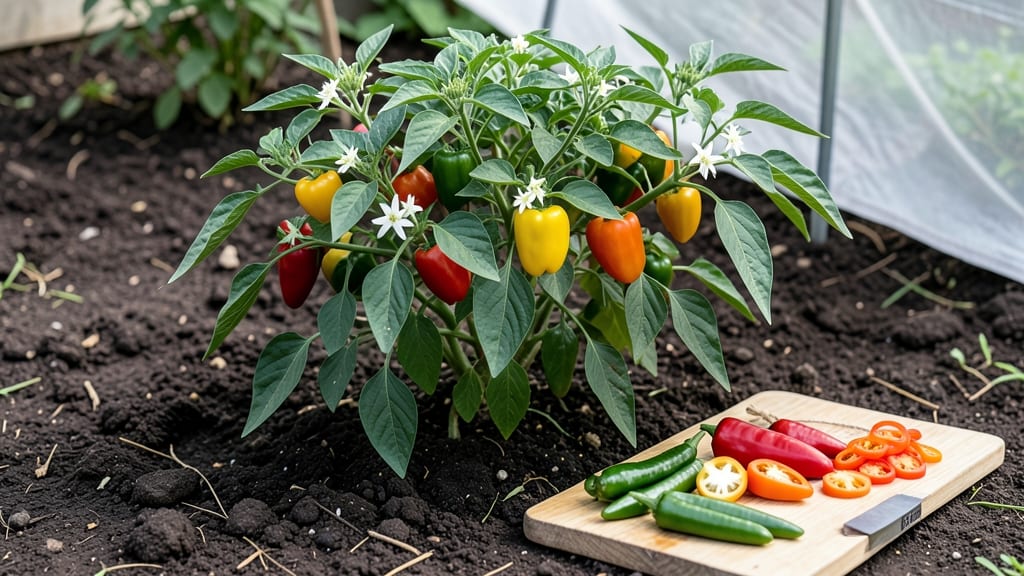
Sun-dried peppers pack slow-ripened intensity that store-bought can’t match. 🌶️ I learned the hard way—peppers dried too fast lose flavor, while perfect drying turns them into pantry gold. The key? Harvesting at peak ripeness, cutting properly, and choosing the right sunny day.
You’ll need fresh peppers, a sharp knife, twine or mesh bags, and a spot with direct sun and airflow. Hot, dry climates speed things up, but even humid days work if you’re patient. My favorite method? Stringing peppers by their stems—it’s simple, space-efficient, and lets them dry evenly.
Within 7-14 days, you’ll have leathery, flavor-packed peppers ready for storage. The smell of drying peppers—earthy, sweet, and just a little smoky—is worth the wait. Store them in jars or bags, and they’ll keep for months, adding depth to soups, stews, or homemade hot sauce.
Fair warning: humidity is the enemy. If rain’s in the forecast, bring them inside to finish drying. And skip the microwave—rushing the process leads to moldy peppers. Patience here means perfect, shelf-stable results every time.
📚 In This Guide
- What you need
- Instructions
- Tips and common mistakes
- Wrapping up and next steps
What you need
- ● Fresh peppers: Choose firm, ripe peppers (e.g., jalapeños, serranos, bell peppers, or poblano). Aim for 1-2 pounds for a manageable batch.
- ● Sharp knife or pruning shears: For clean cuts—avoid crushing or bruising the peppers.
- ● Cutting board: A sturdy, food-safe surface (preferably 12" x 18" or larger).
- ● Drying racks or screens: Option 1: 2-3 mesh drying screens (e.g., window screens or food-grade mesh racks, 18" x 24" or larger).
- ● Option 2: 2-3 wooden drying racks with slats (ensure they’re elevated off the ground for airflow).
- ● String or clothespins: To secure peppers to screens/racks (if not using racks with hooks).
- ● Food-safe twine or rubber bands: For hanging peppers (if using a hanging method).
- ○ Spray bottle with water: To mist peppers lightly if humidity is very low (optional but helpful in arid climates).
- ● Food-grade storage containers: Airtight jars or bags (e.g., quart-sized mason jars or Mylar bags with oxygen absorbers for long-term storage).
- ● Labels and markers: To note the pepper type and drying date.
- ● Dehydrator: For a backup plan if weather turns cloudy (set to 125–135°F).
- ● Fan: A small, portable fan to improve airflow on still days.
- ● Humidity monitor: To track conditions (ideal range: 40–60% humidity).
- ● Essential oils (e.g., oregano or garlic oil): For flavor infusion before drying.
- ● UV-resistant shade cloth: To protect peppers from direct midday sun (if drying in intense heat).
Step-by-step instructions for sun-drying peppers
Here's how to transform fresh peppers into rich, flavorful sun-dried gems—just like the pros do.
🌿 Step 1: Select and Prep Your Peppers
Choose peppers at their peak ripeness—firm, vibrant, and free of blemishes. I prefer jalapeños, serranos, and bell peppers for their balance of texture and flavor, but any variety works. Wash them gently under cool water, then pat completely dry with a clean kitchen towel or paper towels. Any moisture left on the peppers will slow drying and encourage mold.
Slice peppers into ¼-inch thick rounds or leave whole if they're small (like banana peppers). For even drying, cut them uniformly—thicker slices take longer, while thinner ones dry too fast and become brittle. Place the slices on a clean, dry surface and let them air out for 10-15 minutes to evaporate any lingering moisture.
☀️ Step 2: Choose the Right Drying Conditions
Sun-drying works best in warm, dry climates with low humidity—think 75-85°F and less than 50% humidity. If your area is humid, dry them indoors under a fan or in a dehydrator instead. The goal is to let the sun’s rays concentrate the flavors while preserving color and texture.
Set up a drying rack or clean wire mesh screen outdoors in direct sunlight, away from dust or debris. Elevate it slightly off the ground to allow airflow underneath. If you’re drying on a tray, use parchment paper to prevent sticking. Avoid plastic or metal surfaces—they can conduct heat unevenly and cause uneven drying.
💧 Step 3: Monitor and Rotate for Even Drying
Place the pepper slices on the rack, ensuring they don’t overlap. Turn them every 1-2 hours to expose all sides evenly to the sun. You’ll know they’re drying properly when they feel leathery but still pliable—not brittle or shriveled. This usually takes 4-6 hours in ideal conditions, but check frequently after the first 2 hours to prevent over-drying.
Watch for darkening or wrinkling—these are signs the peppers are losing moisture too quickly. If the weather turns cloudy, bring them indoors to finish drying under a gentle fan or in a warm, dry spot. Once fully dried, they should snap when bent but not crumble easily.
⏰ Step 4: Store Properly for Long-Lasting Flavor
Let the dried peppers cool completely before storing. Place them in a single layer on a clean surface to air out for 30 minutes. Then, transfer them to airtight containers—glass jars or vacuum-sealed bags work best. Store in a cool, dark place (like a pantry) where they’ll keep for up to a year if sealed properly.
For extra preservation, add a silica gel packet to the container to absorb any remaining moisture. Label the container with the date and pepper variety—this helps track freshness and flavor development over time. When ready to use, rehydrate dried peppers in warm water for 10-15 minutes before cooking to restore their natural moisture and depth of flavor.
Tips & tricks for perfect sun-dried peppers
Sun-drying peppers transforms fresh produce into pantry staples—here's how to avoid common pitfalls and elevate every batch.
Selection Matters: For vibrant color and flavor, choose peppers with thick skins and minimal seeds—jalapeños and serranos hold up best during drying. Avoid overripe or soft peppers; they'll turn mushy instead of leathery. In Step 1, when washing, use a salad spinner to remove all moisture—even small drops create mold risks during those critical 4-6 hours of drying.
The 10-15 Minute Air-Out: This step is non-negotiable! After slicing, spread pepper rounds on a clean kitchen towel and let them air for the full 10-15 minutes. The goal is to evaporate surface moisture that would otherwise create steam pockets during drying, leading to uneven texture. I've learned this the hard way—skipping this step means peppers dry too fast on the surface while staying damp inside.
Humidity Watch: The 75-85°F temperature range in Step 2 is ideal, but humidity is the silent saboteur. If your area exceeds 50% humidity, move drying indoors near a fan or use a dehydrator set to 135°F. I once tried drying in 60% humidity and ended up with peppers that smelled like wet cardboard—don't make my mistake!
Storage Secret: That 30-minute air-out before storing isn't just about moisture—it's about preventing condensation in your containers. Place a silica gel packet in each jar and seal while peppers are still slightly warm; the heat helps draw out any lingering moisture. Label containers with the date—peppers stored properly will develop deeper flavor over 6-12 months, but after a year, they start losing their vibrant color.
Pro Tips for Dry Peppers In The Sun
- Sun-drying peppers transforms fresh produce into pantry staples—here's how to avoid common pitfalls and elevate every batch.
- Selection Matters: For vibrant color and flavor, choose peppers with thick skins and minimal seeds—jalapeños and serranos hold up best during drying.
- The 10-15 Minute Air-Out: This step is non-negotiable!
Frequently asked questions
Got questions about sun-drying peppers? You’re not alone—this age-old method has a few quirks! Here are the answers to the most common queries to help you master the art of sun-drying peppers like a pro.
How long does it take to dry peppers in the sun?
Drying time depends on humidity, sun exposure, and pepper type. On average, it takes 3–7 days for peppers to fully dehydrate. Thin slices (like jalapeños) dry faster (2–4 days), while thicker peppers (like bell peppers) may need up to a week. Check for readiness when they’re leathery and easily crumble.
Can I dry peppers overnight in the sun?
Nope! Peppers need full-day sun exposure (6–8 hours) to dry properly. Overnight drying risks mold or uneven dehydration. If your climate is humid, extend drying time or bring them in at night to finish indoors with a fan or dehydrator.
What if it rains while drying my peppers?
No stress—just act fast! Cover peppers with a breathable cloth or mesh (like cheesecloth) to shield them from rain. If they get damp, let them air out in the shade for a few hours before resuming sun exposure. Avoid plastic, as it traps moisture and promotes mold.
Can I dry peppers indoors without sunlight?
Use a dehydrator (135–145°F), oven (low heat with the door cracked), or a well-ventilated space with a fan. Indoor drying takes longer (1–3 days) but works in any climate. Just ensure proper airflow to prevent spoilage.
How do I know if my dried peppers have gone bad?
Watch for these red flags: mold (fuzzy spots), sour smell, or slimy texture. If peppers feel mushy or develop dark spots, toss them immediately. Store dried peppers in airtight containers in a cool, dark place to extend shelf life (up to 1 year!).
Do I need to blanch peppers before sun-drying?
Blanching (dipping in boiling water for 1–2 minutes) helps preserve color and texture, especially for thicker peppers like bell peppers. Skip it for thin-skinned varieties (like chiles) unless you notice browning or uneven drying. Rinse with cold water afterward to stop the cooking process.
Wrapping up and next steps
Drying peppers in the sun is a rewarding way to preserve their bold flavors and extend their shelf life—plus, it’s a simple, cost-effective method anyone can master!
With the right tools, a sunny spot, and a little patience, you’ll unlock a pantry full of versatile, slow-ripened peppers ready for cooking, spicing up dishes, or gifting to fellow food lovers. 🌞
Now that you’re armed with the know-how, why not start small? Try drying a batch of your favorite peppers this weekend—whether it’s fiery jalapeños, sweet banana peppers, or smoky poblano—and experiment with them in your next meal.
Happy drying, and may your pantry always be stocked with sunshine in a jar! 🌶️✨