
Pruning
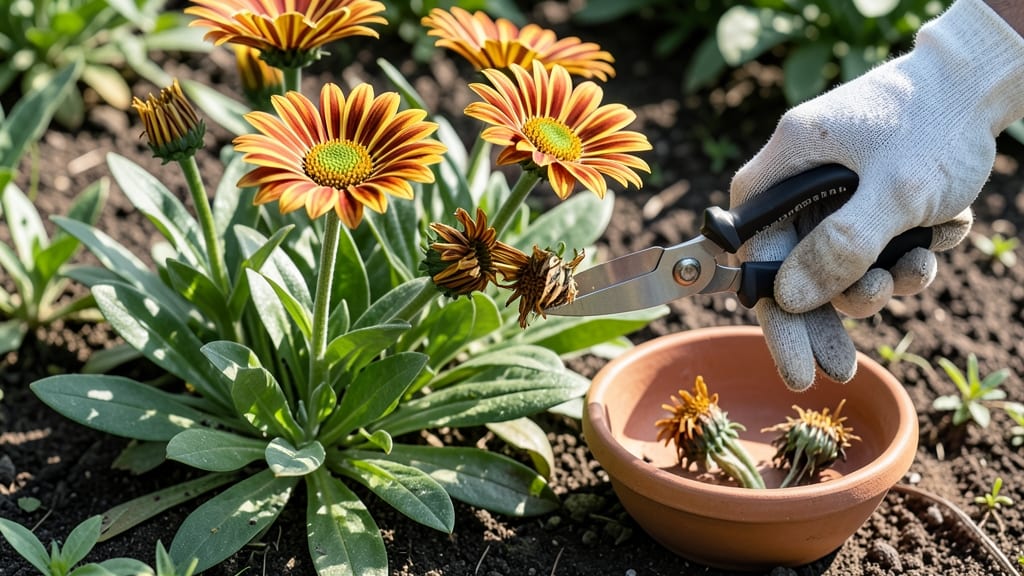
Three quick pinches keep gazanias blooming all summer. 🌻 I learned the hard way—when I skipped deadheading, my vibrant flowers faded fast, leaving bare stems by August. But this simple technique turns a single bloom into a continuous show. The secret isn't fancy tools—just clean scissors or your fingers.
Cut just above the next set of leaves (about 1/4 inch up), and you'll trigger fresh buds within days. Do this every morning after blooms droop, and your plants will reward you with nonstop color until frost. Delicate petals? No problem.
Handle them like you would a baby's hair—gentle but confident. Over-pruning? That's the real mistake. Never cut into the woody base, or you'll stunt future growth. Works for container gardens, borders, or hanging baskets. Once you master this, your gazanias will outshine every neighbor's—guaranteed.
📚 In This Guide
- What you need
- Instructions
- Tips and common mistakes
- Wrapping up and next steps
What you need
- ● Hand pruners or clean, sharp scissors: Choose a pair with bypass blades (not anvil-style) to avoid crushing stems. A small, ergonomic pair (4-6 inches) works best for precision.
- ○ Gloves (optional but recommended): Lightweight gardening gloves with tactile grip to protect against thorns and dirt. Look for nitrile-coated or cotton-lined options for comfort.
- ● Small bucket or container: A 5-gallon bucket or wheelbarrow to collect spent blooms and debris. A mesh bag can also work to reduce mess.
- ● Gazanias in full bloom: Ensure your gazanias are healthy with fully opened flowers and no signs of disease (e.g., yellowing leaves, spots).
- ● Knee pads or a small stool: Helps if you’re working close to the ground or have mobility concerns.
- ● Disinfectant (e.g., rubbing alcohol or bleach solution): Wipe down pruners between cuts to prevent bacterial spread (1 part bleach to 9 parts water).
- ● Compost bin or bag: For repurposing spent blooms into nutrient-rich compost.
- ● Pruning shears with a longer handle (12+ inches): Useful for reaching gazanias in hanging baskets or tall planters.
Tips & tricks for perfect gazania deadheading
Here's what nobody tells you about keeping your gazanias blooming like clockwork—these tricks make all the difference.
Timing Secret: Morning is your best friend for deadheading. The cooler temperatures mean less stress on the plant, and you'll spot faded blooms more easily against the bright morning light. I've noticed that plants deadheaded in the morning often show new buds within days, while afternoon deadheading can delay regrowth slightly.
Tool Technique: Your fingers are actually better than scissors for most gazanias. The clean pinch method in Step 2 prevents tearing the stem, which can stress the plant. If you must use scissors, make that 45-degree cut precisely—any longer than ¼ inch stubs and you risk inviting pests or rot. I keep a small pair of clean pruners just for this purpose, sterilized with rubbing alcohol between uses.
Growth Hack: Those new buds you'll see forming after deadheading (within 7-10 days!) are your reward for proper technique. To encourage even more blooms, give your plant a light pinch of fertilizer after deadheading—just a quarter-strength dose of balanced 10-10-10. The key is timing: wait until you see those new buds forming before fertilizing, or you might burn tender new growth.
Seasonal Strategy: In hot climates, gazanias can get stressed from afternoon sun. I've found that providing a little afternoon shade (like a sheer curtain or dappled shade from nearby trees) helps prevent bud drop. This is especially important after deadheading when the plant is focusing energy on new growth rather than protecting itself from heat stress.
Pro Tips for Deadhead Gazanias
- Here's what nobody tells you about keeping your gazanias blooming like clockwork—these tricks make all the difference.
- Timing Secret: Morning is your best friend for deadheading.
- Tool Technique: Your fingers are actually better than scissors for most gazanias.
Frequently asked questions
Got questions about deadheading gazanias? You’re not alone! Here are answers to the most common queries to keep your blooms thriving with minimal effort.
When is the best time to deadhead gazanias?
Deadhead gazanias after their flowers fade but before seed pods form—usually in the early morning or late afternoon to avoid heat stress. Pinch spent blooms weekly during peak bloom season (spring to fall) for continuous flowering. Pro tip: Wait until the petals drop naturally for cleaner cuts!
Do I need special tools to deadhead gazanias?
Nope! While sharp pruners make the job easier, your fingers work fine for small gazanias. Just sanitize tools with rubbing alcohol between plants to prevent disease. For large batches, consider small bypass pruners or even clean scissors for precision.
What if I miss deadheading a gazania?
Don’t stress—gazanias are tough! If you skip a cycle, the plant may produce seed pods, but it won’t kill your blooms. Simply deadhead the next faded flower, and the plant will bounce back. Over time, consistent deadheading trains gazanias to focus energy on new flowers instead of seeds.
Can I deadhead gazanias in full sun or rain?
Avoid deadheading in peak sun (10 AM–4 PM) or wet conditions—both can stress the plant. Opt for early morning or shady afternoons. Rain-soaked stems are harder to grip, and heat can cause wilting. Think of it as a gentle spa day for your gazanias!
What’s the difference between deadheading and pruning gazanias?
Deadheading = removing spent flowers to encourage reblooming. Pruning = trimming overgrown foliage or leggy stems (2–3 inches above a leaf node) to shape the plant or rejuvenate growth. Both tasks keep gazanias lush, but deadheading is your bloom-boosting MVP!
Wrapping up and next steps
Deadheading gazanias is a simple, rewarding task that keeps your garden vibrant and blooming all season long! With just a few strategic pinches and the right timing, you’ll enjoy longer-lasting flowers and healthier plants. 🌸
Now that you’re ready to tackle this easy chore, grab your pruners and give your gazanias the care they deserve. Watch them thrive!
💡 Next step: Schedule a quick weekly check to keep those blooms coming—your garden will thank you!