Planting
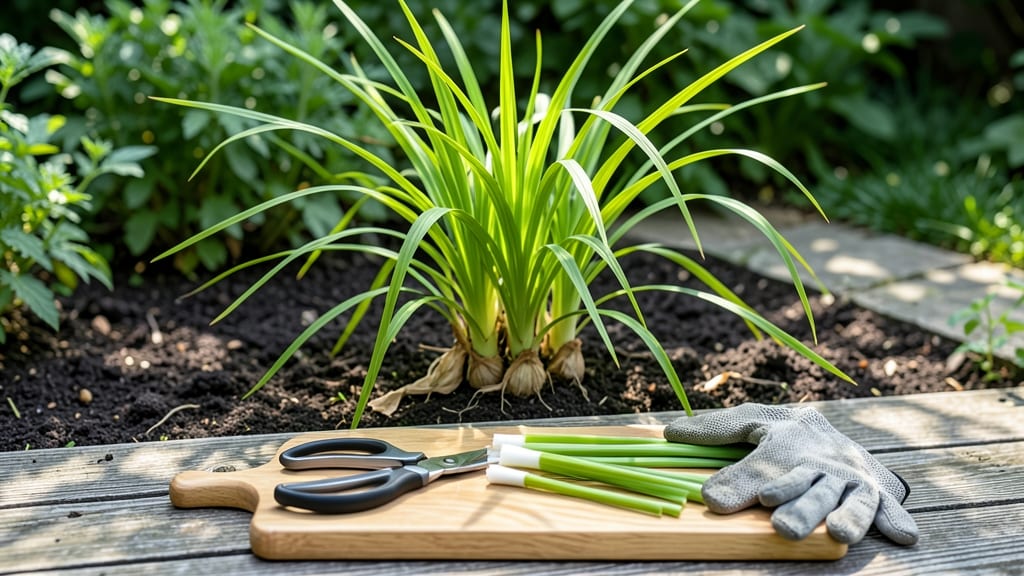
Your lemongrass plant just became a growth machine. ✂️ Cutting it right—when and how—transforms that clump of grassy stalks into a bushier, more productive plant that keeps giving fresh growth all season.
I learned the hard way that timing matters: too early or too late, and you stunt the plant instead of reviving it.
The best time to cut lemongrass is in spring or early summer when the stalks are thick and the plant looks vigorous. Use sharp scissors or pruners to snip about 6-8 inches from the base, leaving at least 6 inches of stem.
This encourages new shoots to sprout from the base, giving you more harvests without killing the plant.
You’ll notice within 2-3 weeks that fresh, tender shoots emerge from the center—these are your next harvest. The plant stays productive for years if you keep it trimmed, and you’ll never run out of fresh stems for cooking or tea.
Plus, it prevents the plant from becoming too woody and tough.
Works for potted plants or in-ground—just avoid cutting in fall or winter when growth slows. Here’s how to do it right the first time without stressing your plant.
📚 In This Guide
- What you need
- Instructions
- Tips and common mistakes
- Wrapping up and next steps
What you need
- ● Pruning shears or sharp scissors: A clean, sharp pair (sterilized with rubbing alcohol) to avoid damaging the plant or spreading disease. Size: Small handheld pruners (2-4 inches) work best for lemongrass stalks.
- ● Lemongrass plant: A mature plant (6+ months old) with at least 3-4 sturdy stalks (thicker than a pencil). Avoid cutting from young or weak plants.
- ○ Gloves (optional but recommended): Nitrile or gardening gloves to protect your hands from sap and sharp edges.
- ● Disinfectant (rubbing alcohol or bleach solution): 1 part bleach to 9 parts water to sterilize tools before and after cutting.
- ● Watering can or spray bottle: For post-cut hydration to help the plant recover.
- ● Container or pot (if repotting): A well-draining pot (6+ inches deep) with drainage holes if you’re dividing the plant.
- ● Potting mix: A light, well-draining soil mix (e.g., 50% potting soil + 50% perlite/sand) if replanting cuttings.
- ● Rooting hormone: A gel or powder to boost regrowth if propagating from cuttings.
- ● Plant markers: Small labels to track cutting dates if experimenting with propagation.
- ● Humidity dome or plastic bag: To create a mini greenhouse for cuttings until roots form (2-4 weeks).
- ● Pruning sealant: Beeswax or tree sealant to coat larger cuts (rarely needed for lemongrass).
Step-by-step instructions for cutting lemongrass plant
Reviving your lemongrass with precise cuts keeps it productive and healthy—here's how I do it.
🌱 Step 1: Identify Healthy Stems to Harvest
Wait until your lemongrass reaches 12-18 inches tall before cutting—this ensures the plant has stored enough energy to regrow. Look for thick, firm stems with 3-4 nodes (those little bumps along the stalk). These nodes are where new growth will sprout after cutting. Avoid stems that are thin, yellowing, or hollow—they won’t regenerate well.
Grab the bottom of the stem firmly and give it a gentle tug to test its strength. A healthy stem should resist slightly before pulling free cleanly. If it snaps easily, it’s past its prime. I always harvest 3-4 stems at a time from different sections of the plant to encourage balanced regrowth. Use a sharp knife or pruning shears (sterilized with rubbing alcohol) to make a clean cut just above a node.
✂️ Step 2: Cut at the Right Angle and Height
Make your cut at a 45-degree angle, about ½ inch above a node. This angled cut increases surface area for water absorption and prevents rot. If you cut too close to the node, the stem may not regrow; too far, and you risk damaging the plant’s base. Hold the stem steady with one hand while cutting—lemongrass can slip and create jagged cuts if you’re not careful.
After cutting, examine the base of the plant. If you see dry or mushy stems, trim those away completely—they won’t regrow and can attract pests. Leave the healthiest, thickest stems to continue growing. I like to leave at least 6 inches of stem on the plant after cutting to ensure stability and energy for regrowth. Water the base thoroughly after pruning to help the plant recover.
💧 Step 3: Encourage Regrowth with Proper Care
For the first 7-10 days after cutting, keep your lemongrass in bright, indirect light—direct sun can stress the plant while it recovers. Water deeply every 2-3 days, ensuring the soil stays moist but not soggy. Stick your finger 1 inch into the soil; if it feels dry, it’s time to water. Overwatering now can cause the base to rot before new shoots appear.
You’ll notice tiny green shoots emerging from the nodes within 2-3 weeks. This is your signal that the plant is regenerating. Once new growth reaches 4-6 inches tall, you can gradually reintroduce it to morning sun for a few hours a day. Avoid fertilizing during this time—lemongrass recovers faster with natural energy reserves rather than forced nutrients.
☀️ Step 4: Maintain for Continuous Harvests
After the first regrowth cycle, your lemongrass will be stronger and ready for monthly harvests. Wait until stems reach 12-18 inches again before cutting—this time, you can harvest up to 6 stems if the plant is thriving. I rotate which sections I harvest from to keep the plant balanced. For example, if I cut stems on the left side one month, I’ll focus on the right side the next.
To extend your lemongrass’s life, divide the plant every 12-18 months. Gently dig up the clump, separate the stems at the base, and replant the strongest sections in fresh soil. This rejuvenates the plant and gives you free new plants to share or grow. Keep the soil well-draining—lemongrass hates soggy roots—and you’ll enjoy fresh stems for years.
Tips & tricks for perfect lemongrass stem revival
Here's what nobody tells you about keeping your lemongrass thriving after each harvest.
Node Location is Everything: Those little bumps along the stem—nodes—are where all the magic happens. When cutting in Step 2, make sure to leave at least ½ inch of stem above each node. This small buffer prevents rot while giving the plant room to push out new shoots. I've seen regrowth fail completely when people cut too close to the node, so don't rush this step. The extra few seconds now save you from starting over later.
Tool Matters More Than You Think: That cheap kitchen knife you use for everything? Not ideal for lemongrass. The fibrous texture makes it slippery, leading to jagged cuts that stress the plant. Invest in a sharp pruning shears or a clean chef's knife—sterilize it first with rubbing alcohol to prevent disease transfer. I keep a dedicated pair just for my lemongrass harvests, and it makes all the difference in clean cuts that heal properly.
Watering Wisdom After Cutting: The first 7-10 days after pruning are critical. While the instructions mention watering every 2-3 days, I've learned to adjust based on humidity. In dry climates, water every 2 days—stick your finger 1 inch deep to check moisture. The goal is to keep soil damp without creating a swamp at the base. Too much water now equals rot before new shoots appear.
Light Transition Strategy: Moving your lemongrass from indirect to direct sun too quickly can shock the plant. After those 2-3 weeks of new shoots appearing, I recommend this gradual approach: Start with just 1 hour of morning sun daily, then increase by 30 minutes every 3 days until it's getting full sun. This slow adaptation prevents sunburn on tender new growth while building resilience.
Pro Tips for Cut Lemongrass Plant
- Here's what nobody tells you about keeping your lemongrass thriving after each harvest.
- Node Location is Everything: Those little bumps along the stem—nodes—are where all the magic happens. When cutting in...
- Tool Matters More Than You Think: That cheap kitchen knife you use for everything? Not ideal for lemongrass. The fibr...
Frequently asked questions
Got questions about cutting your lemongrass? You’re not alone! Here are some of the most common concerns—and their simple solutions—to keep your plant thriving.
How often should I cut my lemongrass plant?
Cut lemongrass after it reaches about 12–18 inches tall (or when the stalks are 1–2 inches thick). For mature plants, you can harvest every 4–6 weeks, but avoid over-cutting—never remove more than 1/3 of the plant at once. This ensures regrowth stays strong!
Can I cut lemongrass in winter?
Yes, but with caution! Lemongrass grows slower in cooler months, so wait until temperatures are consistently above 50°F (10°C) before cutting. If you live in a frost-prone area, harvest indoors or use a greenhouse to protect the plant. Pro tip: Cutting in late winter (just before spring) can encourage a fresh flush of growth!
What if my lemongrass turns yellow after cutting?
Yellowing can happen if you cut too close to the base (leave 2–3 inches of stem) or over-harvest. To fix it, reduce cutting frequency, ensure the plant gets 6+ hours of sunlight, and water consistently (but avoid soggy soil). A balanced fertilizer (like 10-10-10) can also help revive it.
Can I use the leftover stems after cutting?
The leftover stems (with roots) can be replanted in fresh soil to grow new plants. For the top greens, chop them finely and use in soups, teas, or pest repellent sprays. Just avoid the tough lower bulb—it’s not edible but makes great compost!
What’s the best time of day to cut lemongrass?
Early morning is ideal! Cutting when the plant is hydrated (after dew evaporates but before the heat of the day) reduces stress. Avoid cutting in the evening—moisture trapped in the cuts can attract pests. Use sharp, clean scissors or pruners to make clean cuts for faster healing.
Wrapping up and next steps
Cutting back your lemongrass isn’t just about trimming—it’s a gift to your plant that keeps it thriving, flavorful, and ready to harvest year-round! 🌿 With the right tools, timing, and care, you’ll enjoy a steady supply of fresh stems while encouraging lush, vibrant regrowth.
Whether you’re a seasoned gardener or just starting, this simple process makes it easy to revive and sustain your lemongrass.
Now that you’re equipped with the know-how, grab those shears and get pruning! 🌱 Start small, observe your plant’s response, and soon you’ll be harvesting like a pro. Happy gardening—and may your kitchen always be filled with that zesty, citrusy magic!