
Tools
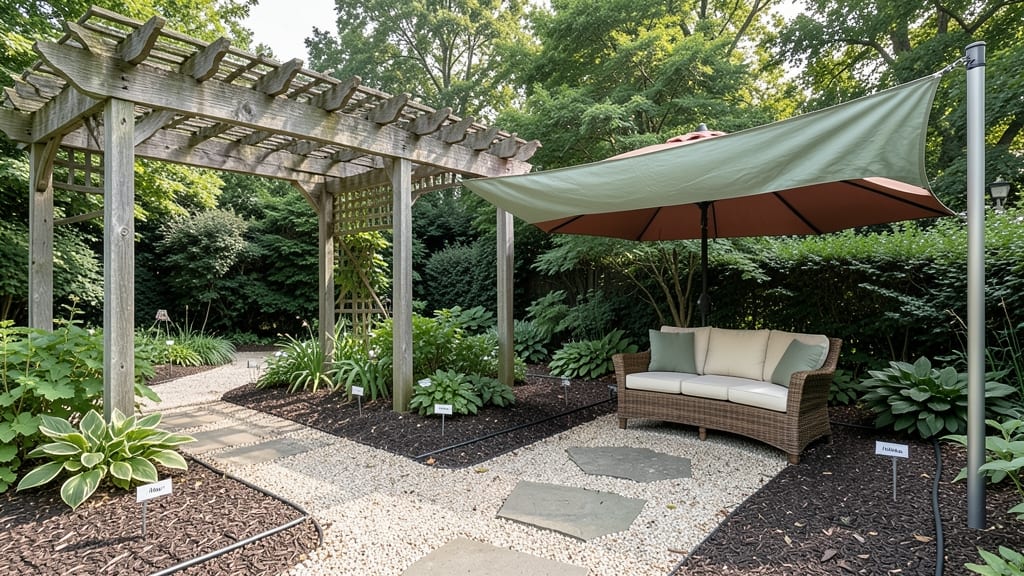
Creating shade in your garden transforms it from a sun-drenched struggle to a cool, layered retreat—where plants thrive and you can finally enjoy outdoor time without squinting. 🌿 After years of battling scorched leaves and wilting perennials, I learned the secret isn’t just throwing up shade cloth; it’s about strategic layers that work year-round, from harsh summer afternoons to gentle spring breezes.
The best shade solutions combine natural and artificial elements—fast-growing trees for long-term coverage, shade sails for instant relief, and pergolas that filter light beautifully. My favorite setup? A mix of native shade trees (like fast-growing willows or silver maples) paired with adjustable fabric shades over seating areas.
This gives you flexible control while keeping the garden feeling organic, not like a DIY experiment gone wrong.
By the end, you’ll have a garden where shade-loving plants like hostas and ferns flourish, while your favorite seating spots stay comfortably cool—even on the hottest days.
The key is balancing permanent structures (like trellises) with temporary solutions (like pop-up canopies) so you’re never stuck with one extreme or the other.
Whether you’re dealing with a south-facing yard or just want a cozy corner for afternoon reading, these methods adapt to any space. Let’s turn that blazing sun into your garden’s best feature—without sacrificing beauty or functionality.
📚 In This Guide
- What you need
- Instructions
- Tips and common mistakes
- Wrapping up and next steps
What you need
- ● Shade Plants: Fast-growing trees (e.g., Silver Maple, Eastern Redbud) – 2-3 plants
- ● Medium-height shrubs (e.g., Holly, Boxwood) – 4-6 plants
- ● Low-growing ground covers (e.g., Creeping Jenny, Ajuga) – Enough to fill gaps
- ● DIY Shade Structures: PVC pipes (½” or ¾” diameter) – 10-20 ft (for frame)
- ● Shade sail fabric (polyester or UV-resistant) – 1-2 rolls (size depends on area)
- ● Stakes or ground anchors – 4-6 (for securing fabric)
- ● Zip ties or bungee cords – 10-15 (for tensioning)
- ● Tools: Pruning shears or hedge clippers
- ● Measuring tape
- ● Drill (for DIY projects)
- ● Ladder (if working at height)
- ● Mulch (wood chips or bark) – 1-2 bags (to retain moisture)
- ● Drip irrigation system (for consistent watering)
- ● Decorative trellis or lattice (for climbing plants like Clematis)
- ● Outdoor paint or stain (to match your garden aesthetic)
Tips & tricks for perfect garden shade canopies
Real talk: The difference between a functional shade garden and a frustrating one often comes down to these small details that most guides skip. Here’s what I’ve learned after years of trial and error.
Sun Mapping Precision: When you’re marking shadows every two hours (as in Step 1), use a pencil with a light grip—pressure variations can create inconsistent marks. I also recommend doing this on a clear day with no clouds, as overcast conditions distort shadow patterns. For accuracy, repeat the process during both summer and winter solstices to account for seasonal sun shifts. This ensures your shade solutions work year-round, not just during one season.
Plant Layering Strategy: In Step 2, when selecting your top canopy trees, prioritize species with wide canopies like oak or honey locust—they provide more shade per square foot than narrow trees. For mid-height shrubs, space them 3-4 feet apart to allow airflow while still creating a dense shade layer. I’ve found that pairing evergreens (like boxwood) with deciduous shrubs (like lilac) gives you consistent shade even when some plants lose leaves in winter.
Shade Structure Flexibility: For the lattice panels and shade sails in Step 3, invest in adjustable hardware. I use quick-release clamps for lattice panels so I can easily reposition them as vines grow. With shade sails, opt for fabric with a 60% block rating—it provides ample shade while still allowing some light for plants that need partial sun. The key is adjusting the angle seasonally: steeper in summer, shallower in winter to maximize light penetration when you need it.
Pruning with Purpose: When pruning in late winter (Step 4), focus on removing branches that grow inward or cross each other—they’re the first to create gaps in your shade canopy. For vines, prune back to the first five leaves after flowering to encourage bushier growth. I also recommend sterilizing your pruning shears with rubbing alcohol between cuts to prevent spreading disease between plants. This maintains the health and density of your shade layers.
Pro Tips for Create Shade In Garden
- Real talk: The difference between a functional shade garden and a frustrating one often comes down to these small det...
- Sun Mapping Precision: When you’re marking shadows every two hours (as in Step 1), use a pencil with a light grip—pre...
- Plant Layering Strategy: In Step 2, when selecting your top canopy trees, prioritize species with wide canopies like ...
Frequently asked questions
Got questions about crafting the perfect shaded garden oasis? You’re not alone! Here are answers to the most common queries to help you plan with confidence.
What’s the fastest way to create shade in a garden?
For immediate shade, opt for fast-growing trees like silver maple or leucadendron (5–10 years to full canopy). Alternatively, install a retractable shade sail or fabric canopy—these can be set up in hours and adjusted as needed. Pair with temporary structures like pergolas for a hybrid solution.
How long does it take for shade trees to mature?
Most shade trees take 5–15 years to reach full maturity, depending on the species. Fast growers like willow or hybrid poplar (10–15 ft/year) offer quicker relief, while slower varieties (e.g., oak or magnolia) may take decades. Pro tip: Plant smaller trees now and layer with vines or trellises for instant partial shade.
Can I create shade without planting trees?
Try these low-maintenance alternatives:
- Shade sails/cloths: Lightweight, UV-resistant fabric stretched over frames (customizable angles for sun control).
- Lattice or trellises: Train climbing plants like clematis or wisteria for vertical shade.
- Umbrellas or pergolas: Moveable options for patios or seating areas.
- Reflective surfaces: Light-colored hardscapes or water features can bounce light away.
Will shade affect my plants’ growth?
Shade can benefit some plants (e.g., ferns, hostas, or tropicals) by reducing stress, but others (like sun-loving veggies or roses) may struggle. Use partial shade (4–6 hours of sun) for a balanced garden. Monitor leaf color—yellowing often signals too much shade, while pale leaves may mean insufficient light. Adjust with pruning or relocating plants as needed.
What’s the best way to troubleshoot uneven shade?
Uneven shade? Start by mapping your garden’s sunlight patterns (use a sun tracker app or observe shadows at different times). Solutions:
- Prune overgrown branches to redirect light.
- Add layered plants—tall trees + medium shrubs + ground cover.
- Adjust artificial shade (e.g., tilt sails or reposition umbrellas).
- Use reflective mulch (like white gravel) to brighten dark spots.
Wrapping up and next steps
Creating shade in your garden is all about strategic planning and layered solutions—whether through trees, pergolas, or smart plant placement. With the right mix of permanent and temporary options, you can enjoy year-round comfort while boosting privacy, energy efficiency, and even plant health. 🌿✨
Now that you’ve got the know-how, roll up your sleeves and start transforming your space! Begin with a sketch of your garden’s sun patterns, then pick one or two shade solutions to test first. Small steps lead to big shade—happy gardening!