
Companion Plants
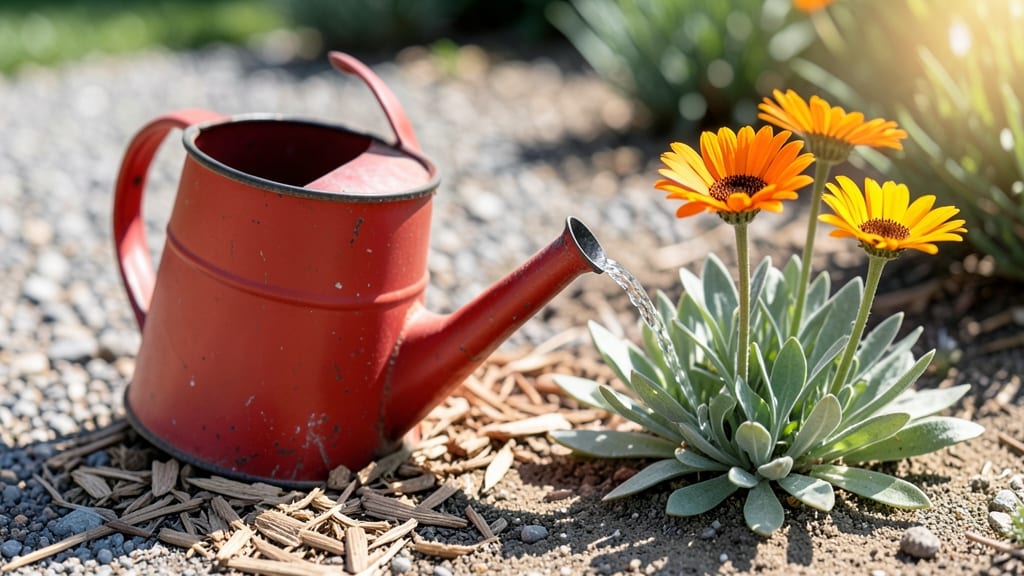
How to care for Gazania plants will turn your sunny spots into bursts of color with almost no effort. 🌻 I’ve grown them for years, and they’re the perfect plant for gardeners who want vibrant blooms without constant fuss. Their daisy-like flowers open wide in the day and close at night, creating a natural clock in your garden.
These sun-loving perennials thrive in hot, dry conditions, making them ideal for borders, containers, or even rocky slopes. They need well-draining soil—sandy or loamy works best—and only about 1 inch of water per week once established. Overwatering is their biggest enemy, so let the soil dry out between waterings.
Pruning is simple: just deadhead spent blooms to encourage more flowers, and trim back leggy growth in early spring. Gazanias are naturally pest-resistant, but watch for aphids or spider mites in extreme heat. A quick spray of water usually sends them packing.
They’ll reward you with months of blooms from late spring through fall, often rebounding after light frosts. Perfect for low-maintenance gardeners who love bold colors and drought-tolerant plants. Let’s get yours thriving!
📚 In This Guide
- What you need
- Instructions
- Tips and common mistakes
- Wrapping up and next steps
What you need
- ● Gazania plants: Start with healthy nursery-bought gazanias (1-3 plants per 12-inch pot or 1 plant per 18-inch garden space). Choose varieties like Gazania rigens or Gazania kenedyana for vibrant blooms.
- ● Well-draining potting mix: A high-quality blend (e.g., Miracle-Gro Potting Mix) or a mix of 50% garden soil + 50% perlite/sand (for containers). ✨ Pro tip: Avoid heavy clay soil—it causes root rot!
- ○ Containers (optional but recommended): For pots: 5-7 inch diameter (1 plant per container) with drainage holes.
- ● For garden beds: Ensure 6+ hours of direct sunlight and loose, sandy soil.
- ● Slow-release fertilizer: A 10-10-10 or 14-14-14 NPK ratio (e.g., Osmocote) to feed plants for 3-4 months.
- ● Watering can or hose with a gentle spray nozzle: Gazanias hate soggy roots—water only when the top 1-2 inches of soil are dry.
- ● Pruning shears or clean scissors: For trimming dead blooms and leggy stems.
- ● Mulch: A thin layer of gravel or pebbles (to retain moisture and deter weeds). Avoid organic mulch—it can compact soil.
- ● Epsom salt: 1 tbsp per gallon of water (monthly) to boost magnesium for vibrant blooms.
- ● Companion plants: Pair with sedum, lavender, or succulents for a drought-tolerant garden display.
- ● Shade cloth (30-50% coverage): For high-heat zones (e.g., desert climates) to protect leaves from scorching.
Step-by-step instructions for cultivating thriving Gazania plants
Gazanias reward minimal effort with bold, cheerful blooms—here’s how to keep them happy and flowering all season.
🌱 Step 1: Choose the Perfect Planting Location
Gazania plants crave full sun, so pick a spot that receives at least 6-8 hours of direct sunlight daily. I always test locations by observing how much sun an area gets before planting—if nearby plants are scorched by midday, your gazanias will thrive there. Avoid low-lying areas where cold air settles, as these tender perennials won’t tolerate frost.
Well-draining soil is non-negotiable. If your garden soil is heavy clay, amend it with sand or grit to improve drainage. You’ll know you’ve got it right when water runs through the soil within 10-15 minutes after watering. Amending the soil prevents root rot, which is gazanias’ biggest enemy.
☀️ Step 2: Plant at the Right Depth and Spacing
Dig holes twice as wide as the root ball but only as deep as the container’s base. Gazanias hate being buried too deep, which can cause stem rot. Gently remove the plant from its container, loosen the roots if they’re circling, and place it in the hole so the top of the root ball sits just below soil level. This ensures the plant doesn’t suffocate from too much moisture.
Space plants 12-18 inches apart for optimal airflow and growth. Crowding leads to weak stems and fewer blooms. I like to arrange them in clusters of three or five for a natural, full look—this mimics their wild habitat and encourages bushier growth. Water deeply after planting to settle the soil around the roots.
💧 Step 3: Water Deeply but Infrequently
Gazanias are drought-tolerant once established, so the key is deep, infrequent watering. Water once a week during dry spells, aiming for 1 inch of water per week. You’ll know you’ve watered enough when the soil is moist 2-3 inches deep—stick your finger in to check. Overwatering is the fastest way to kill these plants, so always let the top 1-2 inches of soil dry out between waterings.
Water at the base of the plant in the early morning to reduce evaporation and fungal risks. Avoid wetting the foliage, as gazanias are prone to powdery mildew in humid conditions. Mulch around the base with 1-2 inches of gravel or coarse sand to further improve drainage and retain moisture without smothering the roots.
✂️ Step 4: Deadhead and Prune for Continuous Blooms
Deadheading spent blooms is the secret to non-stop flowering. Use clean, sharp pruners to snip off faded flowers just above the next set of leaves. This encourages the plant to produce new buds instead of setting seed. I like to do this every 2-3 days during peak bloom season—it’s a quick task that pays off with vibrant, long-lasting color.
Trim back leggy stems in early spring to promote bushier growth. Cut back one-third of the plant’s height if it looks sparse or overgrown. Gazanias are forgiving, so don’t stress about perfect pruning—just remove anything that looks dead or diseased. This also prevents the plant from becoming top-heavy, which can cause it to flop in hot, dry conditions.
🌿 Step 5: Protect and Prepare for Winter
Gazanias are tender perennials, so they won’t survive frost. Before the first 32°F night, dig up the plants and pot them in 4-inch containers. Trim back the foliage by half to reduce stress, and store them in a cool, dry place like a garage or basement where temperatures stay between 40-50°F. This gives them a chance to rest without freezing.
Water the potted plants sparingly every 3-4 weeks—just enough to keep the soil slightly moist. In early spring, repot them if roots have outgrown the container, and gradually reintroduce them to outdoor conditions. Harden them off by placing them outside for 1-2 hours daily, increasing exposure over 7-10 days before replanting in the garden.
Tips & tricks for perfect Gazania plant care
These game-changing tips will help you coax even more vibrant blooms from your sun-loving gazanias—without the fuss!
Sunlight Strategy: If your gazanias aren't getting the full 6-8 hours of direct sunlight they crave, try placing them on a reflective surface like a patio table or light-colored gravel. The reflected light can boost their exposure by an extra 1-2 hours during peak sun hours. I've seen this trick extend bloom time by nearly a week in shadier spots!
Soil Test Hack: Before amending your soil, do this quick test: Grab a handful of moist soil and squeeze it—if it holds its shape like a rock, it's too dense. If it crumbles easily, it's perfect. For heavy clay, mix in equal parts sand and compost to improve drainage while adding nutrients. This two-part amendment prevents that dreaded root rot while keeping your gazanias thriving.
Watering Wisdom: The 1-inch weekly watering guideline works best when you water deeply at the base. Use a rain gauge or tuna can to measure—fill it with water and place it near your plants. This ensures you're meeting their needs precisely. For container-grown gazanias, water when the top 1-2 inches of soil feel completely dry to the touch, which might mean every 3-4 days in hot climates.
Pruning Payoff: When deadheading those spent blooms every 2-3 days, don't throw away the faded flowers! Toss them into a compost bin—they'll break down quickly and return nutrients to your garden. Also, use clean pruners each time to prevent spreading diseases between plants. I keep a small bottle of rubbing alcohol handy to wipe them down between cuts for extra protection.
Pro Tips for Care For Gazania Plants
- These game-changing tips will help you coax even more vibrant blooms from your sun-loving gazanias—without the fuss!
- Sunlight Strategy: If your gazanias aren't getting the full 6-8 hours of direct sunlight they crave, try placing them on a reflective surface like a patio table or light-colored gravel.
- Soil Test Hack: Before amending your soil, do this quick test: Grab a handful of moist soil and squeeze it—if it holds its shape like a rock, it's too dense.
Frequently asked questions
about gazania care—because even sun-loving plants need a little extra love!How often should I water gazania plants?
Water gazanias deeply but infrequently—about once a week, or when the top inch of soil feels dry. Overwatering causes root rot, so prioritize well-draining soil and avoid soggy conditions. Mulching helps retain moisture without drowning the roots!
Can gazanias survive winter?
Most gazanias are annuals in cold climates, but some varieties (like Gazania rigens) are tender perennials—they’ll die back in frost but may regrow if roots survive. In freezing zones, treat them as annuals or dig up tubers and store them indoors until spring!
Why are my gazania leaves turning brown or yellow?
Brown edges? Likely underwatering or salt buildup from tap water. Yellow leaves? Check for overwatering, pests (like spider mites), or nutrient deficiencies. Trim damaged foliage and adjust care—gazanias are tough but hate soggy feet!
Can gazanias grow in containers?
Plant them in well-draining pots (12+ inches deep) with a mix of potting soil and sand. Use containers with drainage holes and place them in full sun. Bonus: Container gazanias make stunning hanging baskets or window-box displays!
Do gazanias need fertilizer?
Light feeding boosts blooms! Use a balanced, water-soluble fertilizer (10-10-10) every 4–6 weeks during growing season. Avoid heavy doses—gazanias prefer lean soil. For organic options, try compost tea or fish emulsion.
Are gazanias deer- or rabbit-resistant?
Good news! Gazanias are deer- and rabbit-deterrent thanks to their bitter taste. However, hungry critters might nibble if other food is scarce. Plant them near thorny companions (like succulents) for extra protection.
Wrapping up and next steps
Caring for gazania plants is a breeze once you know their simple needs—sunshine, well-draining soil, and occasional watering. With these sun-loving perennials, you’ll enjoy vibrant blooms with minimal effort, making them perfect for busy gardeners or beginners! 🌞
Now that you’re equipped with the know-how, why not plant a few gazanias this weekend? Start small—try a pot on your patio or a sunny border in your garden—and watch your space transform into a cheerful, low-maintenance oasis. Happy gardening! 🌸