
Orchid Care
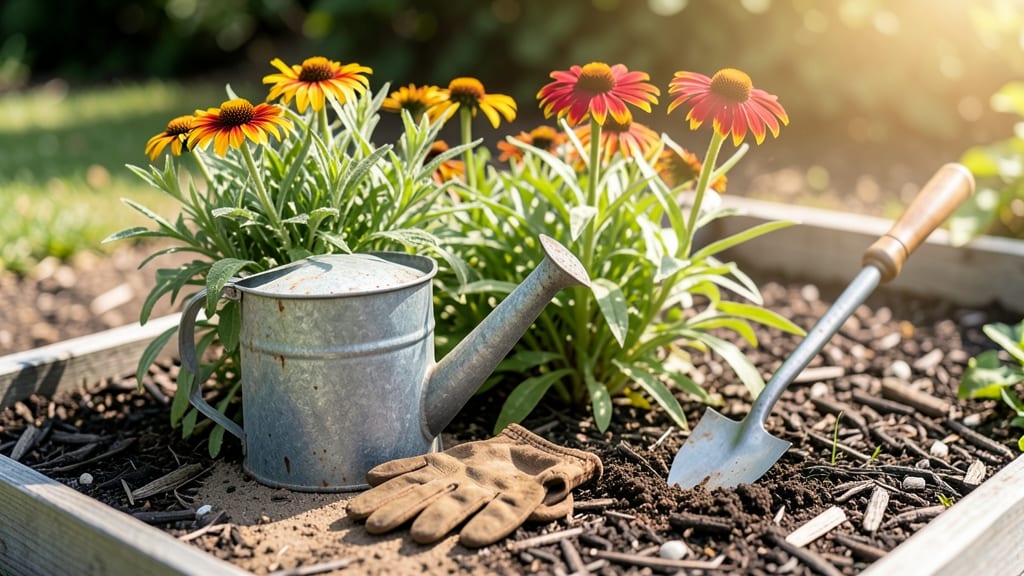
How to care for Gaillardia will turn your garden into a fiery display of color—these drought-resistant beauties bloom like fireworks all season long. 🌻 I’ve grown these hardy annuals and perennials for years, and they never fail to impress—even when other flowers wilt under the summer sun. The secret? Understanding their simple needs and letting them do their thing.
These hardy annuals and perennials love full sun and well-draining soil, but they’re not picky. Plant them in average garden soil, and they’ll reward you with vibrant red, yellow, or bicolor blooms from late spring until frost.
Watering is easy too—just keep the soil lightly moist, but never soggy. Overwatering is their only real enemy.
Pruning is a breeze: deadhead spent blooms to encourage more flowers, and trim back leggy stems in early spring. Gaillardia thrives with minimal fuss, making it perfect for busy gardeners or beginners. Plus, it’s deer-resistant and attracts pollinators—what’s not to love?
Whether you’re planting in borders, containers, or wildflower meadows, Gaillardia delivers color and resilience without the drama. Let’s get yours growing strong!
📚 In This Guide
- What you need
- Instructions
- Tips and common mistakes
- Wrapping up and next steps
What you need
- ● Gaillardia plants: Start with healthy nursery-grown seedlings or seeds (choose drought-tolerant varieties like Gaillardia pulchella or Gaillardia aristata for best results).
- ● Well-draining soil: A mix of native soil + compost (50/50 ratio) or cactus/succulent mix (if planting in containers). Aim for 6.0–7.5 pH.
- ● Sunlight access: A full-sun location (6+ hours of direct sunlight daily). Partial shade (3–6 hours) works in hot climates.
- ● Watering can or hose: With a gentle spray nozzle (avoid soaking the soil—Gaillardia hates soggy roots!).
- ● Pruning shears: Sharp, sterilized shears (for deadheading and shaping).
- ● Mulch: 2–3 inches of organic mulch (straw, pine needles, or gravel) to retain moisture and deter weeds.
- ● Fertilizer: Balanced, slow-release granular fertilizer (10-10-10) or low-nitrogen liquid feed (diluted to half-strength). Apply once in early spring.
- ● Container gardening: 5–7 gallon pots with drainage holes (if growing in containers).
- ● Pest control: Neem oil or insecticidal soap (for aphids or spider mites).
- ● Stakes or cages: For tall varieties (like Gaillardia grandiflora) to prevent flopping in wind.
- ● Garden gloves: To protect your hands while handling prickly stems or mulch.
Step-by-step instructions for growing gaillardia with confidence
Gaillardia’s bold colors and resilience make it a gardener’s dream—here’s how to keep them thriving all season.
🌱 Step 1: Choose the Perfect Planting Location
Gaillardia thrives in full sun—at least 6-8 hours daily. I always pick the sunniest spot in my garden because these plants reward bold light exposure with vibrant blooms. If your yard has partial shade, position them where they’ll get the most sun possible, even if it’s just a few hours more than other areas.
Check soil drainage before planting. Gaillardia hates soggy roots, so if your soil stays damp for more than a day after rain, amend it with 1-2 inches of coarse sand or grit mixed into the top 6 inches. You’ll know you’ve got it right when water runs through the soil quickly but doesn’t pool on the surface.
☀️ Step 2: Space Plants for Airflow and Sunlight
Plant gaillardia 12-18 inches apart in rows or clusters. This spacing ensures each plant gets enough air circulation to prevent fungal diseases like powdery mildew. I like to arrange them in odd-numbered groups—three or five plants together—because it creates a more natural, full look in the garden bed.
Dig holes just deep enough to accommodate the root ball without burying the crown. If you’re planting from seed, sow seeds ¼ inch deep and thin seedlings to the recommended spacing once they’re 2-3 inches tall. Watch for the first true leaves to appear—this is your signal to start thinning carefully with scissors to avoid disturbing roots.
💧 Step 3: Water Deeply but Infrequently
Gaillardia’s drought tolerance is legendary, but proper watering in the first few weeks sets the stage for long-term success. Water deeply once a week during the first month after planting, ensuring the soil is moist 6 inches deep. You’ll know it’s right when the soil feels damp but not waterlogged—like a wrung-out sponge.
Once established, reduce watering to every 10-14 days, or only when the top 2 inches of soil feel dry. Overwatering is the fastest way to kill gaillardia, so resist the urge to water lightly every few days. Let the soil dry out between waterings—this encourages deep root growth and tougher plants.
✂️ Step 4: Deadhead and Prune for Continuous Blooms
Deadheading spent blooms is the secret to nonstop color. Pinch or snip off faded flowers at the base of the stem with clean pruners. I do this every 2-3 days during peak bloom season because it redirects the plant’s energy into producing new flowers instead of setting seed.
In late summer, give gaillardia a light trim to encourage a second flush of blooms. Cut back the stems by one-third just above a set of leaves. This pruning also tidies up the plant and prevents it from looking leggy. Watch for new growth within 7-10 days—this is your cue that the plant is responding well.
🌿 Step 5: Protect and Maintain Through Seasons
Gaillardia is tough, but a few precautions keep it thriving. In winter, mulch around the base with 2-3 inches of straw or shredded leaves to protect roots from freezing temperatures. Remove the mulch in early spring once new growth appears—this prevents the soil from staying too cold and damp.
Fertilize lightly once a year in early spring with a balanced, slow-release fertilizer (10-10-10). Too much nitrogen makes gaillardia grow lush foliage at the expense of blooms, so skip heavy feeding. You’ll know you’ve got the right balance when the plant produces abundant flowers without excessive leafy growth.
Tips & tricks for perfect gaillardia care
Here's what nobody tells you about keeping gaillardia blooming like crazy with almost no effort.
Sunlight Strategy: If your garden has partial shade, place gaillardia near the sunniest wall or fence—it reflects light and gives them that extra boost. I've seen gaillardia in 5 hours of sun still produce vibrant blooms, but the colors will be most intense with the full 6-8 hours. Watch for leaves turning yellow or stems stretching—these are signs they need more light.
Soil Test Trick: Before amending your soil with sand or grit, do a simple drainage test: Dig a hole 6 inches deep, fill it with water, and time how long it takes to drain. If it takes more than 30 minutes, you definitely need to improve drainage. I mix in perlite instead of sand sometimes—it’s lighter and works just as well for preventing soggy roots.
Watering Wisdom: The key to gaillardia’s drought tolerance is letting the soil dry completely between waterings. Stick your finger 2 inches into the soil—if it feels dry, it’s time to water. In containers, I find they need watering every 7-10 days even when established, because pots dry out faster than garden beds. Never let them sit in saucers of water overnight!
Pruning Payoff: When you trim back gaillardia by one-third in late summer, don’t just cut randomly—look for the healthiest stems with the most leaves. This encourages bushier growth and more flowers. I always clean my pruners with rubbing alcohol between cuts to prevent spreading disease from one plant to another.
Pro Tips for Care For Gaillardia
- Here's what nobody tells you about keeping gaillardia blooming like crazy with almost no effort.
- Sunlight Strategy: If your garden has partial shade, place gaillardia near the sunniest wall or fence—it reflects light and gives them that extra boost.
- Soil Test Trick: Before amending your soil with sand or grit, do a simple drainage test: Dig a hole 6 inches deep, fill it with water, and time how long it takes to drain.
Frequently asked questions
Got questions about keeping your gaillardia happy and blooming?
You’re not alone! Here are answers to the most common concerns—from soil to pests—so you can enjoy these vibrant flowers with confidence.
How often should I water gaillardia?
Once established, gaillardia is thrivingly drought-tolerant—water deeply 1-2 times per week in hot, dry climates (or less in cooler regions). Overwatering is the real enemy: soggy soil invites root rot. Let the top inch of soil dry out between waterings for best results.
When is the best time to plant gaillardia?
Plant gaillardia in early spring or late summer to avoid extreme heat or frost. This timing gives roots time to establish before winter or summer stress. If starting from seeds, sow them directly in the garden after the last frost—they germinate best in warm soil (70°F+).
What pests or diseases commonly affect gaillardia?
Gaillardia is generally pest-resistant, but watch for aphids, spider mites, or powdery mildew in humid conditions. Blast off aphids with water, treat mites with neem oil, and improve airflow to prevent mildew. Deadhead spent blooms to encourage new flowers and deter pests.
Can gaillardia grow in containers?
Choose a container with drainage holes and use well-draining potting mix (add perlite or sand for extra grit). A 5-7 gallon pot works for one plant. Place in full sun and water when the top inch of soil feels dry. Container gaillardia may need slightly more frequent watering than in-ground plants.
Why aren’t my gaillardia blooms as vibrant as they should be?
Dull or sparse blooms often signal over-fertilizing (especially with high-nitrogen feeds), too much shade, or lack of deadheading. For richer colors, use a balanced, low-nitrogen fertilizer (like 5-10-10) in early spring, and snip spent blooms to redirect energy to new flowers.
Wrapping up and next steps
Caring for gaillardia is all about embracing its hardy, low-maintenance spirit—sunshine, well-draining soil, and occasional trimming are the secrets to stunning, drought-resistant blooms! With these simple steps, you’ll enjoy vibrant flowers that thrive with minimal fuss and bring joy to your garden year after year.
Ready to watch your gaillardia flourish? Grab your pruners, pick a sunny spot, and get planting! 🌼✨