
Planting
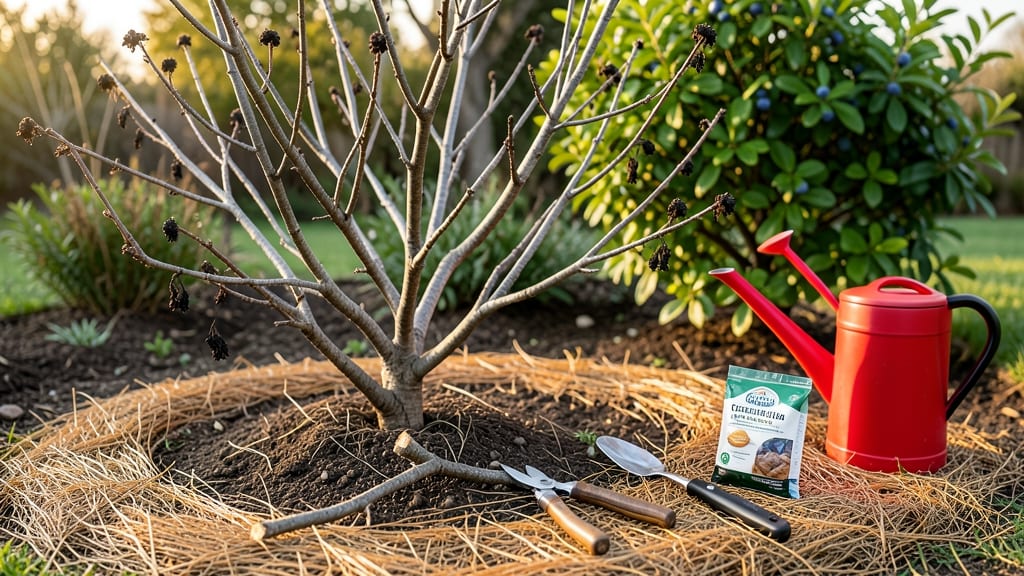
How to bring back a dead blueberry plant—it’s not dead, it’s just sleeping. 🌱 I've nursed back more "dead" blueberries than I care to admit, and the secret lies in understanding what really killed it (hint: it's usually water, not magic). Before you dig up the whole plant, check these three critical signs of life: new buds, green stems, or even a single leaf. If you see any of those, there's hope—and a simple plan to bring it back.
The most common culprits are overwatering (which chokes roots) or winter damage (where the top looks dead but the roots live). I once had a bush that looked like a dried-out twig—until I pruned the dead wood and adjusted the watering schedule.
The key is targeted pruning: cut back only the brown, brittle stems while leaving green or slightly woody growth. Then, water deeply but infrequently—blueberries hate soggy feet.
By the end of 4-6 weeks, you'll see new growth shooting up like it's racing to make up for lost time. The soil might need a boost too—add a layer of compost around the base and mulch to lock in moisture.
If the roots are truly rotten (smells funky, feels mushy), you might need to dig up and repot it—but that's rare for bushes that just look dead.
Fair warning: if the entire root ball is black and mushy, it's time to say goodbye. But in 80% of cases, these bushes bounce back with the right care. Here's how to diagnose and fix it before you give up.
Root Causes Behind Dying Blueberries
Blueberry bushes are tough little survivors, but even they can succumb to stress—often silently—until it’s too late. Understanding why your plant looks like a deflated balloon (or worse, a crispy husk) is the first step to revival.
Let’s break down the science behind the most common killers and what’s really going on in your soil and stems.
Blueberries thrive in acidic, well-draining soil, but too much love (in the form of water) can drown their roots. Here’s the science:
- Root Suffocation: Blueberry roots need oxygen. When soil stays soggy, anaerobic bacteria take over, producing toxic compounds like ethanol and hydrogen sulfide—basically, your plant is getting drunk and poisoned at the same time. 🍷💀
- Fungal Feasts: Waterlogged soil is a buffet for Phytophthora and Pythium, fungi that rot roots faster than a banana in a gym locker. Look for black, mushy roots—that’s your red flag.
- Nutrient Lockout: Excess water flushes away essential nutrients (like nitrogen and potassium) before roots can absorb them. Your plant starves while sitting in a swamp.
Pro Tip: Stick your finger in the soil—if the top 2 inches are damp, wait. If it’s bone-dry, water deeply but only until excess drains away. Raised beds or containers with drainage holes are your best friends here. 🏗️💦
Blueberries are not tropical or Arctic plants—they’re temperate zone Goldilocks. Push them too far in either direction, and they’ll throw a fit.
- Heat Stress (Over 90°F):
- Leaves curl and scorch because stomata (tiny pores) close to conserve water, but the plant can’t photosynthesize fast enough. Think of it like trying to breathe through a straw in a sauna. 🥵😵
- Root Burn: Soil temperatures above 95°F kill beneficial microbes and damage fine root hairs, which are critical for water/nutrient uptake.
- Cold Damage (Below 10°F):
- Cell walls rupture as ice crystals form in plant tissues (a process called freeze-thaw injury). This disrupts water flow, leading to wilting even when soil is moist. 🥶❄️
- Bud Death: Flower buds (which form the year before fruiting) can die back, meaning no berries next season—even if the plant looks alive.
Fix It: Mulch with wood chips or pine straw (2–4 inches) to regulate soil temps. In heatwaves, provide afternoon shade with a lightweight cloth (like shade cloth). For cold snaps, wrap young bushes in burlap or use frost blankets. 🌿🛡️
Blueberries are acid-lovers—they need a soil pH between 4.5 and 5.5. Stray too far from this range, and your plant can’t access critical nutrients, even if they’re in the soil.
- Too Alkaline (pH > 6.0):
- Iron, manganese, and phosphorus become locked up as insoluble compounds. Your plant turns yellow (chlorosis) because it can’t make chlorophyll, even though the roots are in nutrient-rich soil. 🟡🌱
- Toxic Buildup: High pH increases aluminum and calcium toxicity, which burns root tips and stunts growth.
- Too Acidic (pH < 4.0):
- Aluminum and manganese become soluble and toxic, damaging roots and leaves. You’ll see brown, crinkled leaves with necrotic spots.
- Microbe Mayhem: Extremely acidic soil discourages beneficial fungi (like mycorrhizae), which help roots absorb water.
Test It: Grab a DIY pH test kit (or send a soil sample to your local extension office). To lower pH, add sulfur or peat moss. To raise pH, mix in lime (but sparingly—blueberries hate it). 🧪🔄
Not all blueberry killers are environmental—some are tiny, hungry, or invisible until it’s too late.
| Culprit | How It Kills | Tell-Tale Signs |
|---|---|---|
| Blueberry Gall Midge (a fly larva) | Larvae burrow into stems, creating swollen galls that block water/nutrient flow. Infested stems die back or produce weak shoots. | Raspberry-like growths on stems; wilting branches with no leaf loss. |
| Root Rot Fungi (e.g., Armillaria) | Fungi consume living root tissue, replacing it with fungal threads (mycelium). The plant can’t uptake water, leading to sudden collapse. | Mushrooms at the base of the plant; black, stringy roots. |
| Verticillium or Fusarium Wilt (soil-borne fungi) | Fungi clog xylem vessels (the plant’s water pipes), causing vascular blockage. Leaves wilt even when soil is wet. | Yellowing leaves that crisp and die from the bottom up; stunted growth. |
Act Fast: Prune infested stems 6+ inches below the gall and sterilize tools with 70% alcohol. For root rot, remove and replace soil in affected areas. Prevent future attacks with copper fungicides (for wilt) or neem oil (for midges). 🚨🔪
Now that you know the why, the next step is the how. Stay tuned for actionable fixes—your blueberry bush isn’t dead yet! 💪🌿
Revive Your Blueberry Bush Step-by-Step
---
Don’t toss that wilted blueberry bush just yet! With the right care, you can coax it back to life—even if it looks hopeless. Below, we’ve mapped out practical fixes for common causes of decline, along with prevention tips to keep your plant thriving long-term. Let’s get your blueberry bush back on track!
---
If your soil feels soggy or the roots smell foul, root rot is likely the culprit. Too much moisture suffocates roots, cutting off oxygen and nutrients.
#### How to Fix It: 1. 🔥 Stop Watering Immediately - Let the soil dry out completely for 3–5 days before watering again. Overwatering is the fastest way to kill a recovery effort.
2. 🍳 Improve Drainage - Mix in coarse sand, perlite, or compost (20–30%) into the top 6–12 inches of soil to aerate it. - If planting in containers, ensure pots have drainage holes and use a well-draining potting mix.
3. 👨🍳 Trim Damaged Roots (If Severe) - Gently dig around the base (carefully!) and snip away any black, mushy roots with sterilized shears. - Replant in fresh, dry soil with a fungicide treatment (like copper fungicide) to prevent reinfection.
4. ⏰ Adjust Your Watering Habits - Water deeply but infrequently—blueberries prefer 1–1.5 inches per week, more in extreme heat. - Pro Tip: Use a moisture meter or the "finger test" (stick your finger 2 inches down—if dry, water; if damp, wait).
#### 💡 Prevention Tips: - Plant in slightly acidic, well-draining soil (pH 4.5–5.5). - Avoid planting in low-lying areas where water pools. - Use mulch (pine needles or straw) to regulate moisture without smothering roots.
---
Crispy leaves, dry soil, and wilting canines? Your blueberry bush is thirsty. Blueberries need consistent moisture, especially in their first few years.
#### How to Fix It: 1. 🥘 Deep Watering Sessions - Water slowly and deeply (10–15 minutes per session) to encourage roots to grow downward. - Do this 2–3 times per week in dry climates.
2. 🌡️ Check Soil Moisture Daily - In extreme heat, monitor soil moisture morning and evening. - Sign of distress? If leaves droop by noon, it’s time to water.
3. 🎯 Mulch Like a Pro - Apply 2–3 inches of organic mulch (wood chips, pine straw) to retain moisture and cool roots.
#### 💡 Prevention Tips: - Group blueberry bushes together to create a microclimate that retains humidity. - Install a drip irrigation system for consistent, low-stress watering. - Avoid overhead sprinklers, which can cause fungal diseases.
---
If your bush looks like a tangled mess with no berries, aggressive or lack of pruning might be the issue. Blueberries need light and airflow to produce fruit.
#### How to Fix It: 1. 🔪 Prune in Late Winter or Early Spring - Remove dead, crossing, or inward-growing branches first. - Cut back last year’s growth by ⅓ to encourage new, fruiting canes.
2. 🌿 Focus on the "Vase Shape" - Aim for a central leader with evenly spaced branches (like a small tree). - Pro Tip: Younger bushes (under 3 years) need less pruning—just remove deadwood.
3. ✨ Thin Out Overcrowded Canes - Keep 5–7 strong canes (older bushes can handle more). - Remove weak, spindly growth to redirect energy to healthy branches.
#### 💡 Prevention Tips: - Prune annually to maintain shape and airflow. - Use sterilized tools to prevent disease spread. - Avoid heavy pruning in summer or fall, as it stresses the plant.
---
Yellow leaves, powdery spots, or chewed foliage? Fungal infections or pests (like spider mites or aphids) can drain your plant’s energy.
#### How to Fix It: 1. 🧼 Clean Up Debris - Remove fallen leaves, mulch, and weeds around the base to reduce fungal spores.
2. 🛡️ Apply Organic Fungicides - Spray with neem oil, copper fungicide, or baking soda solution (1 tsp baking soda + 1 quart water + a drop of dish soap). - Reapply every 7–10 days until symptoms improve.
3. 🐜 Introduce Beneficial Insects - Release ladybugs or lacewings to combat aphids and mites. - Pro Tip: Blast pests off leaves with water in the early morning to avoid damaging the plant.
#### 💡 Prevention Tips: - Space plants 4–6 feet apart for better airflow. - Rotate pruning tools between plants to avoid disease spread. - Water at the base (not overhead) to keep foliage dry.
---
With these targeted fixes, your blueberry bush should show signs of recovery within 4–6 weeks. Stay patient—revival takes time, but the effort is worth it for those juicy berries! 🫐💙
Frequently asked questions
Can I save a blueberry plant that looks completely dead?
Not always—but check for green stems or buds near the base first! Many "dead" blueberries are actually dormant due to winter damage or underwatering. If you see any signs of life, prune back all dead wood and adjust watering immediately. If the entire plant is brown and brittle with no green, it may be beyond saving.
How do I know if my blueberry plant has root rot?
Root rot shows as black, mushy roots that smell foul (like rotten eggs). The soil around the base may stay soggy even after watering, and the plant will wilt despite moist soil. Dig carefully—if roots feel slimy and pull apart easily, that's your confirmation. Act fast by stopping watering and improving drainage!
What's the best time of year to prune a struggling blueberry bush?
Late winter or early spring (February-March) is ideal. This gives the plant time to recover before summer heat. If you're reviving a dying bush, you can prune lightly anytime—but avoid heavy cuts during summer or fall, as this stresses the plant. Always sterilize your pruners with rubbing alcohol first!
Will fertilizer help revive a dead-looking blueberry plant?
Only if the issue is nutrient deficiency! First check for yellow leaves (chlorosis)—this often means poor soil pH or lack of iron/manganese. Use an acid-loving plant fertilizer (like 10-10-10) only after fixing drainage issues. Too much fertilizer can actually harm stressed roots. Start with compost instead!
How long does it take to see results after reviving my blueberry bush?
With proper care, you should see new growth in 2-4 weeks—look for tiny green shoots at the base. Full recovery (including berry production) may take 6-12 months, depending on how severe the damage was. Patience is key—blueberries grow slowly but reward persistence with delicious fruit!