Fertilization
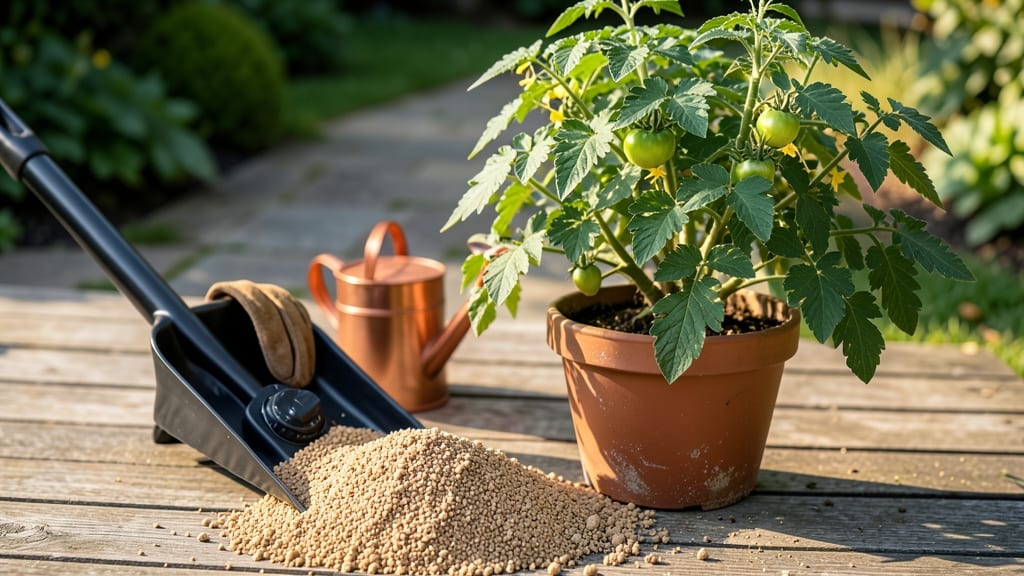
Adding fertilizer to your plants transforms them from struggling to shockingly lush within weeks. 🌱 I’ve learned the hard way that dumping random fertilizer on plants doesn’t work—it’s about matching the right nutrients to what your plants actually need at each growth stage.
The key is understanding when and how to feed them: before planting for root establishment, mid-season for flowering, and foliar sprays for quick fixes. For vegetables, a balanced 10-10-10 does the job, while houseplants thrive on diluted liquid fertilizer every 4-6 weeks.
Overdoing it burns roots faster than you can say "dead leaves."
You’ll see stronger stems, deeper green leaves, and more blooms or fruit than ever before. The secret isn’t in fancy products—it’s in consistent, thoughtful feeding that builds soil health over time. Even my black thumb plants now look like they belong in a catalog.
This method works for containers, garden beds, and houseplants alike—just adjust the amounts. Let’s get those roots growing strong and your plants thriving like never before.
📚 In This Guide
- What you need
- Instructions
- Tips and common mistakes
- Wrapping up and next steps
What you need
- ● Fertilizer: Granular fertilizer (e.g., 10-10-10 NPK ratio) – 1-2 cups per 10 sq ft of garden area
- ● Liquid fertilizer (e.g., fish emulsion or compost tea) – 1-2 tbsp per gallon of water
- ● Slow-release fertilizer (e.g., pellets or spikes) – Follow package instructions for dosage
- ● Gloves: A pair of nitrile or rubber gloves to protect your hands from chemicals or soil.
- ● Watering can or hose: For even distribution of liquid fertilizers.
- ● Measuring tools: Measuring cups or spoons (for granular/liquid fertilizers).
- ● Ruler or tape measure (to calculate garden area if using granular fertilizer).
- ● Garden trowel or small shovel: For evenly spreading granular fertilizer into the soil.
- ● Water: 1-2 gallons per plant (for rinsing roots if over-fertilizing or for liquid fertilizer dilution).
- ● pH testing kit: To check soil acidity/alkalinity before fertilizing (ideal range: 6.0–7.0 for most plants).
- ● Organic matter: Compost or worm castings (1 cup per plant) to boost soil health.
- ● Fertilizer spreader: For large garden areas (granular fertilizer only).
- ● Plant-specific fertilizer: Specialized formulas (e.g., for tomatoes, roses, or citrus).
- ● Timer or reminder app: To track fertilizing schedules (e.g., every 4–6 weeks).
Step-by-Step instructions for fertilizing plants like a pro
Here's the foolproof method I use to feed plants without overdoing it—whether you're a beginner or just want to refine your technique.
🌱 Step 1: Choose the Right Fertilizer for Your Plants' Needs
Start by matching your fertilizer to the plant type and growth stage. I always check the label for the NPK ratio (nitrogen, phosphorus, potassium)—leafy greens need more nitrogen, flowering plants benefit from balanced NPK, and fruiting plants thrive with higher phosphorus. For example, a 10-10-10 ratio works for most vegetables, while a 30-10-10 suits nitrogen-hungry leafy plants like lettuce.
Organic options like compost or fish emulsion release nutrients slowly, while synthetic fertilizers dissolve quickly. If your plants show yellowing leaves (a classic nitrogen deficiency), reach for a fertilizer with higher first-number NPK. For slow-growing plants, I opt for slow-release granules that feed roots over 3-6 months—no guesswork about timing.
💧 Step 2: Prepare the Soil Before Applying Fertilizer
Loosen the top 2-3 inches of soil around the plant's base with a fork or trowel. This helps roots absorb nutrients more efficiently. If the soil is compacted or waterlogged, mix in 1 inch of perlite or coarse sand to improve drainage—fertilizer won't work well if roots can't breathe.
For container plants, gently scratch the surface soil with a spoon to create small channels. This lets nutrients penetrate without disturbing delicate roots. Water the soil lightly until it's moist but not soggy—dry soil repels fertilizer, while overly wet soil causes leaching and burns roots.
☀️ Step 3: Apply Fertilizer According to Plant Type and Season
For granular fertilizers, sprinkle evenly over the soil surface within the plant's drip line (the area where water lands when you water). Use about ½ cup per 10 square feet for most plants, but halve that for delicate herbs or seedlings. Lightly scratch the granules into the top ¼ inch of soil with your fingers or a rake—this prevents them from washing away during watering.
Liquid fertilizers require dilution first. I mix according to package instructions (usually 1-2 tablespoons per gallon of water) and apply directly to the soil, avoiding leaves. Water the soil thoroughly after application to help nutrients reach the roots. Early spring and late summer are ideal times—avoid fertilizing during extreme heat or drought, as plants can't absorb nutrients efficiently.
✂️ Step 4: Monitor Plant Response and Adjust as Needed
Watch for signs of over- or under-fertilization. Dark green leaves with rapid growth signal nitrogen overload, while crispy edges or leaf burn mean too much salt from synthetic fertilizers. If you see these, flush the soil with 2-3 times the pot's water volume to leach out excess nutrients. Under-fertilized plants show pale leaves, stunted growth, or sparse blooms—time to boost the feed.
I keep a simple log of when and how I fertilize. For example, tomatoes get a balanced feed every 2 weeks once fruiting begins, while roses respond well to a high-phosphorus feed in early spring. Adjust based on what you observe—plants tell you exactly what they need if you pay attention.
Tips & tricks for perfect plant fertilizing
Took me years of trial-and-error gardening to perfect these soil-boosting secrets—here's how to avoid the most common mistakes and get the most out of every feed.
NPK Ratio Decoded: The numbers on fertilizer labels (like 10-10-10) aren't random—they're your plant's nutritional blueprint. For leafy greens, focus on the first number (nitrogen) for vibrant foliage, while flowering plants need balanced ratios (like 10-10-10) to produce blooms. I keep a small chart by my gardening tools to match plant types with their ideal NPK ratios—it saves me from guessing games every season.
Soil Prep Secret: Before applying any fertilizer, test your soil's moisture by squeezing a handful—it should crumble slightly but not fall apart. In Step 2, when you're loosening that top 2-3 inches, pay special attention to the soil's texture. Sandy soils need more frequent, lighter feeds, while clay soils hold nutrients longer and can handle less frequent but heavier applications. For containers, I use a small hand fork to create those channels without disturbing roots too much.
Seasonal Timing Matters: The instructions mention early spring and late summer as ideal times, but I've learned to be even more precise. For cool-season crops like lettuce and spinach, I start fertilizing in early spring when soil temperatures reach 50°F. For warm-season plants like tomatoes and peppers, I wait until soil is consistently above 60°F before applying any nitrogen-heavy feeds. This prevents nutrient burn in sensitive root systems.
Monitoring Made Easy: Keep a small notebook by your garden bench and jot down when you fertilize along with what you observe. I record things like leaf color changes, new growth patterns, and bloom production. For example, when my tomatoes show new flower clusters, I know it's time to switch to a phosphorus-rich feed (like 5-10-5) to support fruit development. This simple tracking system has helped me adjust my feeding schedule more precisely than ever before.
Pro Tips for Add Fertilizer To Plants
- Took me years of trial-and-error gardening to perfect these soil-boosting secrets—here's how to avoid the most common mistakes and get the most out of every feed.
- NPK Ratio Decoded: The numbers on fertilizer labels (like 10-10-10) aren't random—they're your plant's nutritional blueprint.
- Soil Prep Secret: Before applying any fertilizer, test your soil's moisture by squeezing a handful—it should crumble slightly but not fall apart.
Frequently asked questions
Got questions about fertilizing your plants? You’re not alone! Here are some of the most common concerns—and straightforward answers—to help you grow like a pro.
How often should I fertilize my plants?
Most plants thrive with fertilizer every 4–6 weeks during the growing season (spring to fall). For slow-release options, follow the label’s schedule—usually every 2–3 months. Over-fertilizing can burn roots, so always err on the side of less! Pro tip: Reduce feeding in winter unless you’re growing indoors.
What’s the best time of day to add fertilizer?
Apply fertilizer in the early morning when temperatures are cool and humidity is high. This gives roots time to absorb nutrients before the heat of the day. Avoid fertilizing in the late afternoon or evening, as it can stress plants or attract pests.
Can I use coffee grounds or eggshells instead of store-bought fertilizer?
Coffee grounds add nitrogen (great for leafy greens), while crushed eggshells provide calcium. However, they’re not a complete fertilizer—pair them with a balanced option for best results. For example, mix coffee grounds into soil, then top with a slow-release granular fertilizer. Bonus: Compost these scraps first to avoid pH imbalances.
What do I do if my plant’s leaves turn brown after fertilizing?
Brown, crispy leaves = fertilizer burn! Flush the soil with water to dilute excess salts, then reduce or stop fertilizing for 2–4 weeks. Switch to a milder formula (like fish emulsion) and monitor moisture—overwatering can worsen the issue. Prevent it: Always water plants first before applying fertilizer.
How do I know if my plant needs fertilizer?
Watch for these signs: yellowing leaves (nitrogen deficiency), stunted growth, or fewer flowers/fruit. A simple soil test (available at garden centers) can confirm nutrient levels. Healthy soil often needs less fertilizer—focus on organic matter (like compost) first! Quick test: Gently tug on leaves; if they pull away easily, your plant’s thriving!
Wrapping up and next steps
Adding fertilizer to your plants is a simple yet powerful way to unlock their full potential—whether you're a seasoned gardener or just starting out! 🌱 By choosing the right fertilizer, applying it correctly, and monitoring your plants' response, you’ll be well on your way to vibrant, thriving greenery.
Remember, consistency is key, so don’t be afraid to experiment and adjust as you go.
Ready to see those leaves really shine? Start by keeping a fertilization journal to track what works best for your plants. Next time you’re out shopping, grab a soil test kit to fine-tune your approach—your garden will thank you!